
Last updated November 16, 2026
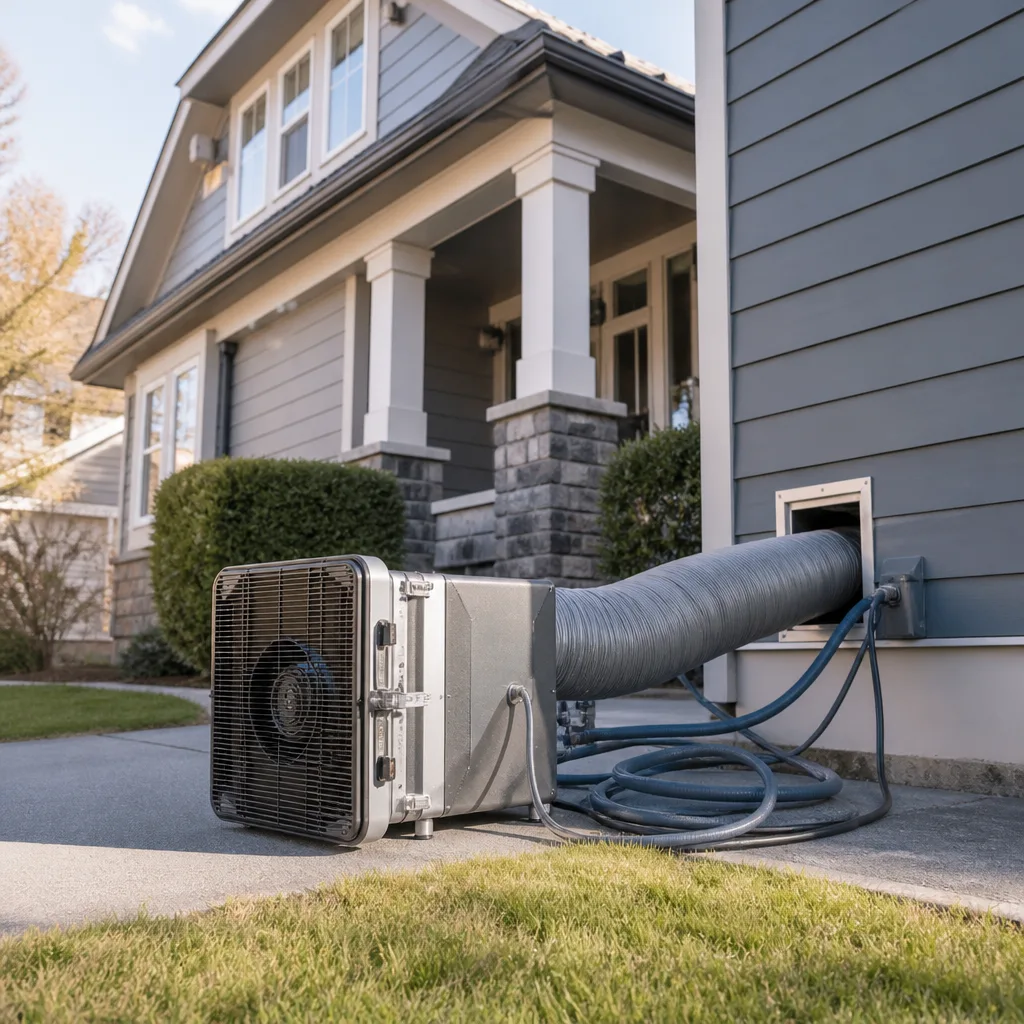 Whole-home duct cleaning
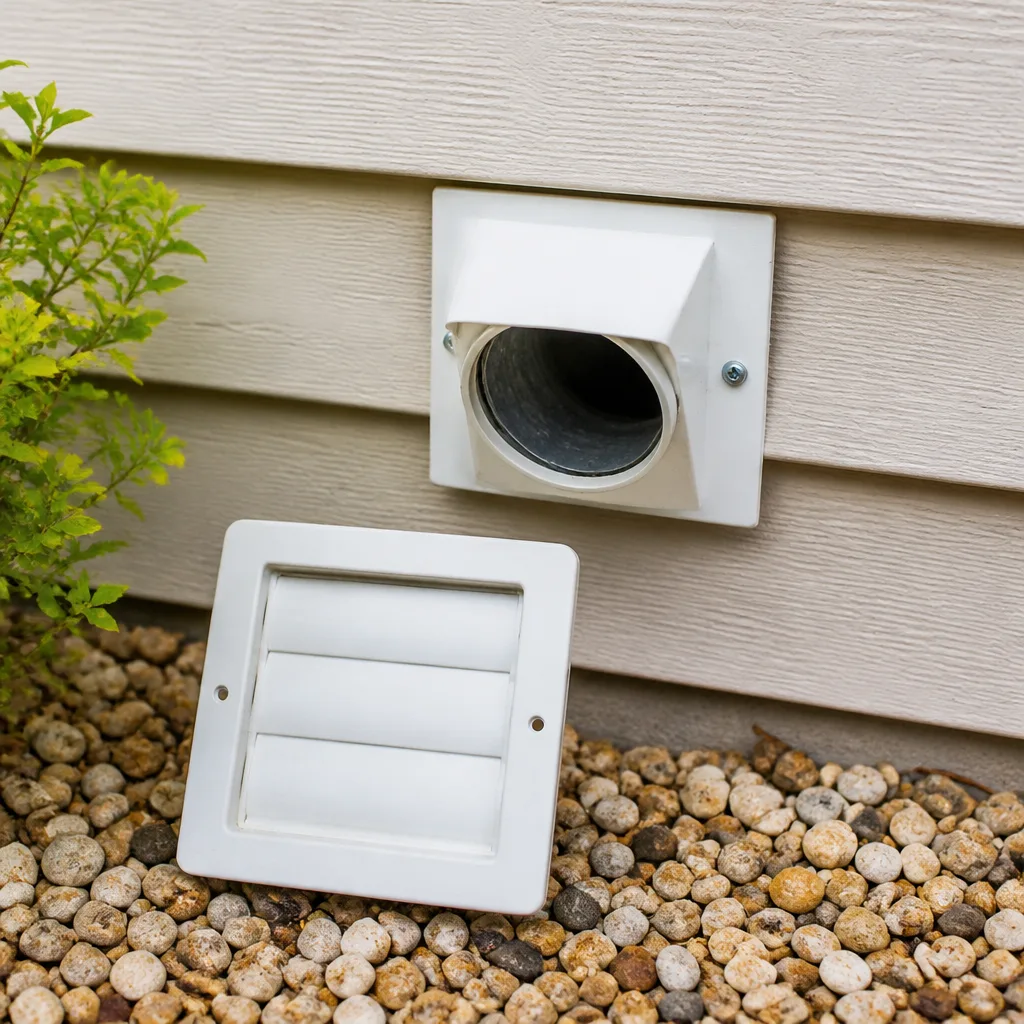 Dryer vent cleaning
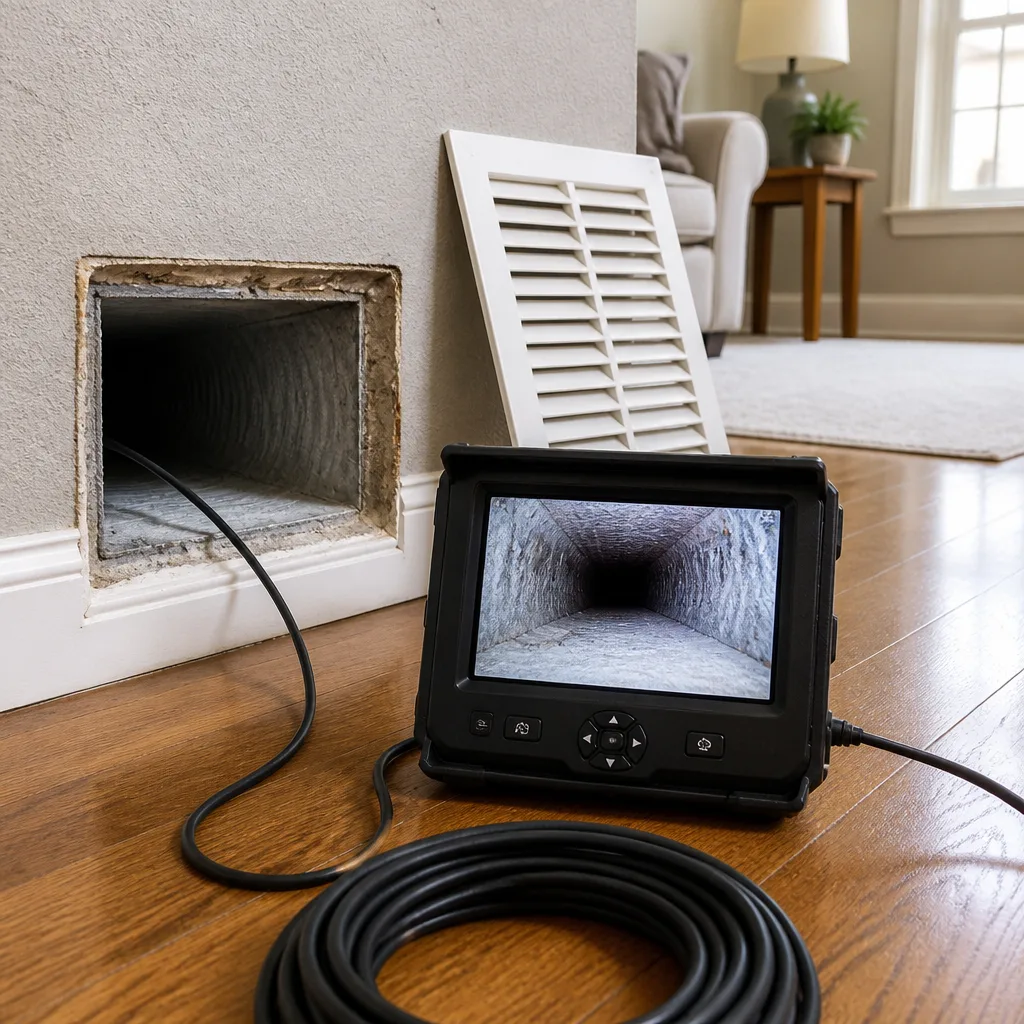 Camera inspection
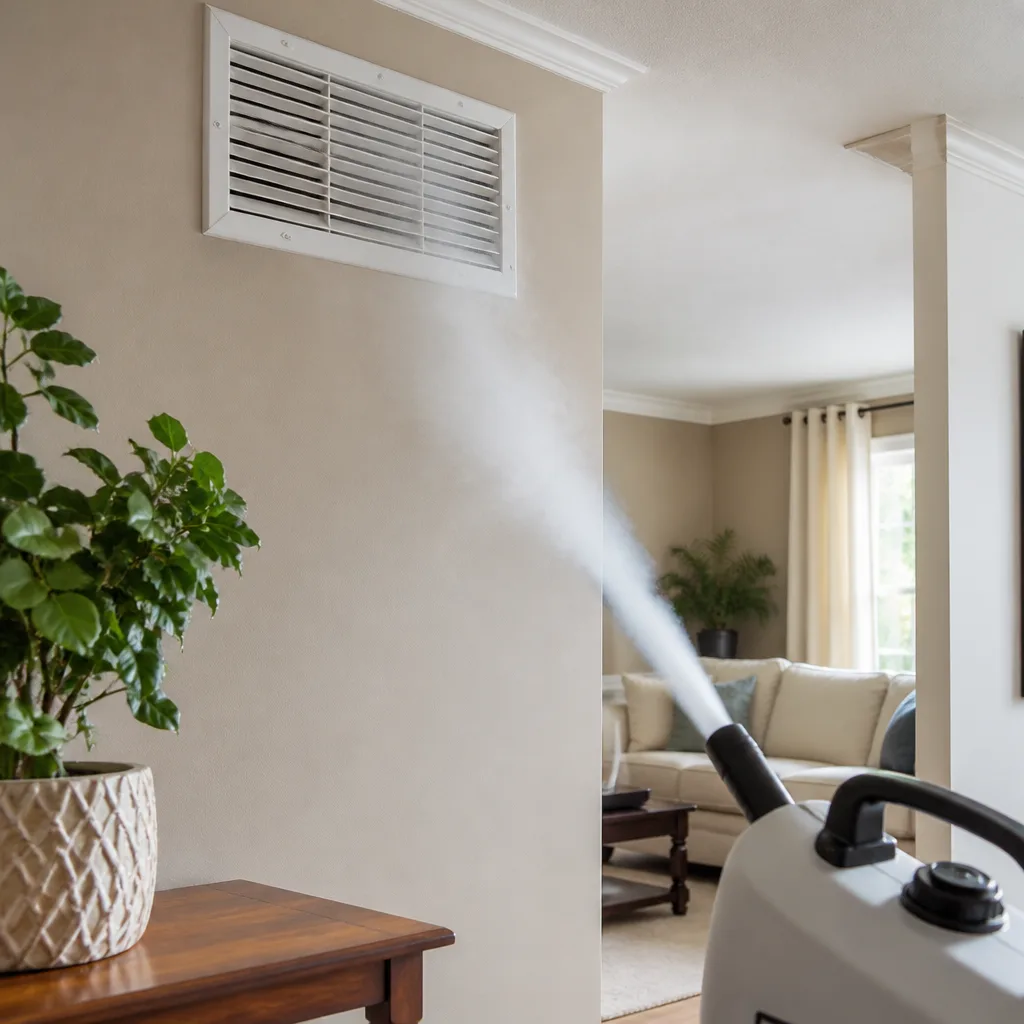 Sanitizing & deodorizing
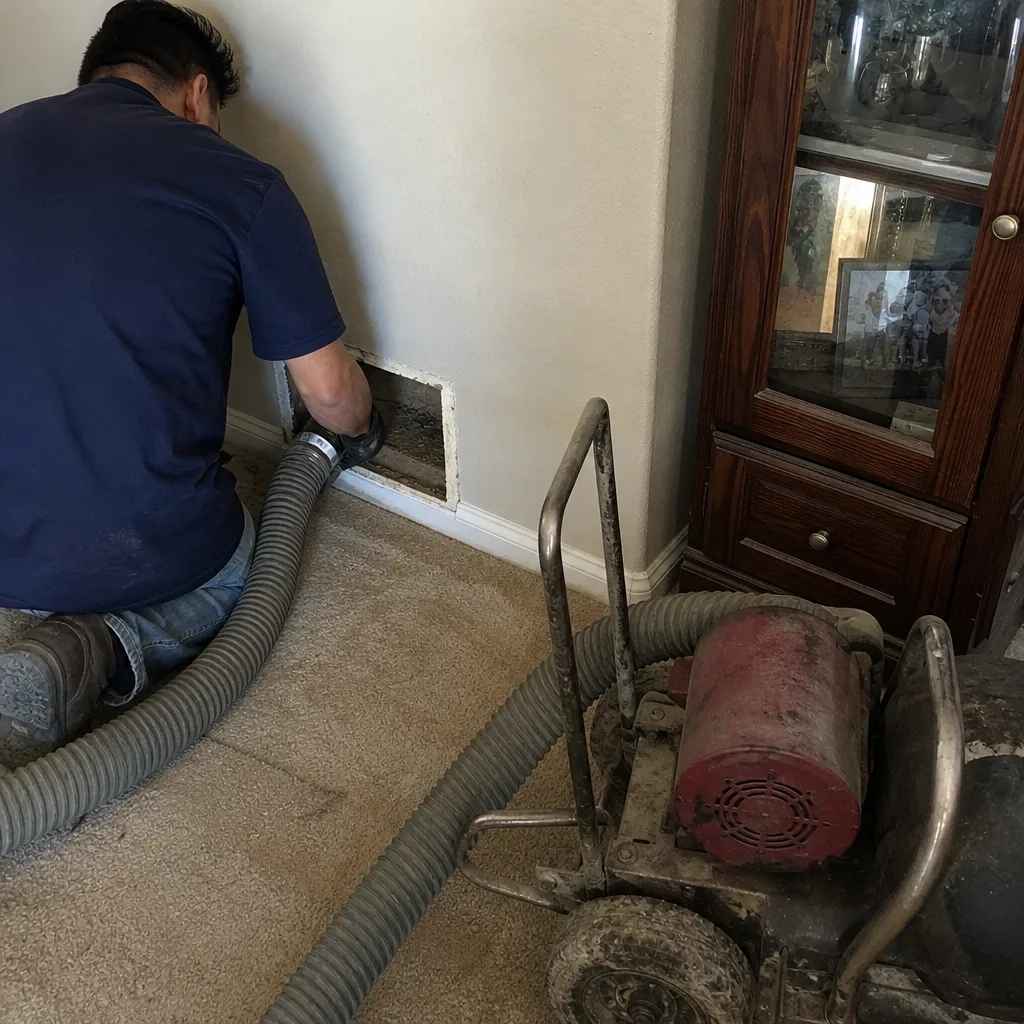
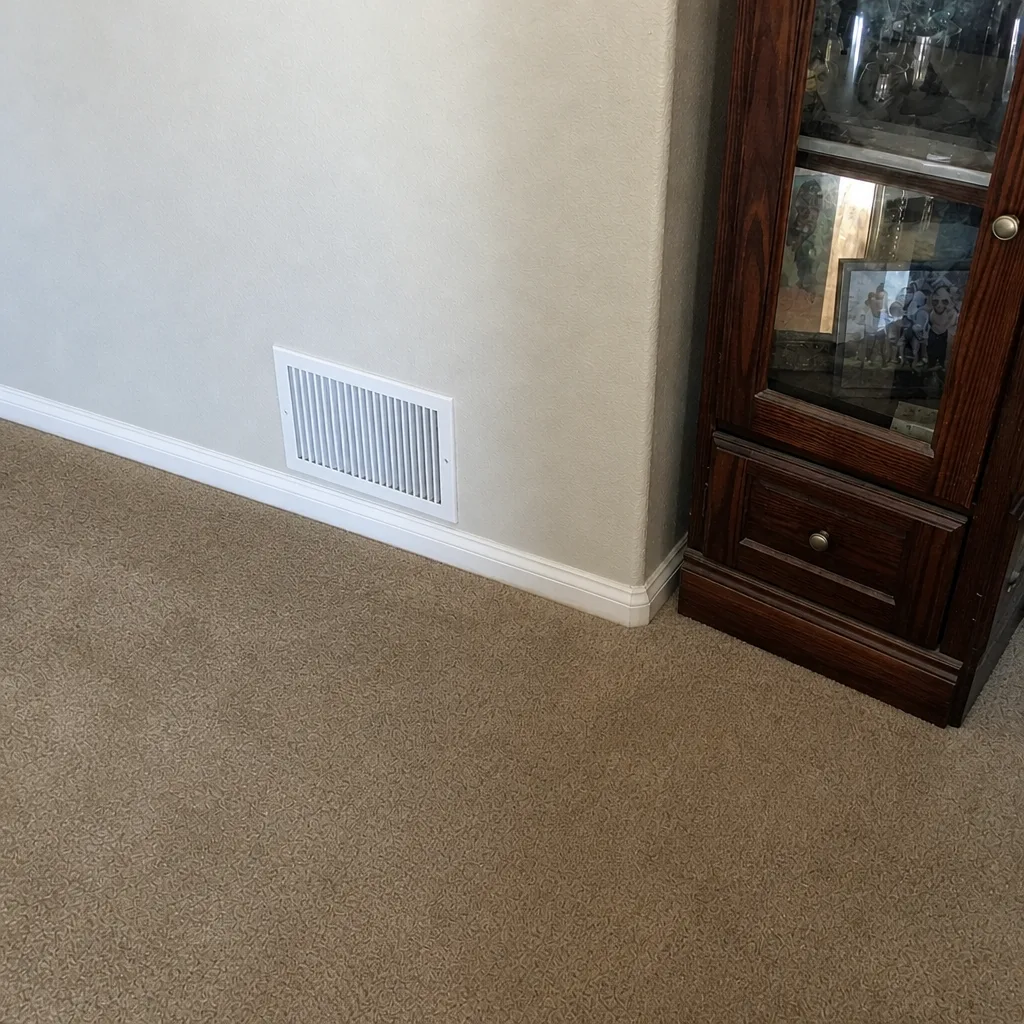
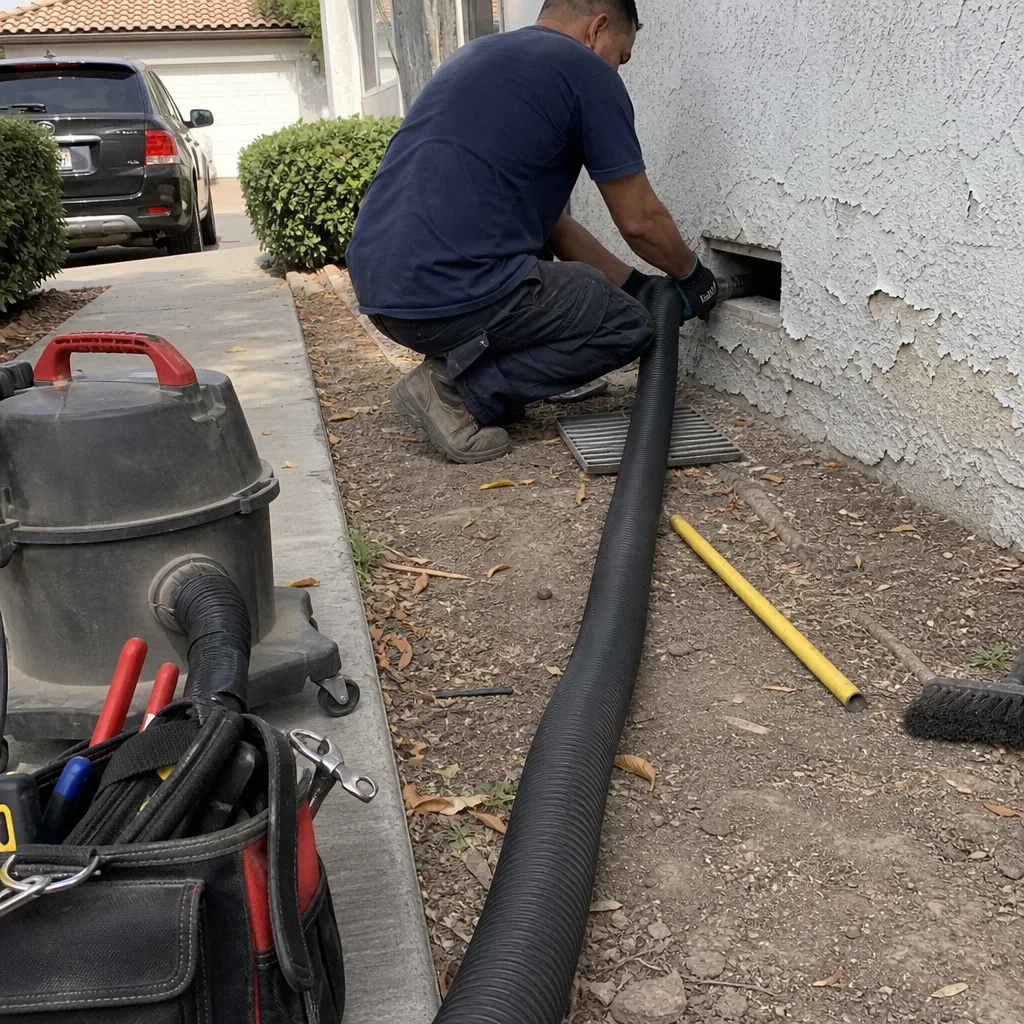
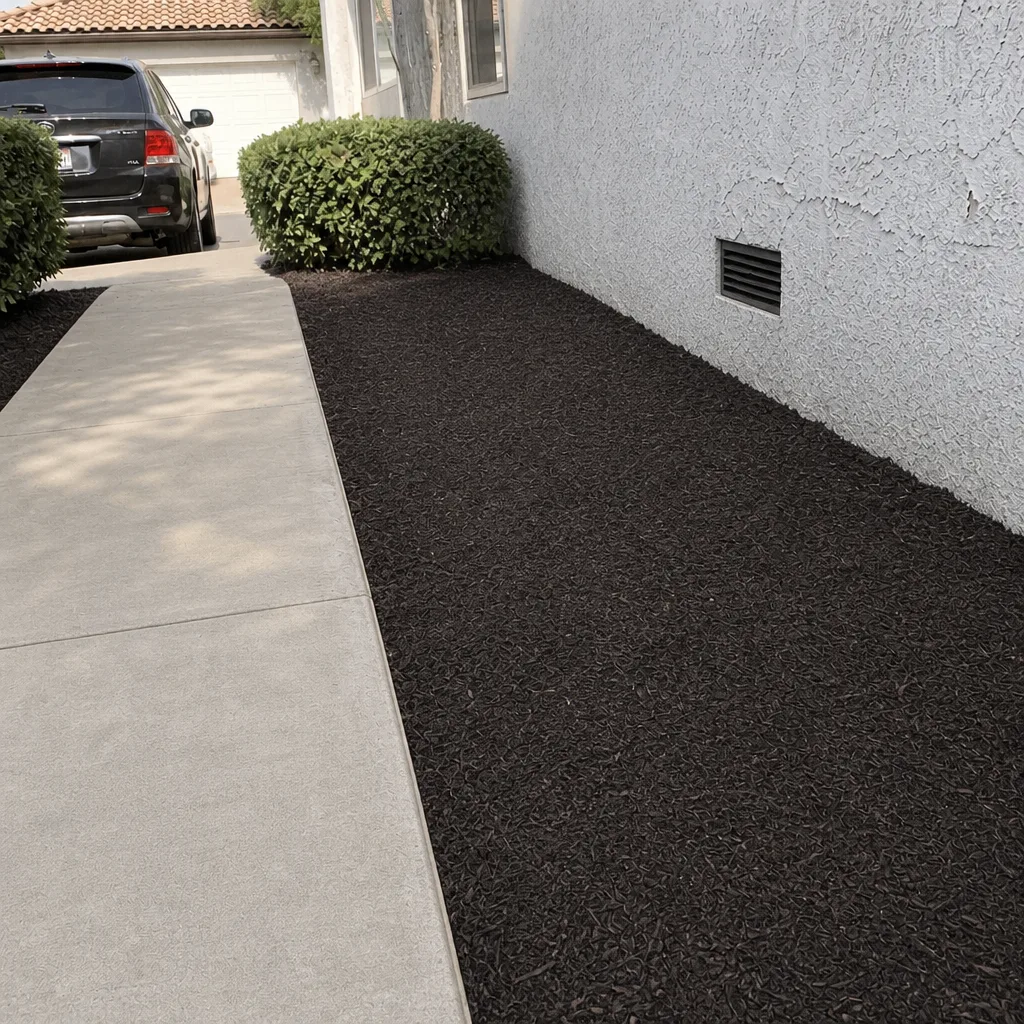
Whole-system duct and dryer vent check with before-and-after photos - you see exactly what came out of your vents
That "$99 whole-house special" is a bait ad - the real number appears once they are in your hallway, or the "clean" is a shop-vac at the register. We photograph the inside of your ducts before and after instead.
Air Duct Cleaning Permits, Codes & Inspections in Bakersfield, CA: What You Need to Know
Here’s the part almost nobody tells you: cleaning the inside of your ducts usually needs no permit at all. Cutting into them, replacing a run, sealing joints with mastic, or moving a register does. That line between “cleaning” and “modifying” is where homeowners get into trouble in Bakersfield, because California treats duct work as part of the mechanical system, not housekeeping. This guide explains where the permit threshold actually sits, what Title 24 energy rules mean for duct sealing, when a HERS inspection gets triggered, and what paperwork you should keep after any duct job.
Quick Answer
A standard air duct cleaning in Bakersfield generally requires no permit. Duct repair, replacement, sealing, or any change to the system’s layout or components is mechanical work under the California Mechanical Code and typically does require a permit from the City of Bakersfield’s building department, plus Title 24 energy compliance. Ask for the permit number and inspection record before you pay.
Styles & brands we work with
- Whole-home duct cleaning
- Dryer vent cleaning
- Camera inspection
- Sanitizing & deodorizing
Table of Contents
- Where cleaning ends and permitted repair begins
- What California’s mechanical code says about duct work
- How Kern County and Bakersfield handle duct permits locally
- Title 24, duct sealing, and when a HERS rater gets involved
- Why repair work points to a C-20 license, and how to check it
- What actually gets inspected, and what doesn’t
- The paperwork to request and keep
- A step-by-step look at a compliant duct job
Where Cleaning Ends and Permitted Repair Begins
The cleanest way to think about it: if the duct system comes out of the job exactly the way it went in, just cleaner, you’re in maintenance territory. If any part of the system is added, removed, altered, or replaced, you’ve crossed into mechanical work.
Cleaning, in practical terms, means removing debris from the interior of the ductwork, the registers, the grilles, and the air handler cabinet without changing the system. Nobody at the city wants a permit application for that, and no permit exists for it.
Repair is different. The following generally fall on the permit side of the line in California:
- Replacing a section of rigid duct or flexible duct run
- Sealing joints and seams with mastic or approved tape as a system-wide retrofit
- Adding, removing, or relocating a supply or return register
- Changing duct size to correct static pressure or airflow
- Reconnecting or rerouting ductwork around a remodeled room
- Replacing or modifying the plenum connection at the air handler
There’s a gray zone that trips people up in Bakersfield’s older neighborhoods, where homes often have original ductwork that’s been patched over the years. A technician finds a crushed flex run under the house and swaps it out. Is that a repair? Yes. Does it need a permit? Under the mechanical code, typically yes, because the system’s components changed. Plenty of companies skip that step. You don’t want to be the one explaining it later.
What’s a duct system actually made of? If you want the background on the components themselves before diving into code, our guide to air duct cleaning covers the anatomy of a residential system and what a full cleaning involves.
What California’s Mechanical Code Says About Duct Work
California’s duct requirements come from two places at once. The California Mechanical Code governs how duct systems are built, connected, supported, and sealed. Title 24, the state’s energy code, governs how much leakage a duct system is allowed and how that leakage gets verified. They overlap, and duct work has to satisfy both.
The mechanical code treats ducts as part of the mechanical system. That means installation, alteration, and replacement of ductwork are regulated activities. Duct systems must be supported properly, connected with approved methods, and sealed at joints and seams. When a contractor replaces a section, those requirements apply to the new work.
What this means for you in practice:
- Cleaning alone doesn’t trigger a code review. No system components change, so there’s nothing to inspect.
- Replacement does. New duct material, new connections, and new sealing all fall under the code.
- Sealing is the sneaky one. A whole-system mastic or tape sealing job is an energy retrofit and falls under Title 24’s rules on duct leakage, not just the mechanical code.
One more point worth knowing: the code doesn’t care who swung the hammer. It cares whether the work was done correctly and permitted. If a previous owner had ductwork replaced without a permit, that’s a seller’s disclosure problem when the house changes hands. The liability lands on whoever owns the house when the question comes up.
How Bakersfield and Kern County Handle Duct Permits Locally
Bakersfield sits inside Kern County, and both jurisdictions issue building permits depending on where the property is. Addresses inside the city limits go through the City of Bakersfield’s building department. Properties in unincorporated Kern County go through the county. If you’re not certain which one applies to you, a quick call to either department with your address settles it.
Local amendments to the California codes matter here. Kern County and the City of Bakersfield each adopt the state codes with their own amendments and administrative rules layered on top. Those amendments tend to cover things like submittal requirements, who can pull a permit, and what documentation a contractor has to provide. They change on the state’s code cycle, so the version in force this year may not match what a contractor remembers from three years ago.
Why does this matter specifically in Bakersfield? Because of the housing stock and the climate. A large share of Bakersfield homes were built during the region’s mid-century growth spurts, and many still have original or partially replaced duct systems. Add the valley’s long cooling season and the dust that comes with it, and duct systems here take a beating. That means repair work comes up more often than in milder climates, which means the permit question comes up more often too.
For anyone buying or selling a home in neighborhoods like Sunset, Stockdale, or the older streets near downtown, a duct repair record is worth having in the file. It’s a small piece of paper that answers a big question later.
Title 24, Duct Sealing, and HERS Verification
Title 24 is California’s energy code, and it treats duct leakage as a measurable performance issue. When duct work is part of a permitted alteration or a system replacement, the code sets a limit on how much air the duct system is allowed to leak. That limit gets verified by testing, not by eye.
This is where HERS raters come in. HERS stands for Home Energy Rating System. A HERS rater is a third-party inspector, certified through the California Energy Commission’s registry, who verifies that certain energy measures were installed correctly. Duct sealing and duct leakage testing are among the measures that can require HERS verification depending on how the project is permitted and what compliance path was chosen.
The practical sequence looks like this:
- The contractor pulls a mechanical permit for the duct repair or replacement.
- The permit application identifies the Title 24 compliance approach, including whether duct leakage testing applies.
- The contractor completes the work and seals the system to the required standard.
- A HERS rater performs the duct leakage test and files the verification.
- The building department inspects and signs off.
Not every duct repair triggers a HERS test. Minor repairs may not. Larger alterations, system replacements, and anything filed as an energy compliance measure usually will. The answer depends on how the permit was written, which is exactly why you want a contractor who writes it correctly the first time.
If you’re also thinking about the exhaust side of your home’s air system, our page on dryer vent cleaning explains why that vent is treated as a fire-safety concern rather than a maintenance item.
Why Duct Repair Points to a C-20 License, and How to Verify It
California’s Contractors State License Board issues licenses by classification. Cleaning is generally treated as maintenance work. Repairing, altering, or replacing ductwork is mechanical work, and mechanical work belongs to a licensed contractor. The relevant classification for HVAC and duct work is C-20, Warm-Air Heating, Ventilating and Air-Conditioning.
Here’s the practical problem. A company that offers duct cleaning and also offers duct repair is doing two different kinds of work, and only one of them clearly requires a contractor license. The company that can legally do both holds the right license. The company that holds only a cleaning-oriented registration but quietly replaces flex runs is operating outside its lane.
Verifying a license takes about two minutes:
- Go to the Contractors State License Board website and open the license lookup.
- Search by the business name or the license number the company gives you.
- Confirm the license is active, the classification matches the work, and the business name matches what’s on the estimate.
- Check that the license covers the classification the job requires, not just any active license.
If a company can’t produce a license number for repair work, that’s your answer. Our technicians have up to 14 years of experience with full-system work, and we’re equipped to clean, treat, and repair rather than clean and walk away. When a company only cleans, it has no way to fix what it finds.
What Actually Gets Inspected, and What Doesn’t
Nobody inspects a routine duct cleaning. There’s no permit, no inspection, and no third-party verification. The accountability comes entirely from the company you hired, which is why the documentation conversation matters.
What does get inspected is permitted duct work. A mechanical permit for duct repair or replacement typically leads to an inspection of the installed work: connections, support, sealing, and compliance with the approved plans. If a HERS measure was filed, the rater’s verification is part of the record too.
What the inspection does not do is verify that your ducts are actually clean. Inspection is about code compliance, not cleanliness. Those are separate questions, and only one of them has a paper trail by default.
That gap is why we use professional-grade Rotobrush and Nikro equipment and deploy Abatement Technologies air filtration during cleaning. Containment-level particulate control is standard practice in commercial and industrial air quality work, and we bring the same approach into homes. It also means we can show you before-and-after photos of your own ductwork, which is the closest thing to an inspection that a cleaning job gets.
The Paperwork to Request and Keep
After any duct work that touches system components, you should walk away with a file. Not a business card and a verbal promise. Actual documents.
- The permit number and final inspection sign-off, if a permit was pulled. Keep both.
- The HERS verification certificate, if duct leakage testing was required.
- The contractor’s license number on the estimate and invoice.
- A written scope of work describing exactly what was cleaned, sealed, repaired, or replaced.
- Before-and-after photos of the duct interior and any repaired sections.
- Material documentation for sealants, tape, or replacement duct, so a future contractor knows what’s in the system.
- The written estimate showing the agreed price, since that’s the number that should match the invoice.
Keep this with your home records. It answers questions at resale, it satisfies an insurer if a claim ever involves the HVAC system, and it gives the next technician a starting point instead of a mystery.
A Step-by-Step Look at a Compliant Duct Job
Here’s how the sequence should go when a job involves anything beyond cleaning. If your contractor’s process skips a step, ask why.
- Inspection and camera assessment. The technician looks inside the system and identifies what’s actually there: debris, disconnected sections, crushed runs, pest intrusion, or deteriorated sealant.
- Scope separation. Cleaning items and repair items get listed separately, so you can see exactly which work crosses into permit territory.
- Permit determination. If repair or replacement is on the list, the contractor confirms whether the City of Bakersfield or Kern County issues the permit for your address and files it.
- Written estimate. One flat price for the system, agreed before any work starts. No per-vent pricing, no surprise additions mid-job.
- Cleaning with containment. The system gets cleaned using professional-grade equipment with air filtration running to keep particulate out of your living space.
- Repair and sealing. Breaches get corrected and joints get sealed to the standard the permit requires.
- Treatment. Where the scope calls for it, Guardsman-level protective treatments get applied as part of the full-service job.
- Verification and documentation. Duct leakage testing if required, inspection sign-off, photos, and a paperwork package for your file.
For more on how we handle the cleaning side in Bakersfield, the main Bakersfield page lays out what a full-system visit looks like.
Common Mistakes to Avoid
- Assuming all duct work is permit-free. Cleaning usually is. Repair, replacement, and sealing usually aren’t. Ask which category your job falls into before work starts, not after.
- Letting a cleaning company quietly swap a duct run. If a flex section gets replaced during a cleaning visit without a permit or a license check, the paperwork problem becomes yours at resale.
- Skipping the license lookup. It takes two minutes on the Contractors State License Board site. A company doing mechanical work without the right classification is a risk you don’t need to take.
- Not asking whether HERS testing applies. Duct sealing without verification may fail the permit process later. Find out before the work is finished, not during a final inspection.
- Accepting a verbal scope. In Bakersfield’s older neighborhoods, duct systems often have layers of past repairs. A written scope protects you if the job turns out bigger than expected.
- Throwing away the paperwork. Permit sign-offs, HERS certificates, and photos belong with your home records. They’re worth more than the space they take up.
- Assuming no permit means no accountability. Cleaning is unpermitted by design, which means before-and-after photos and a written scope are your only proof the work happened. Ask for both.
See the difference
 Before
 After
 Before
 After
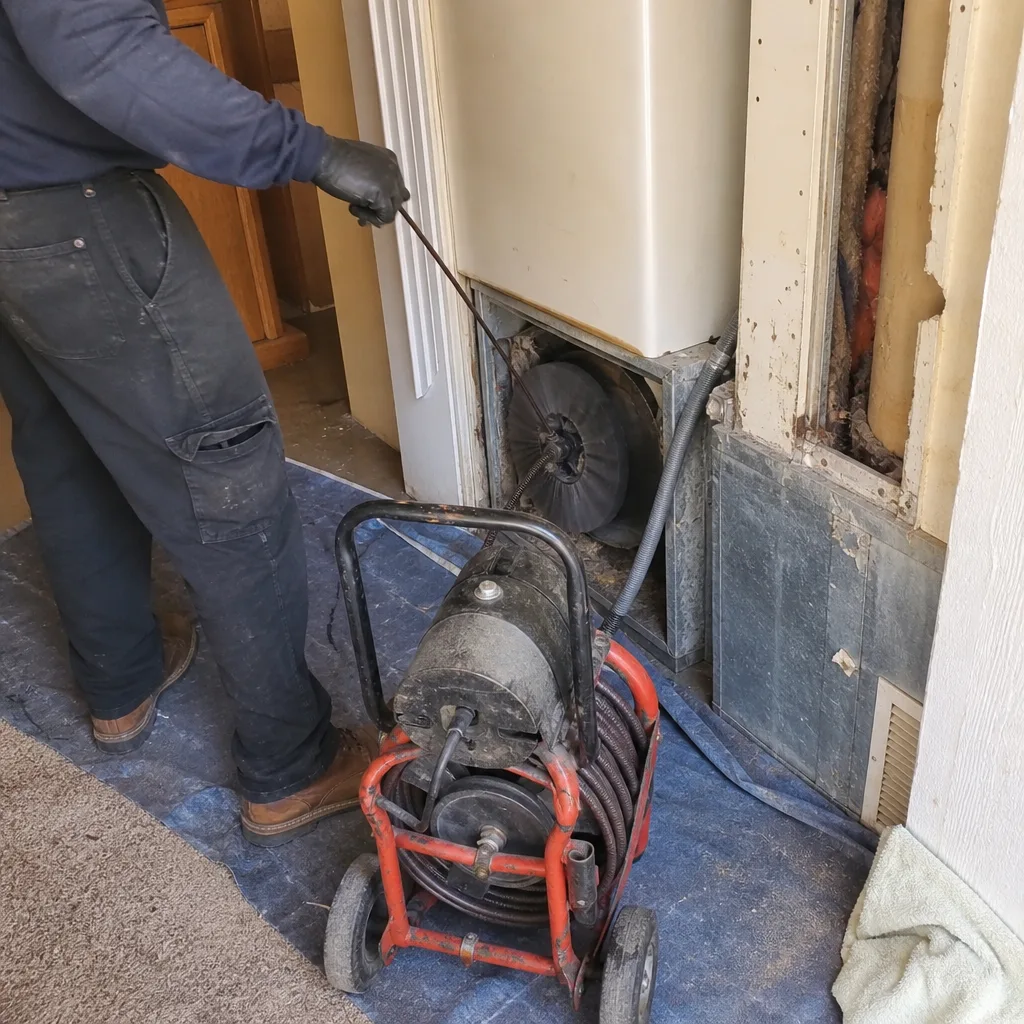 Before
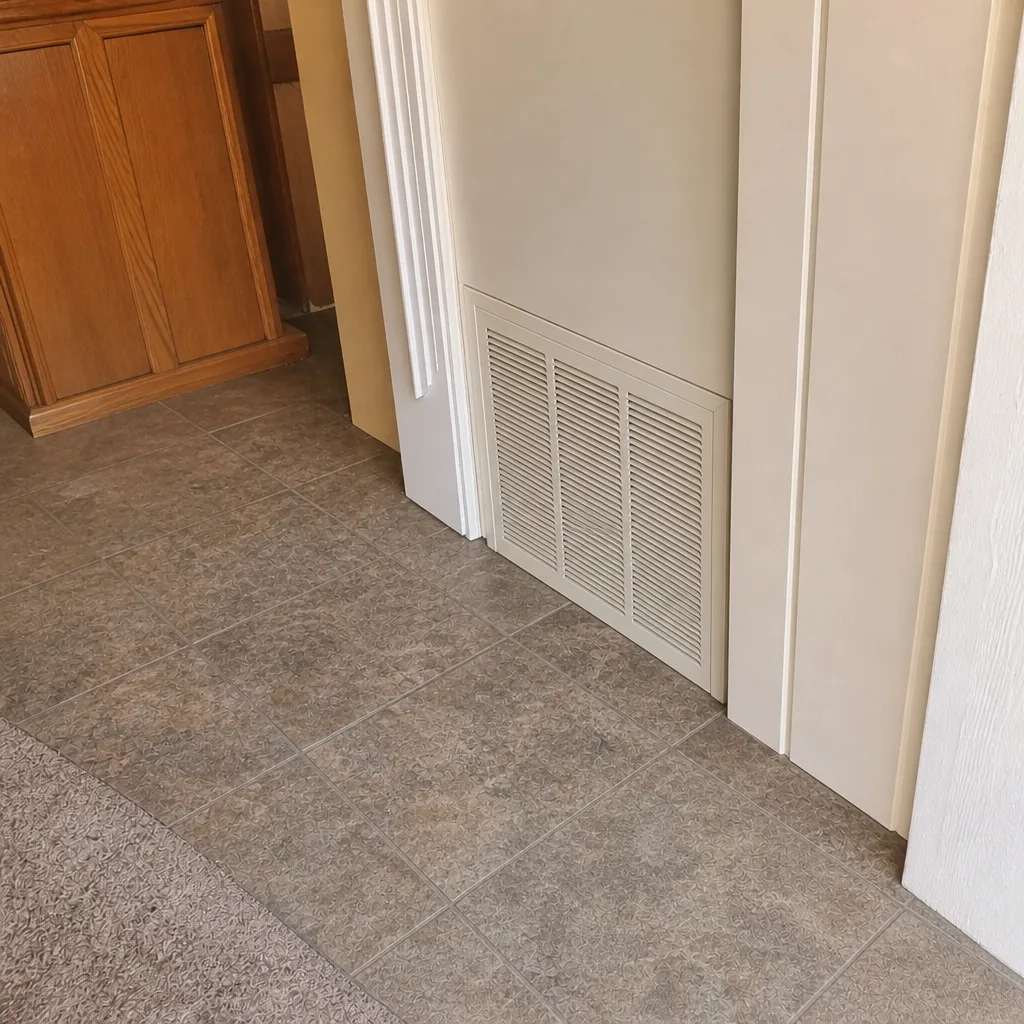 After
When to Call a Professional
Call a professional if you notice uneven airflow between rooms, visible dust puffing from registers when the system starts, a musty smell that returns after cleaning, or a duct run you can see has come apart in the attic or crawlspace. Call before a remodel moves any ductwork, and call before listing a home if you know duct repairs were done at some point. Those are the moments when a permit question becomes a real estate question.
None of this is work to take on yourself. Duct systems run through attics and crawlspaces, connect to electrical components at the air handler, and involve sealing standards that have to hold up to inspection. Morningstar Air Duct Cleaning offers free estimates in Bakersfield. Call (866) 942-8025. We answer 24/7. Fast dispatch from 7am to 7pm, Sunday through Friday.
Frequently Asked Questions
No. Routine air duct cleaning in Bakersfield does not require a permit, because no components of the system are altered. A permit typically becomes necessary once the work involves repairing, replacing, sealing, or modifying ductwork, which is treated as mechanical work under California code.
Duct work crosses into permit territory when a component is added, removed, replaced, or altered. Replacing a flex run, relocating a register, changing duct size, or sealing the system as an energy retrofit are the common triggers. Cleaning the interior of an unchanged system is not.
Possibly. Duct sealing often triggers HERS verification depending on how the permit was filed and which Title 24 compliance path applies. A HERS rater performs the duct leakage test and files the verification with the state. Ask your contractor at the estimate stage whether your specific job requires it.
For cleaning, a contractor license is generally not required. For repair, replacement, or alteration of ductwork, the company should hold a C-20 Warm-Air Heating, Ventilating and Air-Conditioning license from the Contractors State License Board. Verify it by license number on the CSLB website before hiring.
Cost depends entirely on what’s wrong and how much access the repair requires, so any honest answer comes from an on-site estimate rather than a phone quote. We price per job, with one flat price agreed before work starts. Call (866) 942-8025 for a free estimate.
Keep the permit number and inspection sign-off if a permit was pulled, any HERS verification certificate, the contractor’s license number, a written scope of work, and before-and-after photos of your own ductwork. Store them with your home records so they’re available at resale or for a future contractor.
The Bottom Line
Cleaning your ducts is maintenance. Changing them is construction, and construction comes with rules. In Bakersfield, that means the California Mechanical Code for how duct work is installed, Title 24 for how much it’s allowed to leak, and a permit from either the city or Kern County depending on your address. Ask three questions before you hire: does this job involve repair or replacement, do you hold a C-20 license, and will you pull the permit. A company that can answer all three clearly is a company that will hand you paperwork at the end. Ours will.
Ready to find out what your system actually needs? Call (866) 942-8025 for a free estimate. We answer 24/7. Fast dispatch from 7am to 7pm, Sunday through Friday. You can also start with Morningstar Air Duct Cleaning to see how we handle the full scope: cleaning, treatment, and repair under one roof.
Written by the team at Morningstar Air Duct Cleaning.