
Last updated November 16, 2026
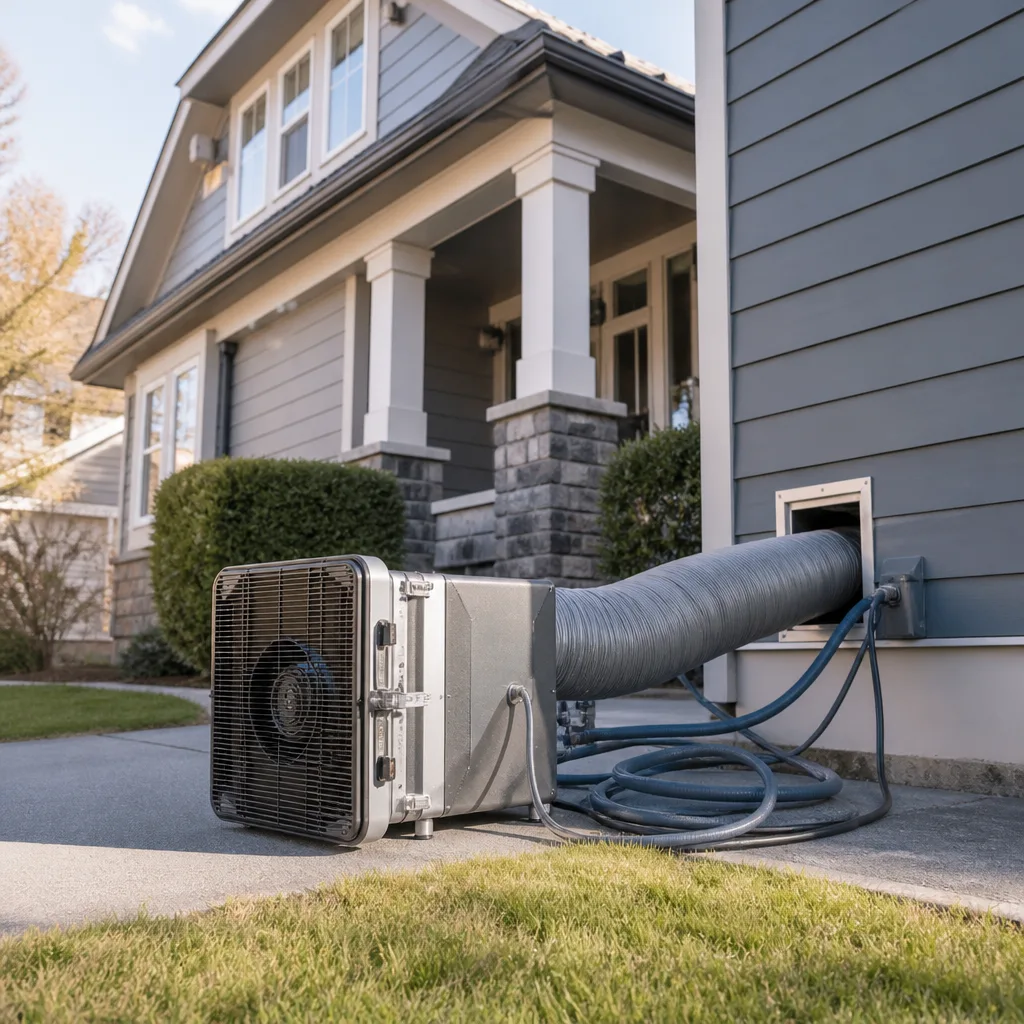 Whole-home duct cleaning
 Dryer vent cleaning
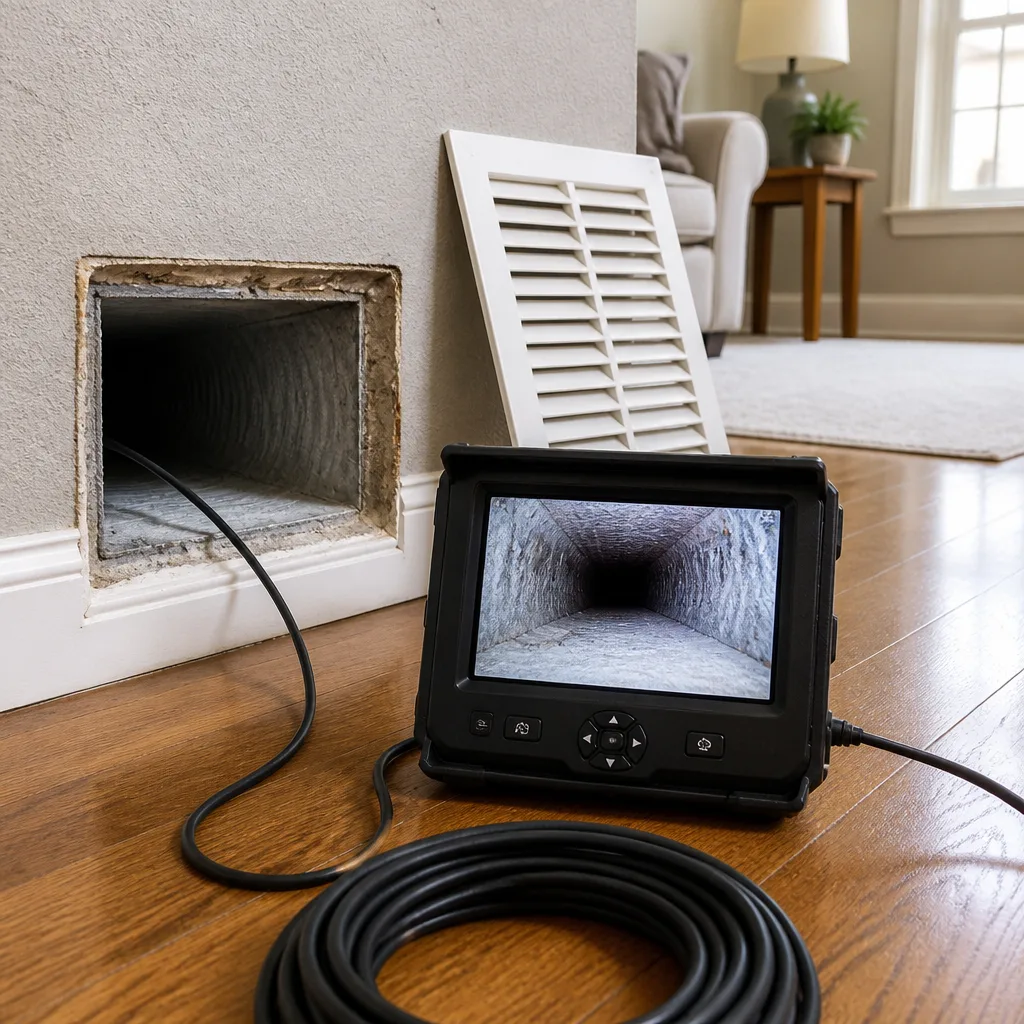 Camera inspection
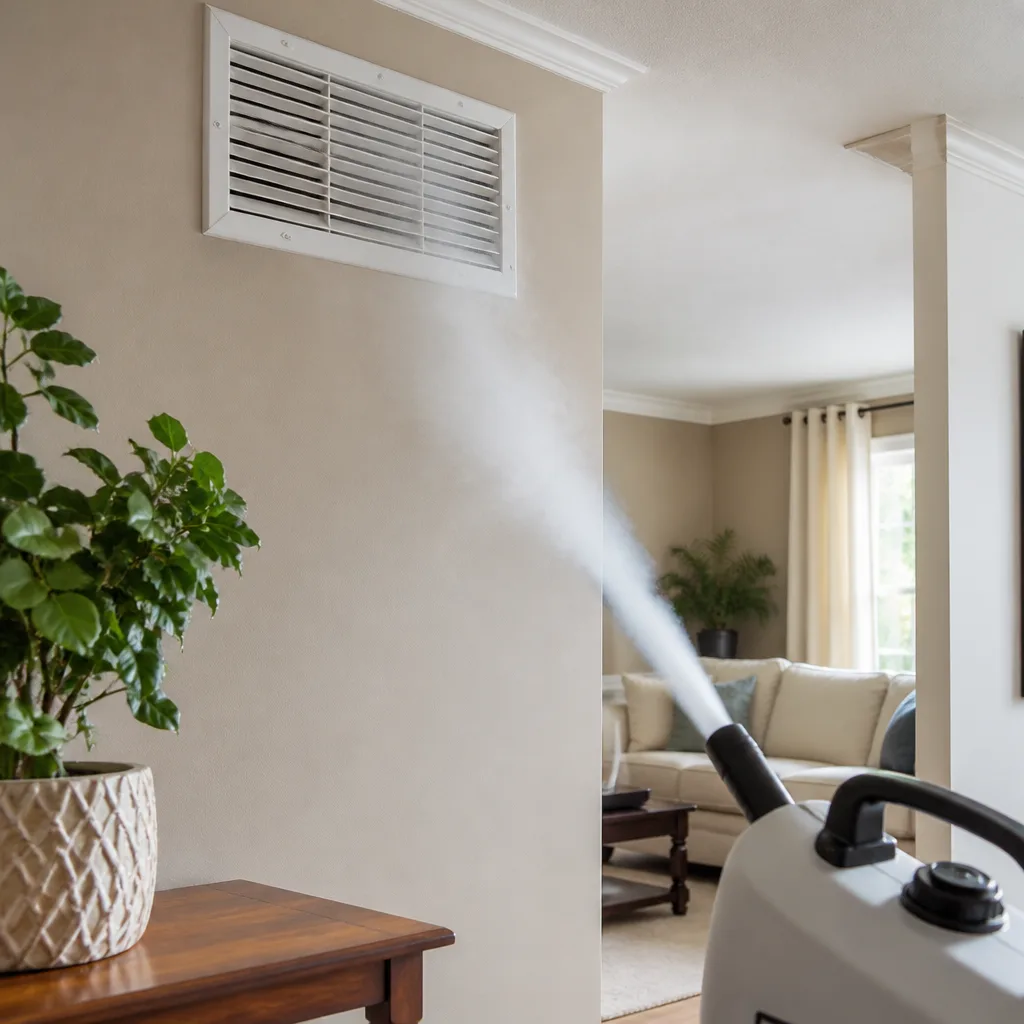 Sanitizing & deodorizing
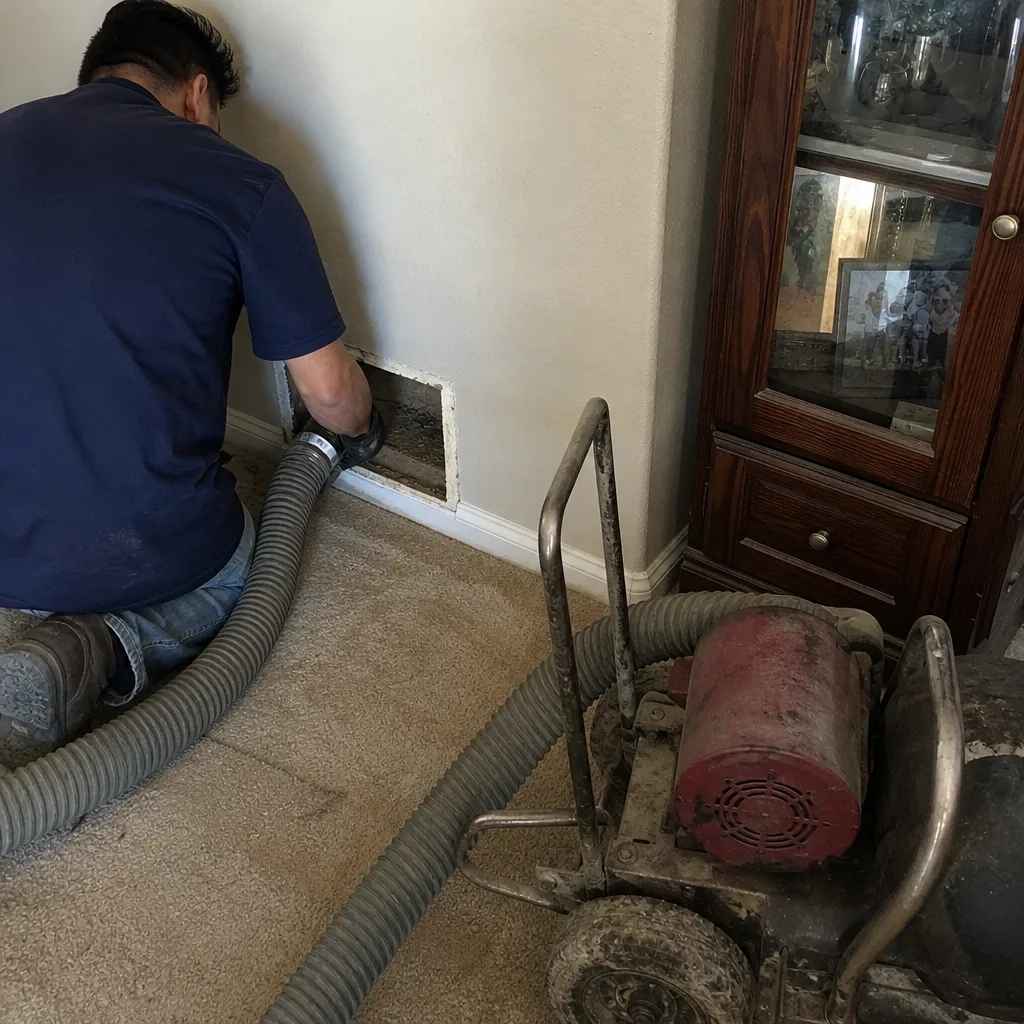
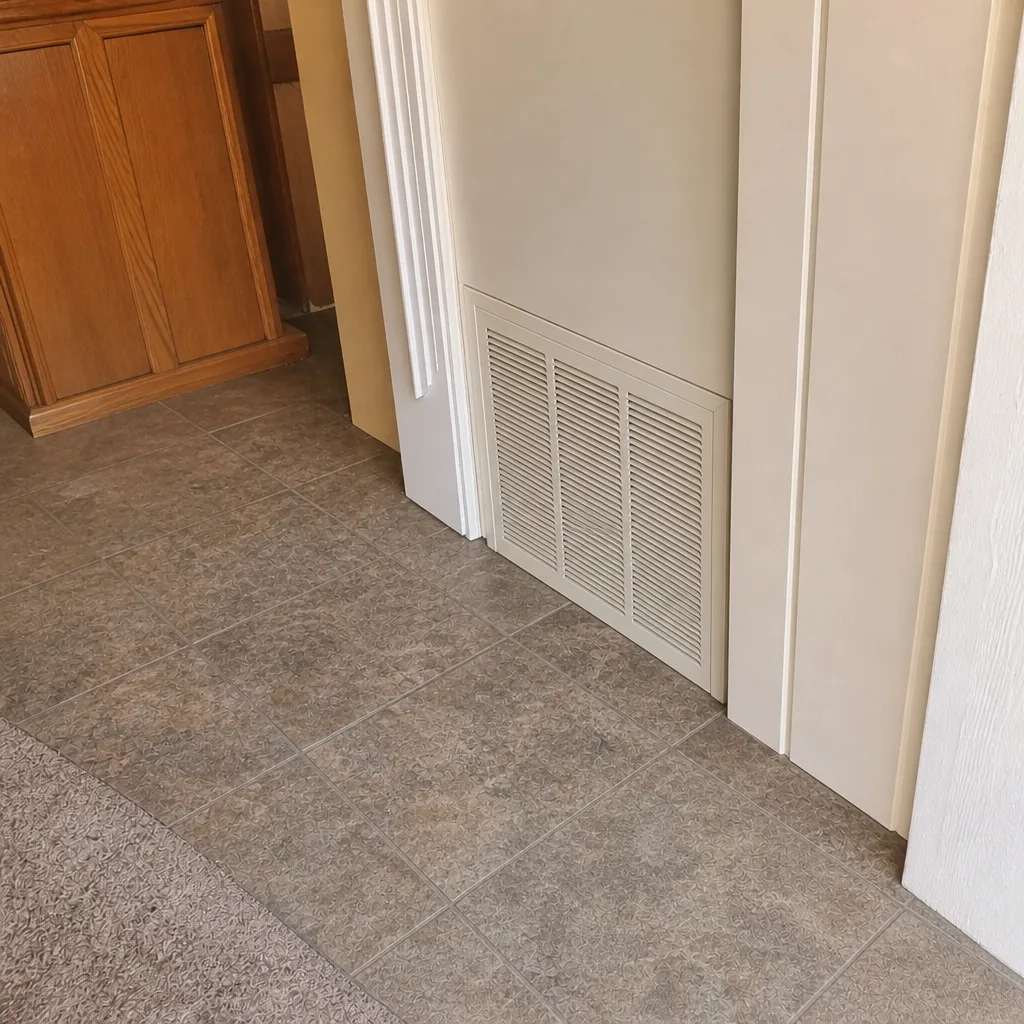
Whole-system duct and dryer vent check with before-and-after photos - you see exactly what came out of your vents
That "$99 whole-house special" is a bait ad - the real number appears once they are in your hallway, or the "clean" is a shop-vac at the register. We photograph the inside of your ducts before and after instead.
Air Duct Cleaning Warning Signs: A Bakersfield Homeowner’s Reference Guide
Visible dust around your supply registers is one of the last warning signs, not the first. By the time accumulation is obvious at the vent, your return side has usually been pulling that material through conditioned air for months, and the dust you can see is only the fraction that settled on a surface you happen to look at. The signals that matter most show up earlier, and they’re quieter: a room that never quite cools, a smell at the first summer startup, a filter that clogs twice as fast as it used to. This guide walks through the signals Bakersfield homeowners misread or dismiss, explains what each one actually says about duct condition, and tells you how urgent it is. Some point to a cleaning. Some point to something cleaning alone won’t fix.
Quick Answer
The warning signs that your air ducts need attention in Bakersfield are a filter that clogs faster than its usual interval, uneven room temperatures that trace to one branch of the system, musty odors at the first AC startup of summer, visible dust trails at the registers or return grille, and allergy symptoms that ease when you’re away from home. Of these, only the dust is a late-stage signal. The rest show up while the system is still running normally, which is exactly when the condition is easiest to correct.
Styles & brands we work with
- Whole-home duct cleaning
- Dryer vent cleaning
- Camera inspection
- Sanitizing & deodorizing
Table of Contents
- The Filter-Clogging Rate Test: Your Best Early Indicator
- Normal Dust vs. Active Biological Growth: How to Tell the Difference
- What Uneven Room Temperatures Actually Tell You
- The First AC Startup of Summer: What Musty Odors Mean in Bakersfield
- Dead-Zone Buildup in Long Horizontal Runs
- Signs That Point to Something Cleaning Won’t Fix
- Filter and Return Grille Signals Worth Checking This Week
- A Step-by-Step Home Inspection You Can Do Yourself
The Filter-Clogging Rate Test: Your Best Early Indicator
Your filter change frequency is a measurement, and most homeowners already track it without knowing it. When you replace the filter every three months and it comes out gray on the edges but mostly clean through the middle, that’s your baseline. When the same three-month interval starts producing a filter that’s loaded across its whole face, or when you find yourself changing it every six weeks because airflow has dropped, the system is carrying more material than it used to. That change is the earliest measurable sign that duct loading has increased.
The test is simple and costs nothing beyond the filters you buy anyway. Note the date on the filter frame with a marker each time you replace it. Watch for three things over the next two cycles:
- Change in interval: the same filter lasting noticeably shorter than it used to, with no change in how often the system runs.
- Change in pattern: a filter that used to load evenly now loading heavily on one side or in one corner, which points to a specific branch of the system pulling harder than the others.
- Visible bypass: dust collecting on the filter frame or the slot around it, meaning air is going around the filter rather than through it. This is a filter-fit problem, and it loads the ducts directly.
Bakersfield’s long dust season works against you here. From late spring through fall, the outdoor air carries fine particulate from agricultural work, unpaved lots, and ordinary valley wind, and every hour the system runs pulls a share of it inside. A filter that would last a full season in a milder climate can load faster in Bakersfield, which is why the rate change matters more than any absolute interval. If your system is pulling more through the filter than it should, that’s the moment to schedule air duct cleaning rather than wait for visible dust at the registers.
One caveat: a filter that clogs faster can also mean a filter that’s too restrictive for the system. A high-MERV filter on a blower not designed for it will load quickly and starve the system of air. If your change interval shortened right after you switched filter ratings, go back to the manufacturer’s recommended MERV and re-measure before you blame the ducts.
Normal Dust vs. Active Biological Growth: How to Tell the Difference
Dust is mineral and fiber. It’s gray to brown, dry, and brushes off a surface cleanly. What you’re watching for is anything that looks or smells like it’s alive: dark staining with a texture, a musty or earthy smell that gets stronger near a grille, or a discolored patch that returns to the same spot within weeks of wiping it away. Those signals point to moisture somewhere in the system, not just accumulation, and moisture changes the urgency entirely.
Here’s how to read the difference at the registers and the return grille:
- Dry gray dust on the grille slats: ordinary accumulation. Cleaning is worth scheduling, but nothing is growing.
- Dark staining or spotting on the duct interior visible with a flashlight: possible biological growth. Growth needs moisture, so there is a source to find.
- A musty, earthy, or “wet basement” smell at the return: the strongest indicator that the contamination isn’t just dust. Trace it before you clean.
- White or chalky residue on metal components: often mineral deposit from condensation or a leak, another moisture signal.
The reason this distinction matters is containment. Cleaning a system with active growth without proper capture methods can spread spores through the house during the job. That’s why professional work uses negative-pressure containment and HEPA filtration rather than a shop vacuum at the register. Our technicians run Abatement Technologies air filtration during cleaning specifically for this reason, and our technicians have up to experience reading these signals before they start. If you smell the mustiness, don’t just clean the ducts; find out where the moisture is coming from.
What Uneven Room Temperatures Actually Tell You
A room that runs 5 to 8 degrees warmer than the rest of the house in summer is a diagnostic signal, not a nuisance. It means the airflow to that room is compromised somewhere between the air handler and the register, and the cause falls into one of three categories: a blockage, a breach, or an undersized return. Each has a different fix, and cleaning only helps with one of them.
Blockage
Air is trying to reach the room but can’t. The register has weak or no flow when you hold your hand to it. Common causes are debris accumulation in the branch duct, a damper closed by accident, a crushed section of flex duct, or a register blocked by furniture or a rug. Cleaning and adjustment resolve this category.
Breach
Air is escaping before it reaches the room. The register flow is weak, and you may find cooled or heated air leaking into an attic, crawlspace, or wall cavity instead. Disconnected joints, torn flex, and separated trunk connections all fall here. Cleaning alone won’t help a breach; the system needs repair, and every dollar spent cleaning past a breach is partly wasted because the leak pulls unfiltered air back in.
Undersized Return
The room gets supply air but can’t relieve pressure because its return path is too small or missing. The room feels stuffy and the door may resist closing or feel hard to open with the system running, which is the classic pressure signal. This is a design issue. Sealing and balancing help, but the real fix is adding return capacity, which is a repair conversation, not a cleaning one.
Compare the room against the others the same way: check flow at the register, listen for rushing or whistling, and feel the door resistance. Whistling at a register usually means the air is being forced through a restricted opening, which points to a blockage. A room that’s warm with good flow and no whistle points to the return side. Bakersfield homes on the valley floor run long cooling cycles from May into October, so a compromised branch shows up here as a temperature problem long before a shorter cooling season would reveal it.
The First AC Startup of Summer: What Musty Odors Mean in Bakersfield
The first hot week of the year, when the AC comes on after a stretch of mild weather, is when a musty smell shows up in a lot of Bakersfield homes. The instinct is to blame the ducts. Often the odors are coming from the evaporator coil or the condensate drain pan, both of which sit wet through the cooling season and gather a film of dust and biological growth that stagnates when the system sits idle. When the blower comes back on, that smell gets pushed into every room. A duct cleaning won’t fix a contaminated coil. The coil and pan need to be part of the inspection, and often part of the scope.
To sort out which you’re smelling, watch where the odor is strongest and when:
- Smell strongest at the return grille, fading in the rooms: the source is likely in the ductwork or the air handler itself.
- Smell strongest in one or two rooms, not at the return: a localized duct issue, moisture, or an unrelated source in the room.
- Smell that appears only in the first few minutes after startup and fades: a strong signal of coil or pan contamination, because the first blast of air picks up the stagnant odor.
- Smell that is sour or like wet laundry rather than earthy: often a wet drain pan or standing condensate, which can also mean the drain line is partly clogged.
- Smell that intensifies as the summer goes on: growth is spreading with every wet cycle, and the urgency rises.
The deeper point is that a musty odor at startup is a moisture story, and moisture lives at the coil and the drain pan as often as in the ducts. Modern thermostats and whole-home IAQ controllers, including Honeywell and Aprilaire systems, sometimes make this harder to catch because they run the fan on a schedule and mask the startup smell. If you have a fan-only setting running often, check the coil directly.
Dead-Zone Buildup in Long Horizontal Runs
Not all duct contamination is spread evenly. In a typical single-story Bakersfield house, the trunk runs horizontally through the attic above the ceiling, and the longest branches – usually the ones feeding a far bedroom or a converted garage – have the lowest air velocity. Low velocity means the air doesn’t scour the duct walls, and fine particulate settles in those sections while the shorter runs stay comparatively clean. This is dead-zone buildup, and it’s invisible from the registers.
How to recognize it from inside the house:
- One distant room shows low flow and higher dust on the register slats than closer rooms.
- The filter loads on the side feeding that part of the house, which points to that branch pulling more than its share.
- A soft “whoosh” at the far register that sounds different from the near ones, which can mean the air is moving through a smaller effective opening because the duct interior is crowded with settled material.
Dead zones are the reason whole-system cleaning matters. A cleaning that only touches the visible registers does nothing for a branch that’s loaded two-thirds of the way down its run. Pulling the settled material out of long horizontal runs is what the professional-grade Rotobrush and Nikro equipment is built for: the tools reach into the duct and agitate the full length, rather than blowing loose dust from the opening. If your home has a long attic trunk feeding a far room that’s never quite comfortable, that branch is worth inspecting before you assume the problem is the AC unit itself.
Signs That Point to Something Cleaning Won’t Fix
Some warning signs look exactly like “the ducts need cleaning” and aren’t. In these cases cleaning can make things worse, because agitation accelerates the failure of duct materials that are already degraded. The three most common in Bakersfield homes are collapsed flex duct, disconnected trunk lines, and failing duct board.
Collapsed Flex Duct
Flexible duct sags when it’s not properly supported, and a sagged section pinches shut. The room it feeds gets weak airflow, and the kink becomes a debris trap. Cleaning a collapsed run doesn’t reopen it; the section has to be replaced and re-supported.
Disconnected Trunk Lines
A joint that’s separated at the trunk or a branch sends conditioned air into the attic instead of the room. The tell is a room with almost no flow plus, in summer, a noticeably hotter attic and a higher electric bill for the same comfort. No amount of cleaning seals a gap. The joint has to be reconnected and sealed, and there’s a real energy reason to do it. This is why we offer air duct cleaning alongside a dedicated air duct repair service; locating breaches is part of what a full inspection does, not an afterthought.
Failing Duct Board
Rigid duct board that has absorbed moisture or has started to delaminate breaks down when it’s disturbed. Its inner surface can flake, and aggressive cleaning can pit or shred it. If you see fraying at the edges, soft spots, or staining on duct board, it needs assessment before any cleaning tool goes inside. Repair or replacement comes first.
If any of these three are present, the right order is repair, then clean. Cleaning a breached system just gives you a clean duct with an open door to the attic. That’s the reason a full-system approach, clean, treat, and repair, matters more than a quick cleaning visit that never opens a panel.
Filter and Return Grille Signals Worth Checking This Week
Some signals you can check in a few minutes without tools, and they’re worth checking first because they narrow everything else down.
- Dust streak from the return grille up the wall: the return is pulling harder than the supply side can balance, or the grille seal is failing. Either way, dust is bypassing the filter.
- Fuzzy or discolored filter frame: a loose filter letting air around the edges. Refit the filter and re-check the frame in two weeks.
- Return grille that whistles or pulls hard: an undersized return path, often the cause of the uneven room temperatures above.
- Dust settling on horizontal surfaces in one room only: a leak or crack near that room’s branch, not a whole-house accumulation problem.
- Mild allergy symptoms that ease when you’re away: the strongest at-home indicator that what you’re reacting to is in the indoor air, and worth documenting as a pattern before you call.
Keep a simple log for a month: filter install date, room temperatures mid-afternoon, any odor pattern, and when the symptoms appear. That log is the single most useful thing you can hand a technician, because it turns a vague “the air feels off” into a set of measurements they can match to the system layout.
A Step-by-Step Home Inspection You Can Do Yourself
You can gather solid information in about half an hour without opening the system. What you can’t safely do is open panels, reach into the air handler, or get at the coil, which is why the last step is a call. Everything else is observation.
- Write down the current filter install date and note its condition when you pull it. Photograph it on the counter.
- Test each supply register with the back of your hand in the same order across the house, with the system running. Note any register with weak flow.
- Listen at each register for whistling or unusual noise, which points to a restriction.
- Check door resistance in each bedroom with the system running. A door that pulls hard or resists closing suggests an undersized return.
- Run a flashlight along the visible return grille and the first stretch of duct you can see without opening anything. Look for dark staining or a smell that’s stronger right at the grille.
- Compare afternoon temperatures room to room on a hot day and write the numbers down.
- Do not open the air handler or remove panels. Coil and drain pan inspection involves electrical components, sharp edges, and confined attic space, and it needs a trained technician.
- Call a professional if any of the above showed a pattern rather than a single odd reading.
Safety first
Air handlers and duct systems have electrical components, and the inside of a system can hold sharp edges and material you shouldn’t breathe in a concentrated dose. That’s a job for a trained professional. Our technicians run HEPA-filtered containment for this reason, not because it’s convenient. If you see dark growth, smell persistent mustiness, or find a disconnected joint, stop inspecting and book a professional assessment.
One more Bakersfield-specific note: many homes here have ducts in an unconditioned attic, and attic access in summer is a heat hazard on its own. Keep your inspection to the conditioned side of the system.
Common Mistakes to Avoid
- Treating visible dust as the first sign. By the time dust is visible at the registers, the system has usually been carrying the material for months. Use the filter-clogging rate and the room-temperature check to catch it earlier.
- Assuming every smell is a duct problem. In Bakersfield, a musty first-startup odor is often coil or drain pan contamination, and a duct cleaning alone won’t remove it. Have the coil inspected as part of the work.
- Cleaning before diagnosing. If there’s a breach, a collapsed flex section, or failing duct board, cleaning first is wasted effort and can make the material worse. Inspect, repair, then clean.
- Assuming one vent cleaned means the system is clean. Long horizontal runs up in the attic are where the buildup usually sits. A cleaning that only reaches the registers leaves those runs loaded.
- Over-restricting the filter to catch more dust. A too-dense filter on a blower not rated for it starves airflow and can freeze the coil. Match the filter to the system’s spec and re-check the clogging rate afterward.
- Ignoring the dryer vent because the ducts got all the attention. Dryer vents collect lint that is a genuine fire hazard, and we treat dryer vent cleaning as a fire-risk reduction service, not an add-on. If your dryer takes longer than it used to, that’s the signal.
- Skipping the filter log. Without a recorded baseline, you can’t tell whether the system is loading faster than it used to. A simple date marker and a monthly temperature check gives you something to compare.
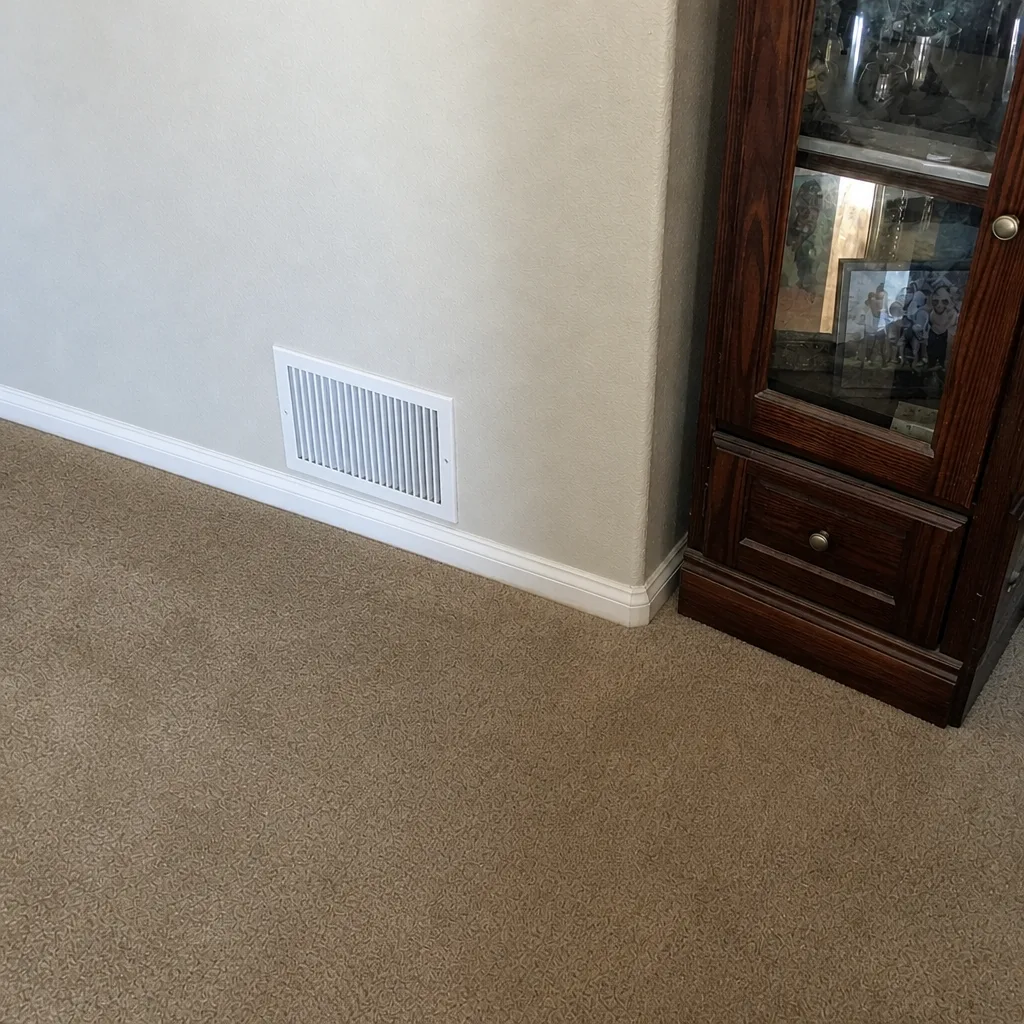
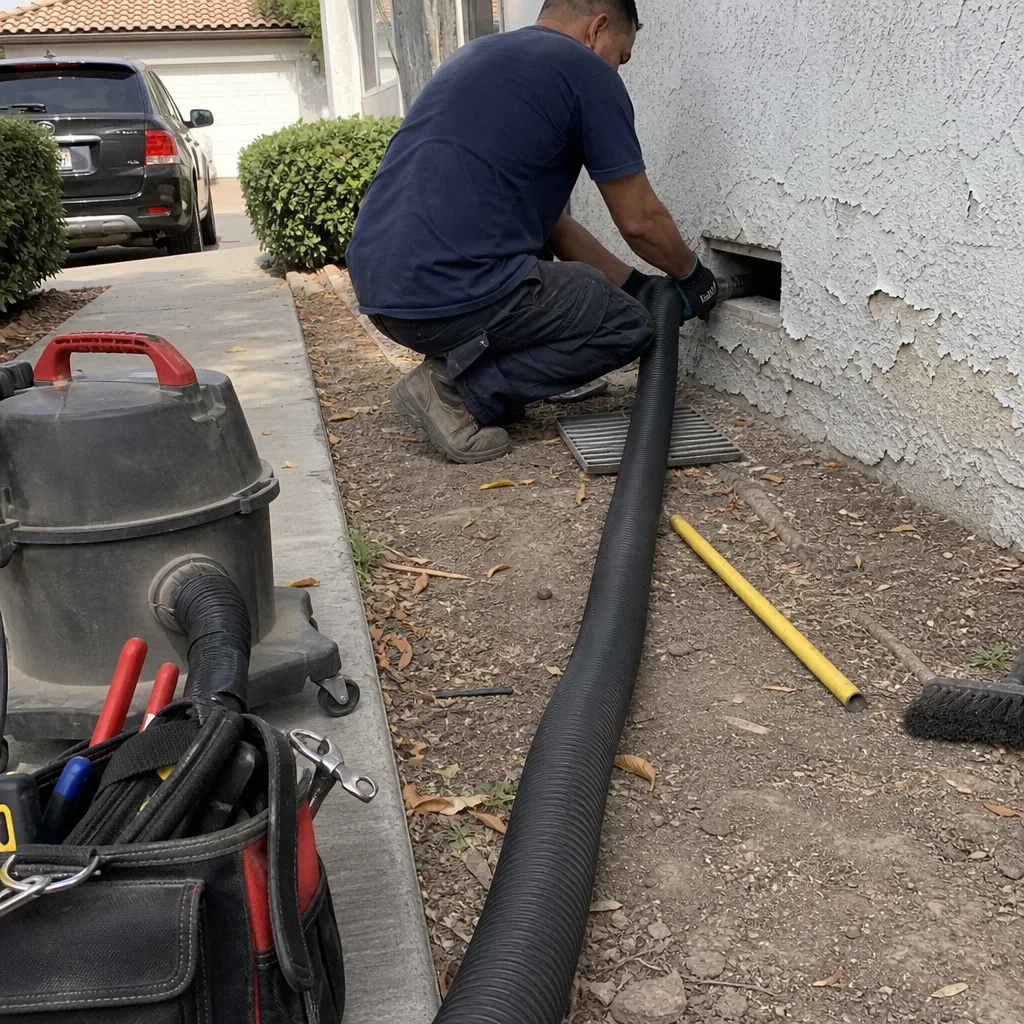
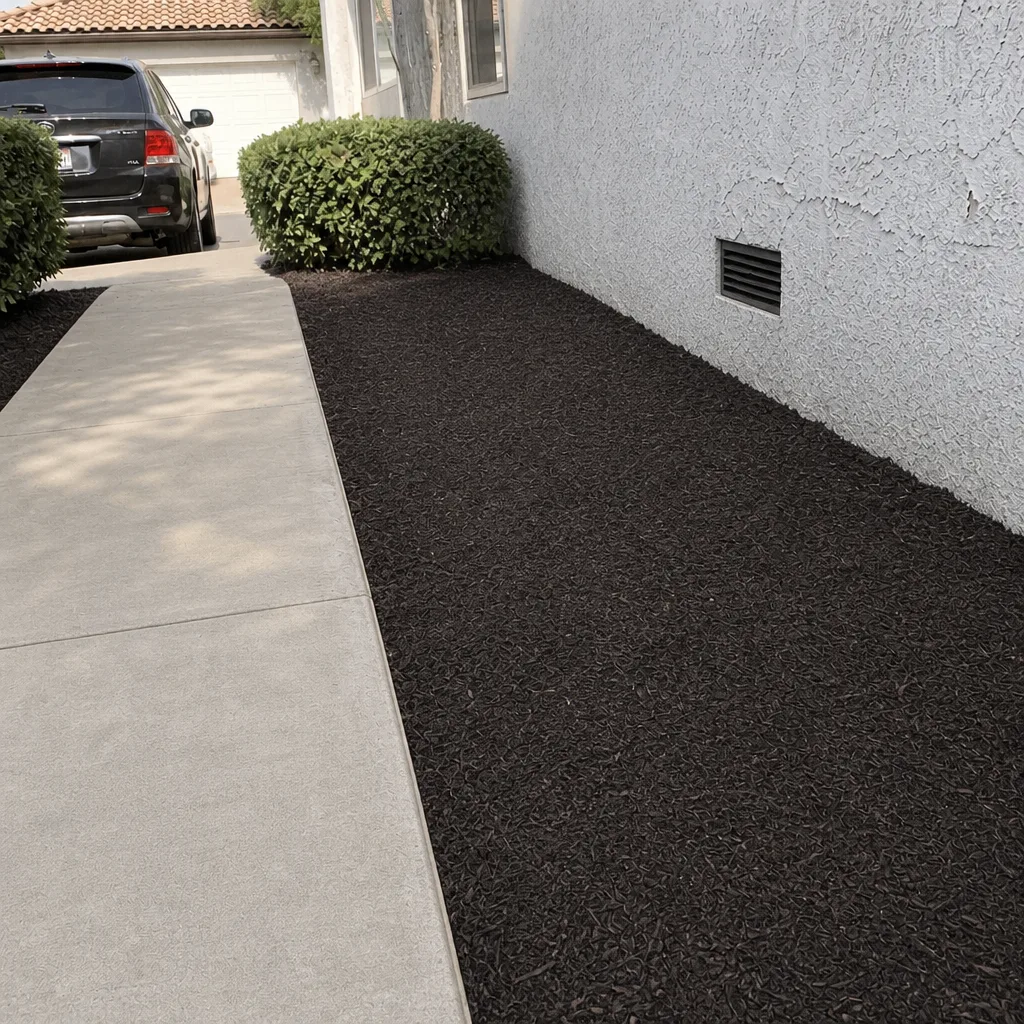
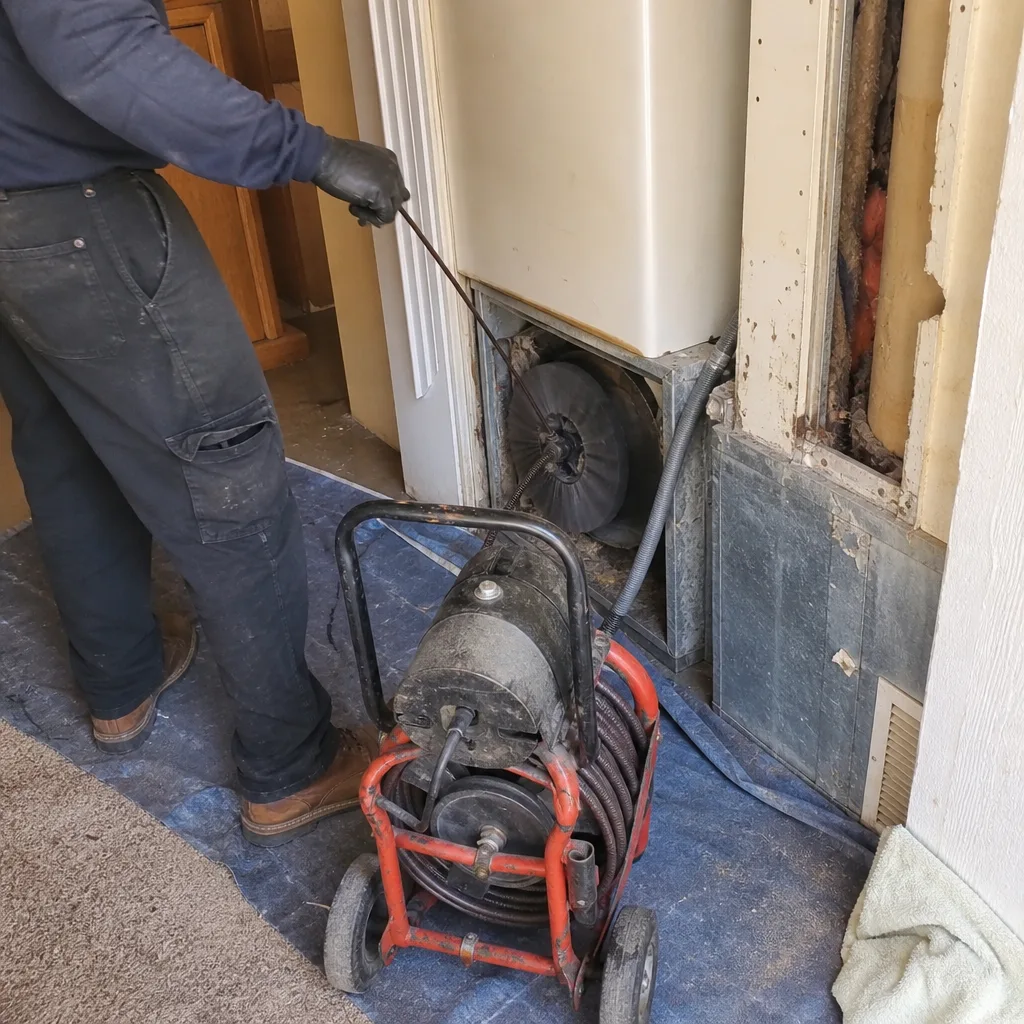
See the difference
 Before
 After
 Before
 After
 Before
 After
When to Call a Professional
Call when a pattern shows up rather than a single reading: a filter interval that’s shortened, a room that’s consistently several degrees off, a smell that only appears at the first AC startup of summer, visible dark staining at a grille, or allergy symptoms that clear when you’re away and return when you’re home. Also call if you find a disconnected joint, a collapsed flex run, or duct board that looks soft or frayed, because those need repair before cleaning. Morningstar Air Duct Cleaning offers free estimates in Bakersfield. Call (866) 942-8025. We answer 24/7. Fast dispatch from 7am to 7pm. Our technicians use professional-grade Rotobrush and Nikro equipment on every job, deploy Abatement Technologies air filtration during cleaning for containment-level particulate control, and are trained to service whole-home IAQ systems including Honeywell and Aprilaire controls.
Frequently Asked Questions
The earliest reliable sign is a filter that clogs faster than its usual interval, because it measures how much material the system is carrying before the dust becomes visible at the registers. Pair that with a room that’s consistently warmer than the rest of the house. Visible dust at the grille is a later signal. Call (866) 942-8025 for a free estimate to confirm what your filter rate is telling you.
There’s no fixed interval that fits every home, but dust conditions in Bakersfield tend to move the timeline up compared to a milder climate. Homes with pets, allergy or asthma concerns, recent remodeling, or a filter that’s loading fast benefit from a check sooner. A free estimate will tell you whether your system is actually loaded, which matters more than a calendar. Call (866) 942-8025 to schedule one.
Cheap quotes usually cover a small fraction of the work: a quick pass at the registers without containment, without HEPA filtration, and without inspecting the coil, drain pan, or the long attic runs. Sometimes they’re based on a per-vent price that leaves the real line items out. Ask what equipment is used, whether Abatement Technologies filtration is deployed, and whether repair is on the table before you compare numbers. Call (866) 942-8025 for a straight explanation of what a full scope includes.
You know because the job is documented, not because someone tells you it was. Our practice is one flat price per system agreed before work starts, and before-and-after photos of your own ducts, so you can see the difference rather than take a word for it. That also means no surprise of a per-vent add-on once the technician is inside. Call (866) 942-8025 to book an estimate.
Not always. A musty first-startup odor is often coming from the evaporator coil or the condensate drain pan, which hold moisture all summer, and a duct cleaning alone won’t clear either. The right step is to inspect the coil and pan as part of the scope and treat the source. Call (866) 942-8025 to have both looked at together.
It depends on which of three causes is behind it: a blockage, a breach, or an undersized return. Cleaning helps a blockage. A breach needs repair, and an undersized return needs a design fix. A quick register-flow test and door-resistance check narrows it down. Call (866) 942-8025 for a free estimate so the right fix is on the table from the start.
The Bottom Line
The warning signs that matter most in Bakersfield are the quiet ones: a filter loading faster than it used to, one room that never catches up, a smell at the first summer startup, and dark staining that returns after you wipe it. Those tell you something is happening before the dust becomes visible at the registers. Read the signs in order: filter rate first, room temperatures second, odor and staining third. If a breach, collapsed flex, or failing duct board turns up, repair comes before cleaning. For everything else, a full-system approach, clean, treat, and repair, with professional-grade equipment and proper containment, is what actually changes the air you breathe at home. Morningstar connects you with independent local professionals who do the work, and estimates are free.
Call (866) 942-8025. We answer 24/7. Fast dispatch from 7am to 7pm, Sunday through Friday. We serve homes across Bakersfield, and the crew that arrives will show you the equipment and explain the scope before anything starts. If you’d like to see the full range of what we do first, start with the main Morningstar Air Duct Cleaning page.
Written by the team at Morningstar Air Duct Cleaning.