
Last updated November 16, 2026
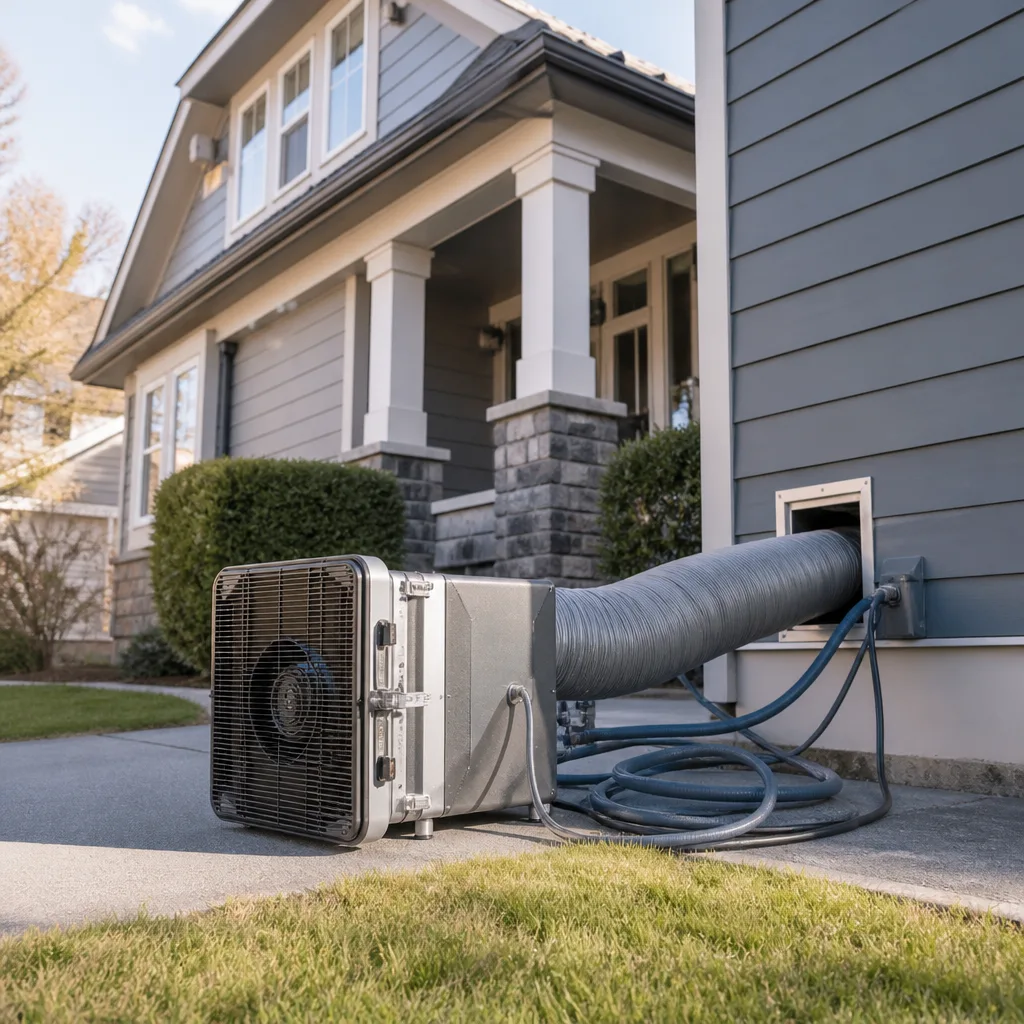 Whole-home duct cleaning
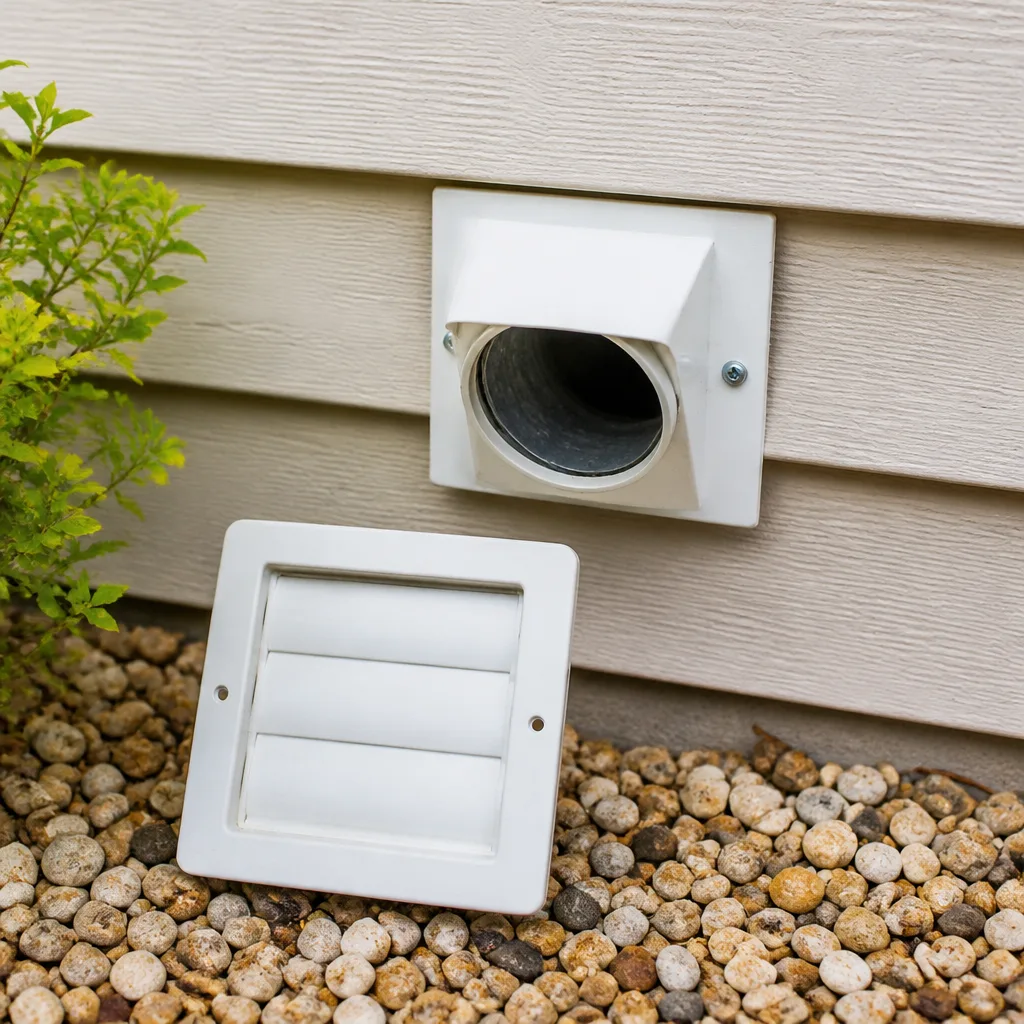 Dryer vent cleaning
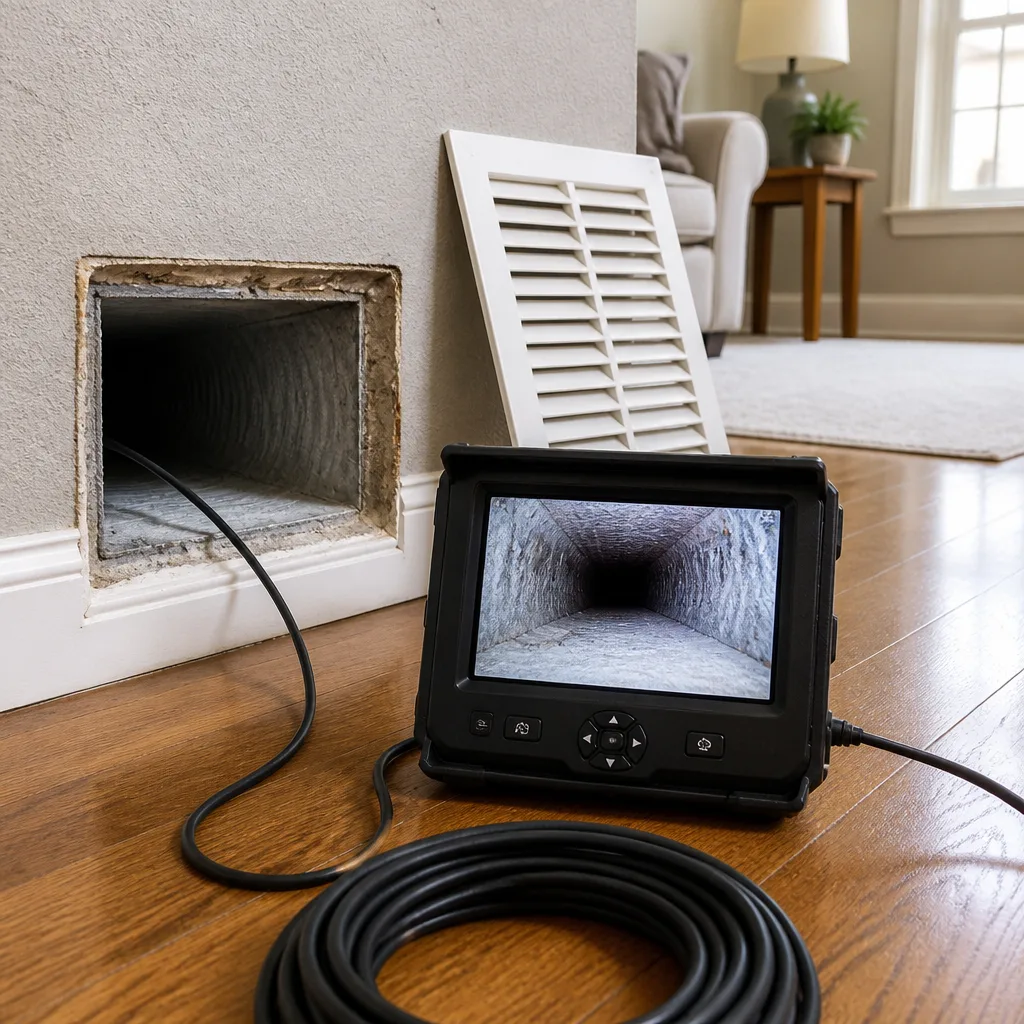 Camera inspection
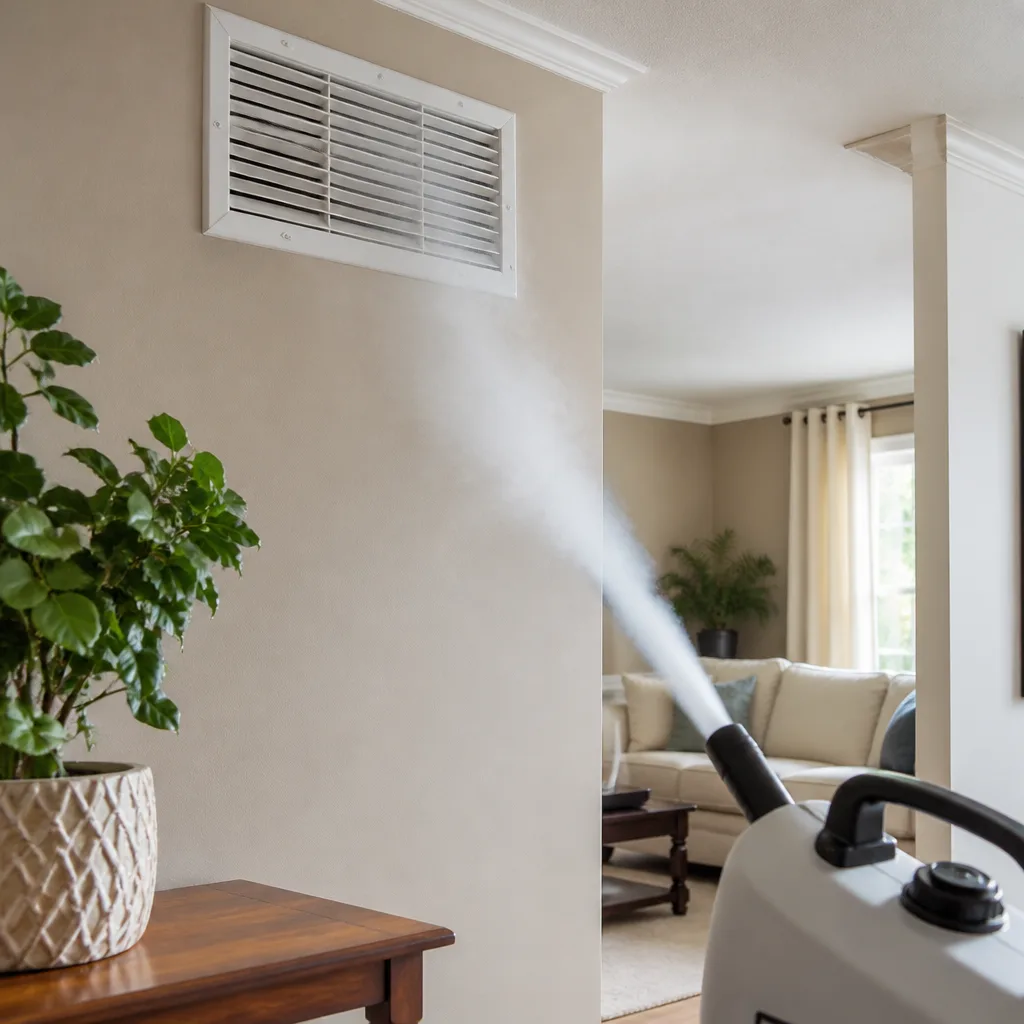 Sanitizing & deodorizing
Whole-system duct and dryer vent check with before-and-after photos - you see exactly what came out of your vents
That "$99 whole-house special" is a bait ad - the real number appears once they are in your hallway, or the "clean" is a shop-vac at the register. We photograph the inside of your ducts before and after instead.
Choosing the Right Air Duct Cleaning Brand: A Buyer’s Guide for Bakersfield
Every duct cleaning company in Bakersfield has a five-star Google rating and a photo of a clean duct. What they don’t all have is a truck-mounted negative air machine, a technician who can read duct static pressure, and a written report that documents what they found. A star rating tells you what a customer felt. It doesn’t tell you what equipment entered their house or whether the technician cleaned the entire air pathway or only the duct runs visible from the registers. This guide teaches you to read the operational signals, so you can evaluate brands on equipment investment, service scope, and what happens after the technician leaves rather than on stock photography and review counts.
Quick Answer
The right air duct cleaning company in Bakersfield is the one that uses professional-grade equipment, cleans and repairs the whole air pathway, and leaves you with documented proof of the work: before-and-after photos, airflow readings, and written findings. Ask about the negative air machine, the brush system, and the exhaust filtration before you compare prices, because those three answers tell you more about a company than any review page.
Styles & brands we work with
- Whole-home duct cleaning
- Dryer vent cleaning
- Camera inspection
- Sanitizing & deodorizing
Table of Contents
- Why the Duct Cleaning Brand You Choose Actually Matters
- The Three Equipment Indicators That Separate Serious Contractors
- How to Evaluate Service Scope (Does the Price Cover the Whole System?)
- Air Duct Repair: The Capability Most Cleaners Don’t Offer
- What Legitimate Post-Service Documentation Looks Like
- Verifying Licensing and Credentials in Kern County
- Questions to Ask Before You Book
- When Duct Work Becomes a Safety Issue
Why the Duct Cleaning Brand You Choose Actually Matters
Air duct cleaning is one of the few home services where the customer can’t see most of the work being done. The ducts sit behind drywall, under floors, and in attic space you’ll never crawl through. That means the entire transaction rests on trust, and trust in Home Services is exactly what a bait-and-switch reputation erodes.
In Bakersfield, this plays out in a specific way. The valley’s dry, dusty air and long hot season mean ductwork here collects a particular kind of debris: fine soil dust, soot, pet dander, and construction residue from new builds that keeps circulating for months. A homeowner with allergies or asthma in Oildale, the Laurelglen area, or the new construction out toward the southwest feels the difference between a genuinely clean system and a surface-cleaned one. When a company quotes a dollar figure and then cleans only what’s visible, the air in the house doesn’t change much. The homeowner pays, breathes the same air, and learns nothing about why.
Brand quality in this market comes down to three measurable things: equipment investment, whether the scope covers the entire air pathway or only the duct runs, and what documentation you receive afterward. Reviews and star ratings are useful for spotting red flags, but they can’t substitute for those three. That’s the core lesson of this guide, and it’s what we’ll break down section by section.
The Three Equipment Indicators That Separate Serious Contractors from General Cleaning Operations
Equipment is the clearest window into how a company operates. A contractor can talk about quality for an hour, but the specific equipment loaded into their setup tells you what they actually do. Three indicators matter most.
1. The negative air machine
A negative air machine creates negative pressure inside the duct system so that loosened debris gets pulled toward the collection unit instead of floating into your living space. The size and spec of that machine is the single biggest equipment differentiator in residential duct cleaning. Consumer-grade shop vacuums and small portable units can’t hold negative pressure through a whole house. Truck-mounted units and professional HEPA-rated negative air machines can. When you ask about the machine and the answer stays vague, that’s information.
2. The brush system
Duct interiors need mechanical agitation, not just suction. The brush system determines how thoroughly the walls of each run get scrubbed and how much debris dislodges into the airflow. Professional-grade rotating brush systems, either truck-mounted or specialized portable units, reach the duct walls inside every branch run. A compressed-air whip alone loosens surface dust but doesn’t scrub biofilm or stuck-on debris. Multiple brush heads in different sizes matter for a house with mixed ductwork, which is the norm in Bakersfield’s older neighborhoods.
3. Exhaust filtration
The exhaust side of the job is what most residential cleaners skip entirely. If the collection unit exhausts unfiltered air back into the house, you’ve just relocated debris from the ducts into the room. Professional containment uses HEPA filtration on the exhaust, and that’s the standard in remediation and commercial IAQ work. Morningstar uses Abatement Technologies air filtration during jobs for exactly this reason, and the same professional-grade Rotobrush, Nikro, and Abatement equipment appears in commercial and industrial air quality work.
When you get an estimate, ask all three questions. Ask what negative air machine will be used, what brush system agitates the duct walls, and how the exhaust gets filtered. A serious operator answers without hesitation. A general cleaning operation often can’t.
How to Evaluate Service Scope (Does the Price Cover the Whole System?)
The most common disappointment after a duct cleaning job is discovering that the price only covered the accessible duct runs. The registers got cleaned, the returns visible from the floor got attention, and the rest of the system stayed exactly as dirty as it was. Evaluating scope before you book is how you avoid that.
Full-system cleaning means the entire air pathway gets treated: the supply and return duct runs, the plenum, the evaporator coil area, the drain pan, the fan housing, and the grilles and registers. Accessible duct runs are the easy part. The plenum and coil area is where the real accumulation sits in most Bakersfield homes, especially with the HVAC system running for most of the summer. When a quote is dramatically lower than others, the scope is almost always the reason.
Ask specifically whether the following are included:
- Supply and return duct runs throughout the house, not just near the registers
- The plenum, both supply and return side
- The evaporator coil face and housing area (cleaned carefully; coils can be damaged by aggressive contact)
- The drain pan and any standing moisture
- Grilles, registers, and return air covers, removed and cleaned separately
- A protective treatment applied to the system after cleaning, if you opt for one
Guardsman-level protective treatments are available as part of the full-service scope for homeowners who want them. If the estimate doesn’t distinguish between “clean the ducts” and “clean the system,” that’s the gap to press on. Scope is the line item that separates an honest flat price from a teaser figure.
For a full walkthrough of what a proper residential job includes, see air duct cleaning.
Air Duct Repair: The Capability Most Cleaners Don’t Offer
Here’s the part of duct work that rarely gets discussed in a sales conversation: the system can be breached. Disconnected duct runs, collapsed sections, poorly sealed joints, and crushed flex duct create paths for dust and conditioned air to escape into the attic or crawlspace. When that happens, a duct cleaning job can be executed perfectly and still deliver no benefit, because the system is leaking treated air and drawing in unfiltered air through the breach.
Most duct cleaning companies do not offer repair as a dedicated service. They clean the ducts and leave the breaches in place. That’s a real gap, and it’s why we treat air duct repair as a core service rather than an add-on. During an inspection, we look for gaps, disconnections, kinked or collapsed flex runs, and disconnected joints in the trunk-and-branch layout. If we find them, we tell you before any cleaning is quoted, because cleaning a broken system makes no sense.
Patching and reconnecting ductwork isn’t dangerous the way electrical or gas work is, but it does take methodical inspection. The right time to address a breach is before a cleaning, not after. A simple question during your estimate reveals whether a company can offer this: “Will you inspect for disconnected or collapsed duct runs and correct them?” If the answer is that they don’t do repairs, you know your cleaning will only address the ducts that still connect properly.
What Legitimate Post-Service Documentation Looks Like
A written record of the work is the single best tool for distinguishing a professional job from a superficial one. Documentation shows the homeowner what was done, and it forces the technician to record findings rather than rely on verbal assurances. Legitimate post-service documentation typically includes three elements.
- Before-and-after photography. Photos of the duct interior, the plenum, the coil area, and the registers, taken at consistent angles, before and after cleaning. The right comparison shows what was in the system and what was removed.
- Airflow readings. Static pressure and airflow measurements taken before and after cleaning show whether the system is moving air efficiently. Ductwork that’s been reconnected or unblocked changes these numbers, and the readings document that.
- A written findings report. A one-page summary listing any breaches, disconnected runs, moisture problems, or debris patterns that need follow-up.
When documentation is missing entirely, the customer has no way to verify what happened. That absence is meaningful. A company that does the full job can document it; a company that cleans only the visible runs often can’t. If you’re comparing brands and one shows you what the report looks like while another waves toward their reviews, that difference tells you which one operates with the standard you want.
Verifying Licensing and Credentials in Kern County
Verifying credentials takes ten minutes and separates the serious companies from the ones that shouldn’t be in your home. In California, licensing, insurance, and industry certifications each play a role, and Kern County homeowners have the same verification tools as any other.
The key checks:
- California contractor license. Confirm the license class matches the work being done and that the license is current and in good standing. The state contractor licensing board’s lookup tool is public.
- General liability insurance and workers’ compensation coverage. Ask for a certificate of insurance and verify it covers the date of your scheduled work. A company that can’t furnish it isn’t a company you want installing equipment in your attic.
- NADCA credentials. The National Air Duct Cleaners Association issues credentials and publishes standards for duct cleaning. Membership and credentials indicate the company is willing to hold itself to an established industry standard. Verification is possible through NADCA directly.
- Written estimate and contract terms. A legitimate company provides a written estimate with a defined scope before work begins. If the price is only ever verbal, that’s a problem.
For property managers and homeowners with commercial or multi-unit buildings in Bakersfield, the same verification applies to any firm working on shared systems. Some jobs genuinely require additional certifications or permits (for example, where refrigerant handling or gas appliance connections are involved); ask whether any of those apply before booking. Morningstar connects Bakersfield homeowners with independent local professionals who perform the work. Our technicians have up to experience, and we work with Honeywell and Aprilaire whole-home systems, so we understand whole-home IAQ rather than treating ductwork as an isolated job.
Questions to Ask Before You Book
You don’t need technical expertise to spot operational seriousness. You need a handful of questions and the willingness to listen for specifics. Here’s the set we recommend.
- What negative air machine will you use, and how many CFM does it move? A serious operator knows the machine and its spec. A vague answer is your signal.
- What brush system will agitate the duct interior? Look for a named professional-grade system, not “specialized brushes.”
- How does the exhaust get filtered during the job? HEPA filtration or an equivalent containment approach is the answer you want. Silence on exhaust is a red flag.
- What’s included in the quoted price? The whole air pathway, the plenum, the coil area, the drain pan, and the registers. Ask explicitly about each item.
- Will you inspect for disconnected or collapsed duct runs and offer repair if you find them? Not every company can. The ones that can will say so without hesitation.
- What documentation will I receive afterward? Before-and-after photos, airflow readings, and a written report. Ask for a sample.
- Can you show me your California contractor license, insurance, and NADCA credentials? All of these are standard requests, not intrusive ones.
One additional question worth asking: “Are you treating the system after cleaning or only cleaning?” If a protective treatment is offered as part of a full-service approach, the company is thinking about IAQ over time, not just logistically removing debris from ducts.
When Duct Work Becomes a Safety Issue
Most duct cleaning topics don’t involve safety, but a few do. A dryer vent is a dedicated fire-risk issue rather than a comfort one. Dryer vents accumulate lint, and lint is highly flammable. An unrestricted lint buildup is a genuine fire hazard, and dryer vent cleaning is a fire-prevention service, not a discount add-on to a duct job. If a company prices dryer vent work as a throw-in during duct cleaning, guess which job gets shortchanged. For detail on how a proper dryer vent cleaning differs, that link covers the process, the access points, and the warning signs.
Inside the heating and cooling system, the areas that need professional handling are the ones tied to power and combustion. The furnace’s electrical components, any gas connections, the blower motor assembly, and the refrigerant circuit should not be touched by anyone other than a trained professional, and a duct cleaning technician should not open those components to clean around them. If a cleaning company proposes opening an electrical panel or moving a gas line to gain access, stop the conversation. Duct cleaning is a mechanical service; when the job crosses into electrical, gas, or refrigerant territory, that section requires a trained professional.
Another genuine hazard is confined-space work. Crawling into a tight attic or crawlspace to access the duct trunk requires proper precautions. If a technician appears to be working in a space without ventilation or a clear route out, that’s not normal, and it’s a sign the company is cutting corners on worker safety. Ask how they access the system before they arrive.
Common Mistakes to Avoid
- Buying on the lowest headline number. The lowest price usually means the scope excludes the plenum, the coil area, and the drain pan. That’s not a bargain; it’s a different job.
- Not asking about exhaust filtration. If the collection unit exhausts unfiltered, particles blow back into the house. The system looks cleaner and the room doesn’t.
- Skipping the duct-integrity check. Disconnected ducts and collapsed flex runs make cleaning pointless. In Bakersfield’s older housing stock, aging ductwork is common and worth checking before any work is scheduled.
- Treating the dryer vent as an afterthought. Lint accumulation is a genuine fire hazard. If the company treats dryer vents as a $49 add-on, the stakes are clearly not being taken seriously.
- Accepting “we’ll send photos” without a written report. Verbal assurances don’t document anything. Ask what’s in the report before you book.
- Assuming a review count means equipment investment. A company can have hundreds of five-star reviews and still run consumer-grade vacuums. The reviews tell you about politeness and punctuality, not equipment.
- Not verifying who actually enters the home. Ask whether the technicians are direct employees or subcontracted. It’s a fair question, and the answer tells you how much control the company has over the quality of the work.
See the difference
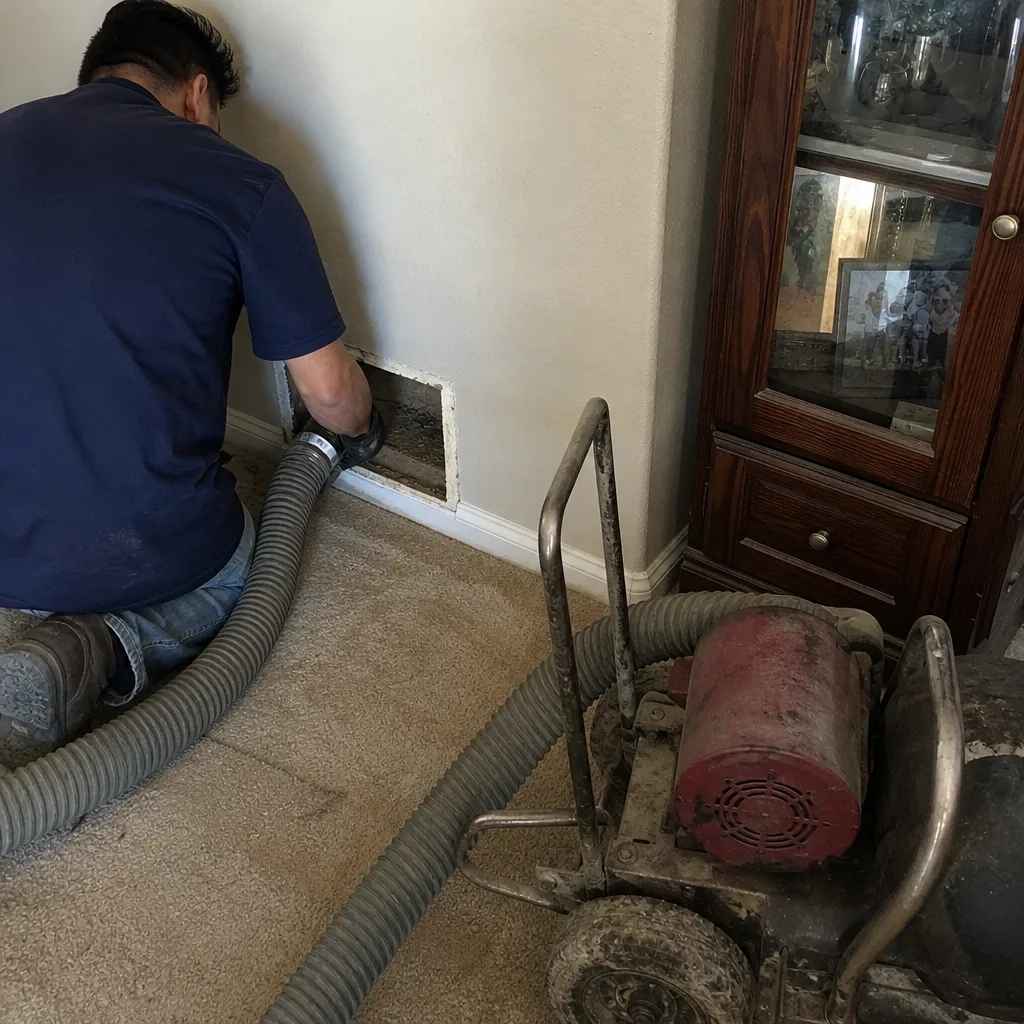 Before
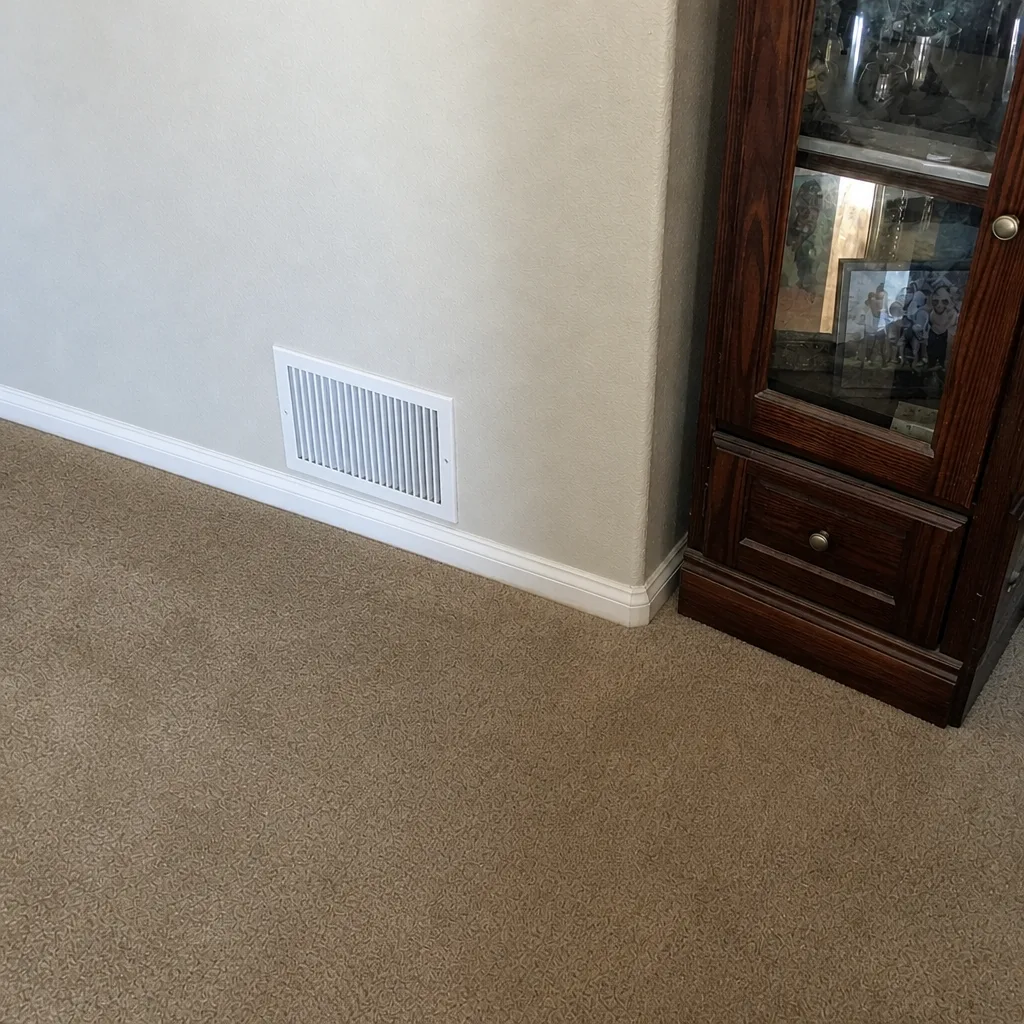 After
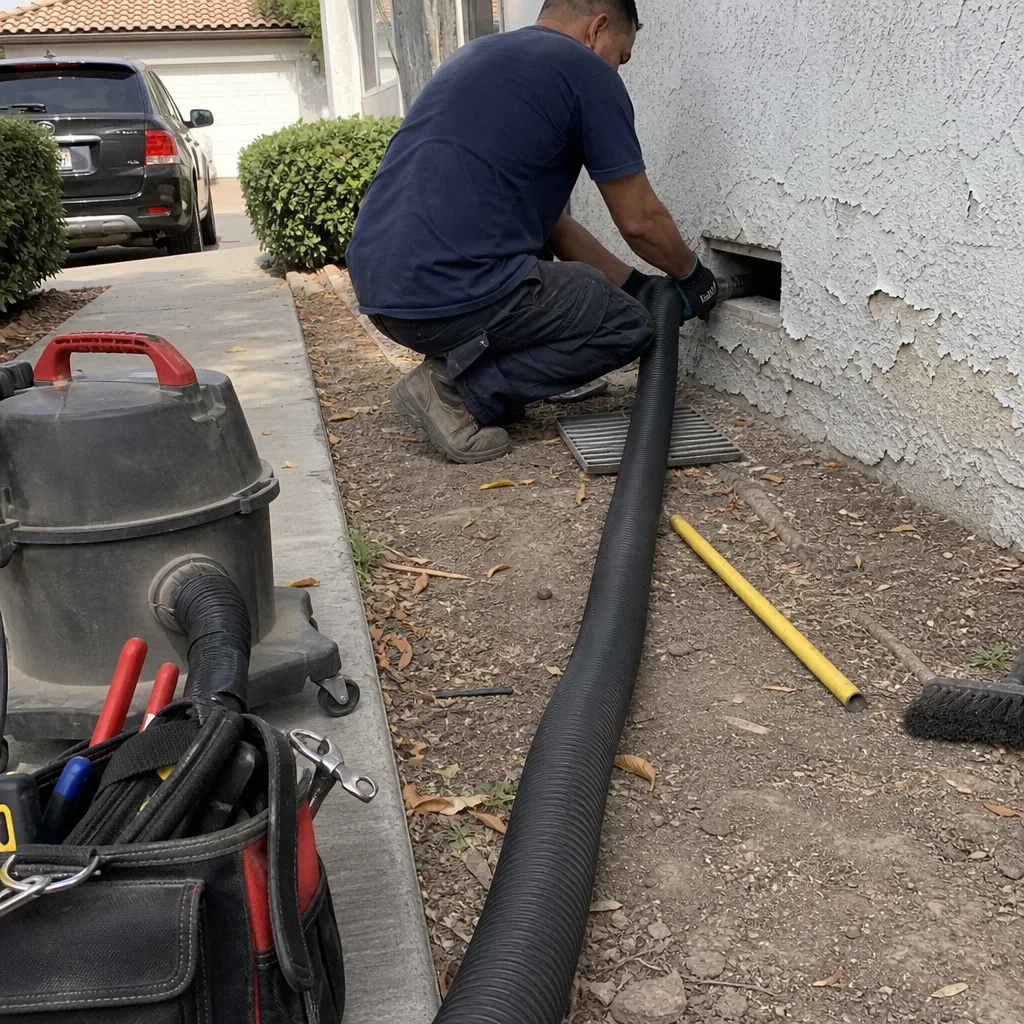 Before
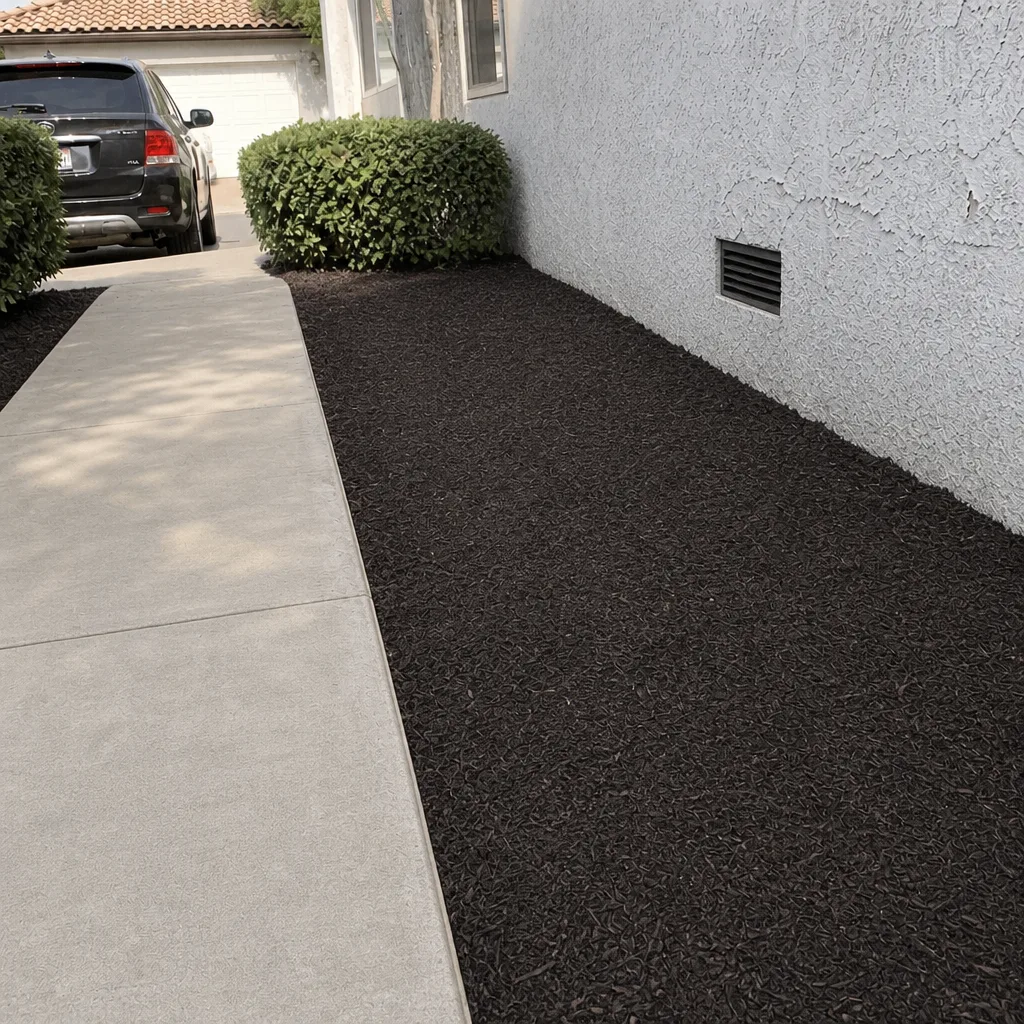 After
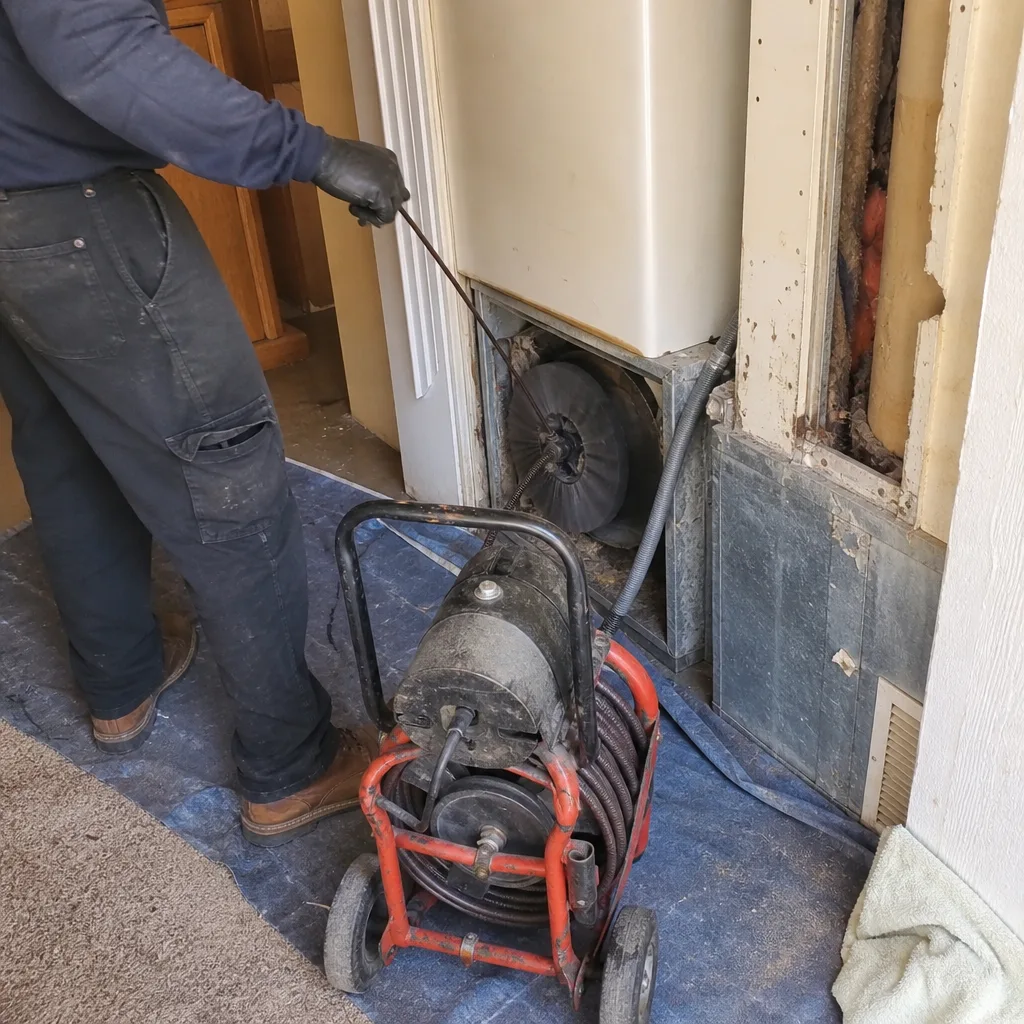 Before
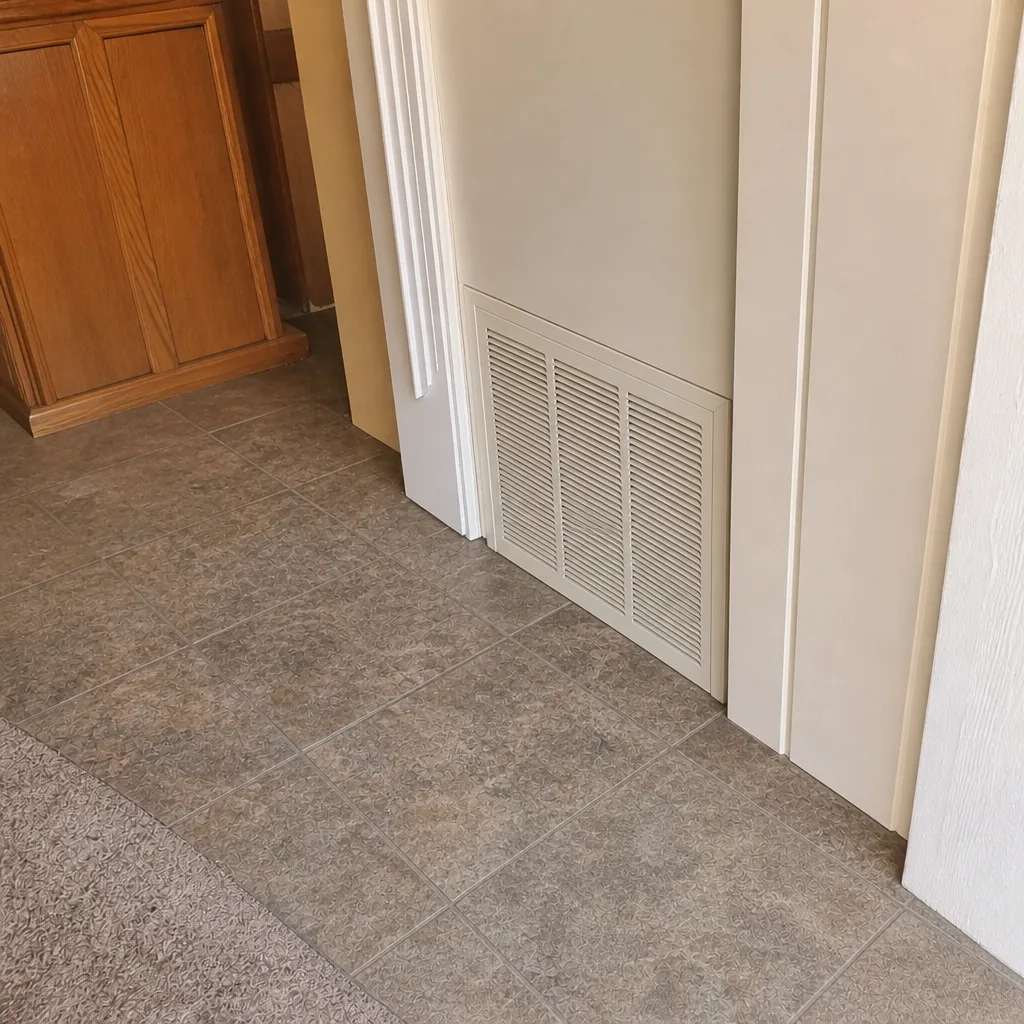 After
When to Call a Professional
Some duct issues are clearly in professional territory. If you hear whistling or hissing from vents that points to a duct breach, that’s a repair job. If you see visible dust blowing from a register when the system runs, or if a room never gets the airflow it should, the system needs inspection. Visible mold around vents, standing water in the drain pan, or a persistent musty smell that worsening doesn’t resolve all warrant a professional look. Allergy and asthma symptoms that worsen when the HVAC system runs are another signal. And any dryer that takes more than one cycle to dry a load, or leaves the laundry room feeling damp, points to lint restriction that should be addressed promptly. Morningstar Air Duct Cleaning offers free estimates in Bakersfield. Call (866) 942-8025. We answer 24/7. Fast dispatch from 7am to 7pm, Sunday through Friday.
Frequently Asked Questions
There’s no single number, because cost depends on system size, the number of registers, whether the plenum and coil area are included, and whether repair is needed. In our experience, whole-system cleaning in Bakersfield prices differently from a surface-only run, which is why estimates vary so widely. The consistent rule is that the price is set per job by a written estimate agreed before work starts, not on a per-vent teaser figure quoted over the phone. Call (866) 942-8025 for an exact quote. Estimates are free.
Cheaper quotes almost always narrow the scope. The company cleans the accessible duct runs and skips the plenum, the coil area, and the drain pan, and it uses consumer-grade vacuums rather than truck-mounted or HEPA-rated negative air machines. The result is a job that looks finished from the register but doesn’t change the air in the house. Ask what equipment will be used and what’s included, then compare like for like.
You know when you receive before-and-after photos of your own ducts, your own plenum, and your own coil area, plus airflow readings and a written findings report. Photos of the actual system, not stock images, are the proof. If a company can’t produce that documentation, the work can’t be confirmed. Call (866) 942-8025 to ask what documentation comes with the estimate.
Most homes fall into a reasonable window of every few years, but the specific interval depends on the home, the household (pets, allergies, smokers), and how recently the house was built or renovated. A new build often needs attention in the first year or two as construction dust settles out of the system. A home with pets and an allergic occupant may need to be evaluated more frequently. A short inspection tells you what your system needs; nobody can give you a number that fits every house.
Yes. Verify the contractor license through the state’s lookup tool, ask for a certificate of insurance, and check whether the company holds NADCA credentials. These are straightforward checks and any legitimate contractor expects them. It’s also reasonable to ask whether technicians are employees of the company or subcontracted, and how they access attic or crawlspace ductwork safely.
Not by itself, and it’s important to be realistic. Cleaning removes accumulated dust and debris, which can reduce what circulates through a home, but it can’t eliminate allergens or cure a medical condition. What duct cleaning can do is keep the system from being a source of debris, and that’s worth something for anyone sensitive to indoor air quality. If the home also has breached ductwork or a dirty coil, addressing those likely matters as much as the cleaning step. Call (866) 942-8025 to discuss what makes sense for your home.
The Bottom Line
Choosing a duct cleaning brand in Bakersfield comes down to three operational questions: what equipment enters the house, what’s included in the scope, and what documentation comes out at the end. Star ratings and Google reviews can’t substitute for those answers, because they don’t tell you whether the truck has a real negative air machine, the brush system agitates the duct walls, or the exhaust gets HEPA-filtered during the job. Get the specifics on scope (the plenum, coil area, and drain pan), ask about duct-repair capability, and ask for a sample report. Those questions take ten minutes, and they’re how you separate a serious IAQ contractor from a surface-level cleaning operation. Morningstar Air Duct Cleaning serves homes and property managers throughout Bakersfield. Start at Morningstar Air Duct Cleaning.
Contact
If you’re ready for a straight answer about your system, call (866) 942-8025 for a free estimate. We answer 24/7. Fast dispatch from 7am to 7pm, Sunday through Friday. Estimates are free, the price is set per job by a written estimate agreed before work starts, and you’ll receive before-and-after photography of your own ducts along with a written findings report.
Written by the team at Morningstar Air Duct Cleaning.