
Last updated November 16, 2026
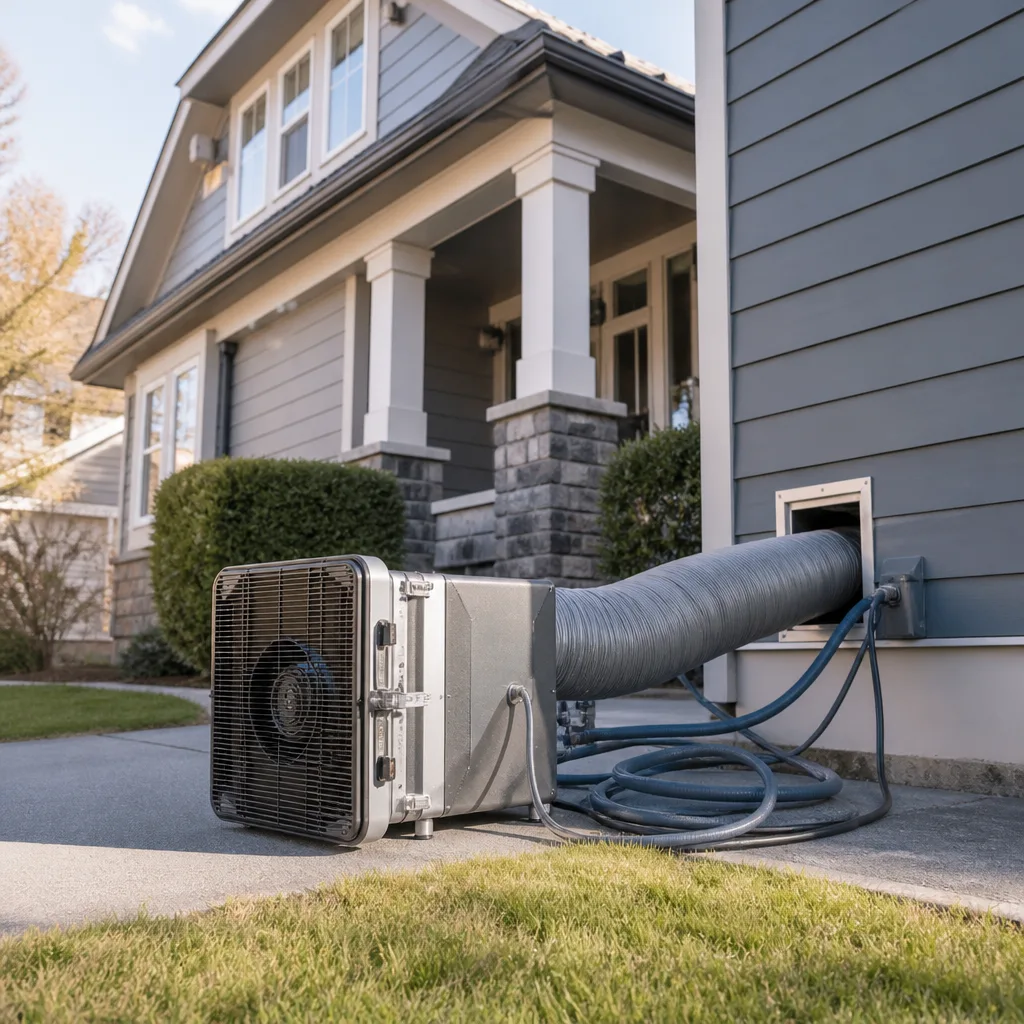 Whole-home duct cleaning
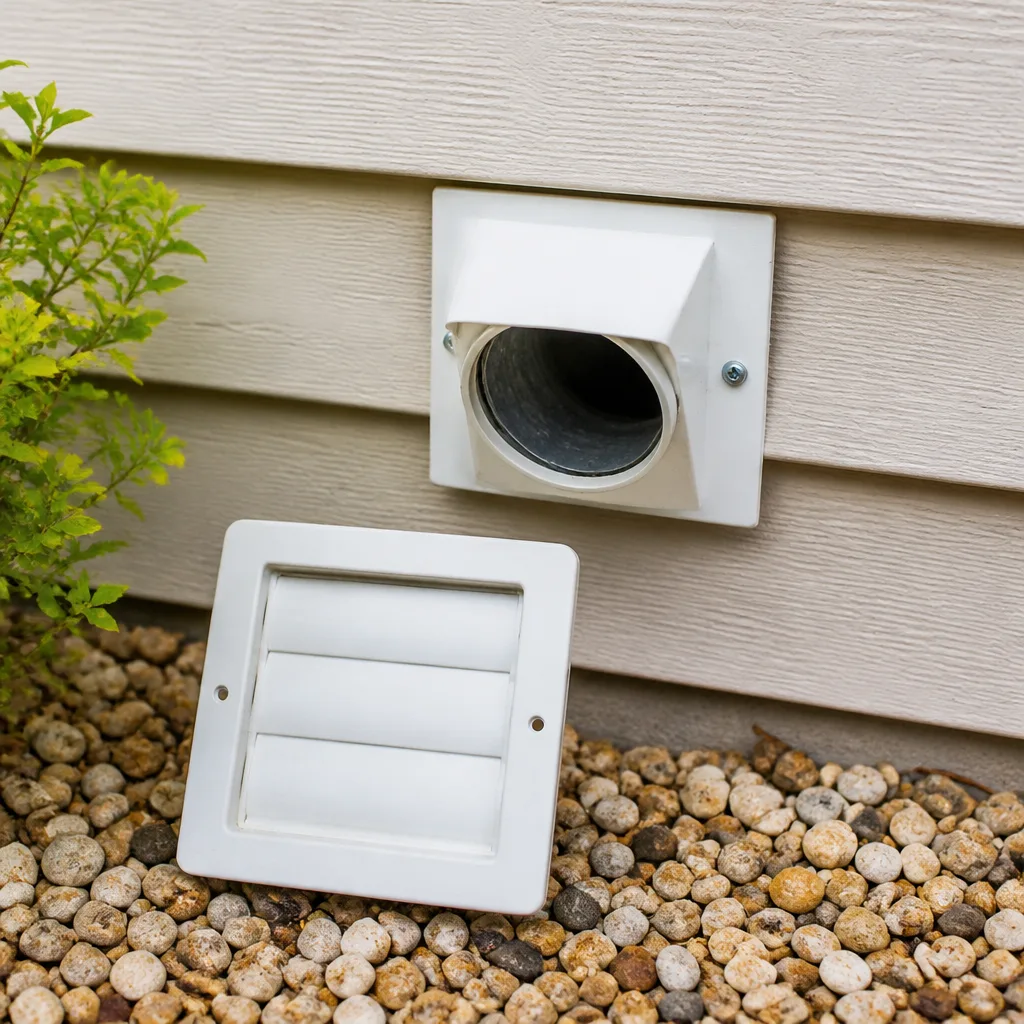 Dryer vent cleaning
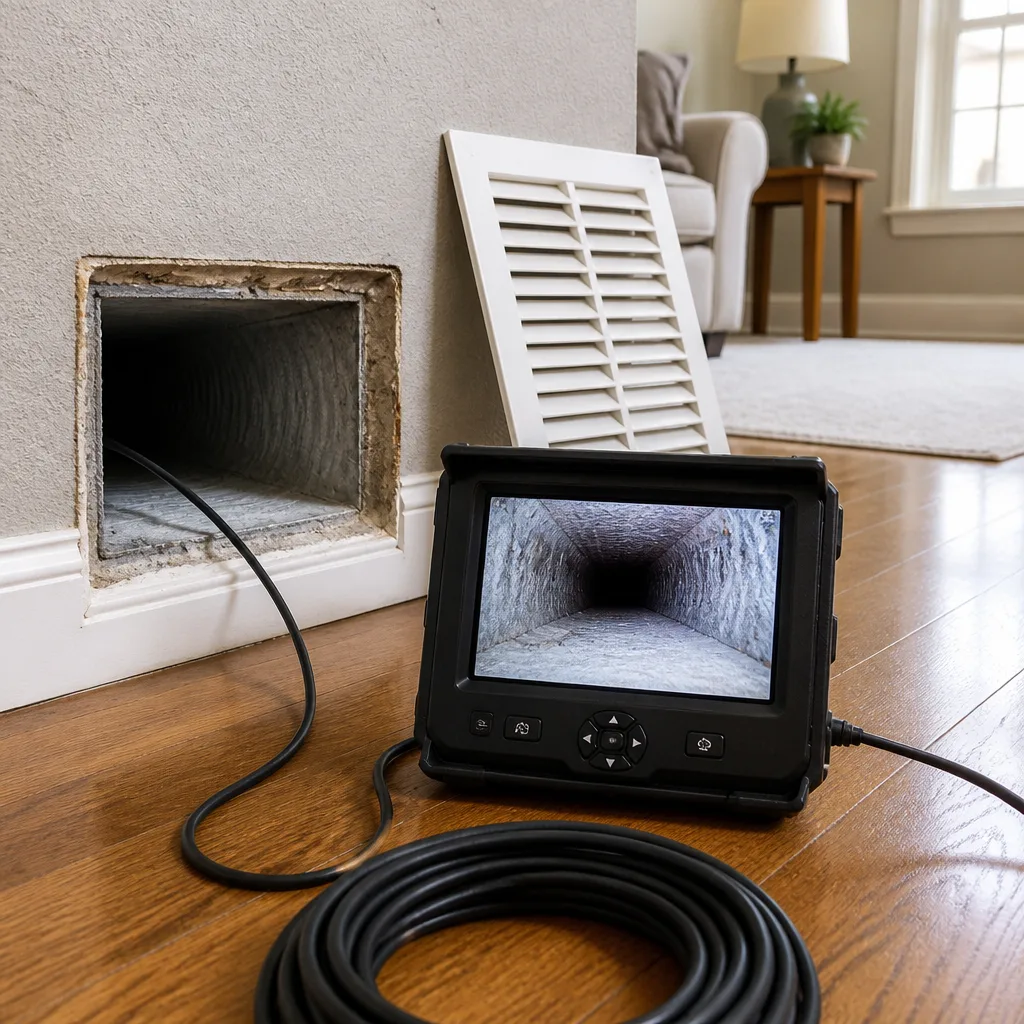 Camera inspection
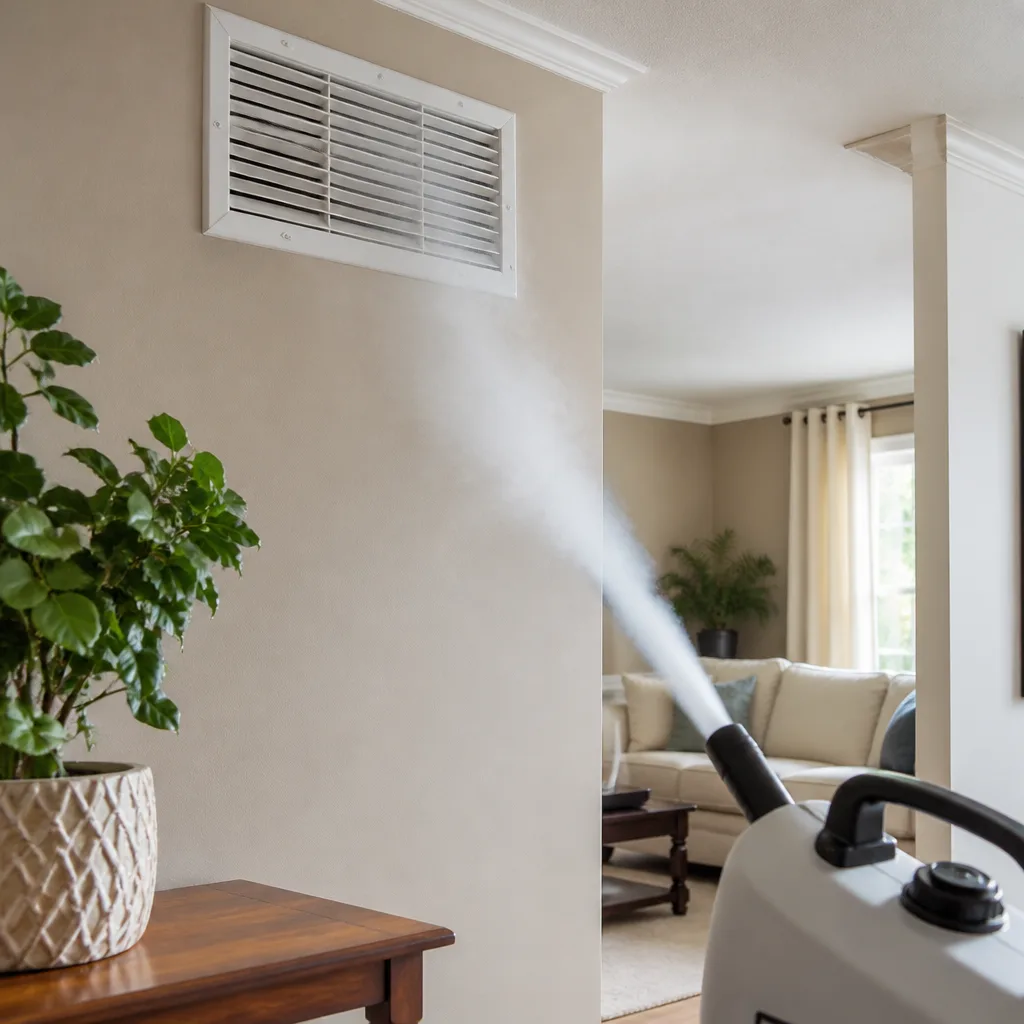 Sanitizing & deodorizing
Whole-system duct and dryer vent check with before-and-after photos - you see exactly what came out of your vents
That "$99 whole-house special" is a bait ad - the real number appears once they are in your hallway, or the "clean" is a shop-vac at the register. We photograph the inside of your ducts before and after instead.
Air Duct Cleaning Maintenance Schedule: What to Do and When
You’ve probably seen the number “every 3 to 5 years” attached to air duct cleaning, as if it were written into building code. It wasn’t. That figure appears in general guidance from the EPA, and it was always meant as a floor, a minimum interval for a home with average use and average outdoor conditions. Bakersfield doesn’t fit that profile. This valley sits among California’s worst cities for year-round particulate pollution, and many homes here run their HVAC system 8 to 10 months a year instead of the 4 or 5 you’d see in a milder climate. A schedule copied from a national article will have you cleaning too late or too early. This guide replaces the generic interval with a maintenance calendar built around how Bakersfield homes actually live, work, and breathe.
Quick Answer
In Bakersfield, most homes need a full air duct cleaning every 2 to 4 years, not the widely quoted 3 to 5, because HVAC systems here run far more hours and pull in more outdoor particulate. Homes with pets, allergies, or recent renovation should lean toward the shorter end. Filter changes stay on a separate, much faster cadence, and post-event cleanings after wildfire smoke, rodent activity, or construction dust override the calendar entirely.
Styles & brands we work with
- Whole-home duct cleaning
- Dryer vent cleaning
- Camera inspection
- Sanitizing & deodorizing
Table of Contents
- Why the “Every 3 to 5 Years” Rule Falls Short in Bakersfield
- A Bakersfield Maintenance Calendar That Matches the Climate
- Full System Clean, Register Service, or Filter Upgrade: Which Cadence Belongs Where
- Using Your Filter as a Leading Indicator
- Post-Event Triggers That Override Any Schedule
- What a Proper Maintenance Log Should Document
- What You Can Do Yourself and What Needs Professional Equipment
- Dryer Vent Cleaning: A Separate Schedule With Its Own Stakes
Why the “Every 3 to 5 Years” Rule Falls Short in Bakersfield
The 3-to-5-year guideline was written decades ago, before Bakersfield’s air quality problems drew the attention they have now. It assumes an HVAC system cycling through a few summer months and sitting idle the rest of the year. That assumption doesn’t hold here. In Bakersfield, many systems run from early spring into late fall, and some households leave the fan running year-round for air circulation. The more hours your system moves air, the more dust, pollen, and fine particulate it deposits inside the ductwork.
During our work in Bakersfield, we’ve seen how the surrounding agricultural activity, seasonal inversions that trap air in the valley, and long dry stretches all feed into what collects in a home’s duct system. Outdoor particulate events aren’t rare here. They’re part of the annual rhythm. A schedule designed for a temperate climate with clean air simply underestimates the load.
So the honest answer to “how often” isn’t a single number. It’s a formula:
- Occupancy type: A household with pets, young children, or someone with asthma or allergies accumulates duct debris faster and needs a tighter interval.
- HVAC run-hours: A system running 8 to 10 months a year moves far more air than one running 4 to 5. More run-hours means more accumulation, faster.
- Outdoor particulate events: Wildfire smoke, dust storms, and construction in the area push debris into ductwork regardless of how clean your home otherwise stays.
Two houses on the same block can land on very different schedules depending on those three variables. That’s the point. The number isn’t universal; the variables are.
A Bakersfield Maintenance Calendar That Matches the Climate
A maintenance calendar for a Bakersfield home should follow the local seasons rather than the national default. Here’s how we think about the year, split into what needs doing when:
Early Spring (March to May)
Before the long cooling season begins, this is the natural time to inspect the system and decide if a full cleaning is due. High run-hours are about to start, and a system entering summer with heavy accumulation will circulate that debris for months. Check the filter, look at the registers, and note anything unusual.
Summer (June to September)
Peak HVAC season in the valley. Systems here can run almost continuously during the hottest stretches, pulling large volumes of air through the ductwork. Expect filters to load faster. After any wildfire smoke event that pushes particulate into the valley, assess whether the ducts have absorbed it.
Fall (October to November)
A good window for a full system cleaning if one is due, before heating season kicks in. It also gives you clean ductwork heading into the period when homes are closed up more and air circulation matters most for indoor air quality.
Winter (December to February)
The mildest stretch but still active for heating. Filter changes continue on schedule. This is when many homes notice dust or a stale smell and start wondering about ductwork they can’t see.
Every 24 to 48 months
Depending on the variables above, a full system cleaning falls somewhere in this range for most Bakersfield homes. Pet-heavy households, homes near active construction, and homes with allergy sufferers should sit toward the 24-month end.
This isn’t a rigid rulebook, and the right schedule for your home comes from how your system behaves. What matters is separating the fast moves (filters, inspections) from the slow moves (full system cleaning) so neither gets neglected.
Full System Clean, Register Service, or Filter Upgrade: Which Cadence Belongs Where
Not every air quality need is a full duct cleaning. Confusing the tiers is one of the most common ways homeowners waste money or skip something that actually matters. Here’s how we separate them.
Full System Cleaning: Every 2 to 4 Years
This is the deep clean of the whole network: supply and return ducts, the air handler, and the connections in between. It addresses accumulated debris across the entire system, not just the spots you can reach. In Bakersfield’s run-hours and particulate load, most homes should plan on this every 2 to 4 years. Full system cleaning done properly uses professional-grade equipment such as Rotobrush and Nikro systems, the same class of tooling found in commercial and industrial air quality work, rather than consumer shop vacuums.
Targeted Register and Grille Service: As Needed
Registers and grilles are the front line, the visible vents in each room. They collect dust fast because they’re the last point before air enters the room. A targeted service on these doesn’t replace a full system clean, but it’s useful between deep cleans if a particular room runs dusty. Think of it as spot maintenance on the surface you interact with daily.
Filter Upgrade: A Continuous Habit
The filter is not duct cleaning. It’s the gatekeeper that determines how much debris ever reaches the ductwork. A better filter, changed on the right cadence, reduces what accumulates downstream. What it doesn’t do is remove what’s already inside the ducts. Upgrading your filter is the cheapest, highest-leverage move in the whole system, and it’s on a much faster clock than everything else. We cover it in its own section because it deserves one.
Whole-Home IAQ Systems: Worth Understanding
If your home has a Honeywell or Aprilaire whole-home air quality system, those components belong in the maintenance conversation too. They’re part of the same ecosystem as the ducts, and a technician who understands them can keep the whole system working together rather than treating ductwork in isolation.
Using Your Filter as a Leading Indicator
Your filter is the single best diagnostic tool you have for understanding your duct load. It’s cheap, replaceable, and it tells a story. Here’s how to read it.
What to Look For on a 30-Day Filter
- Uniform light gray dust: Normal loading. Your duct system is depositing typical household debris at a moderate rate. Your interval is probably fine.
- Dark, heavy patches or soot tint: Soot and smoke fallout. If wildfire smoke has been in the valley or you’ve had a fireplace or candle use, this is a signal. Consider moving your full cleaning forward.
- Visible fibers, pet hair, or grit: Elevated debris. Pet-heavy homes and homes near construction will show this. This is your cue to shorten the interval.
- Filter face loaded but edges clean: Air bypass. The filter isn’t seating properly, and unfiltered air is bypassing it into your ducts. That’s a problem worth having inspected.
- Discoloration within days of a new filter: Something is actively depositing debris into your system. Rather than just replacing filters more often, find out why.
The color and pattern matter more than the “change it every 30 days” calendar. In Bakersfield, many homes load filters faster than the label suggests because the system is running far more hours. Use the 30-day check as a benchmark, then adjust. A filter that’s heavy at 30 days is telling you the duct load is high. A filter that’s still light at 60 days tells you the system is running clean. Trust the filter over the calendar.
Post-Event Triggers That Override Any Schedule
Some events push duct debris into your system regardless of where you were on the calendar. These override time-based schedules entirely.
Wildfire Smoke Infiltration
When wildfire smoke drifts into the Bakersfield valley, particulate fine enough to bypass many filters settles into ductwork. The smell and the residue can linger long after the air outside clears. If your home took in noticeable smoke, plan an inspection and likely a cleaning rather than waiting out your normal interval.
Rodent Activity
Mice and other small animals find their way into ductwork, and their presence brings debris, droppings, and contamination that a standard cleaning interval never accounts for. This is one of the triggers that demands professional handling rather than a filter change. It’s also where containment matters. Professional work deploys air filtration like Abatement Technologies equipment to capture particulate during cleaning, keeping it from spreading through the home.
Renovation and Construction Dust
Any significant renovation, drywall work, or nearby new construction sends fine dust into the air, where it settles into the duct system. Even with good filters, a renovation often means a full cleaning should follow behind it.
New-to-You Home
If you’ve moved into a Bakersfield home, you don’t know its cleaning history. A baseline cleaning and inspection gives you a known starting point rather than guessing at what’s inside the ductwork.
Flooding or Water Intrusion
Water getting into ductwork creates a different problem than dust. Moisture in ducts can support mold growth, and that requires professional assessment rather than a routine cleaning. Don’t treat water intrusion as a normal maintenance event.
What a Proper Maintenance Log Should Document
One of the most valuable habits for protecting your indoor air quality over the long haul is keeping a maintenance log. Yet most homeowners never get one, and the next technician starts from zero. A good log turns each service from an isolated event into a data point you can compare.
After each service, the log should document:
- Date of service and what was done: Full system clean, register service, or a specific repair. Note whether the ducts were cleaned, treated, or repaired, since those are distinct steps.
- Baseline condition observed: What the technician found, roughly speaking. Heavy or light accumulation, any debris visible at the registers, any breached connections found.
- Equipment used: Which system was deployed. Rotobrush and Nikro equipment, for example, and whether Abatement Technologies filtration was used for containment.
- Filter type and replacement date: This is the fastest-moving data in the log. Track it so you can spot accelerating load.
- Repairs made: Any system breaches found and corrected. A breach silently erases the value of a cleaning, so documenting repairs matters.
- Before-and-after documentation: Photos of your own ductwork, taken during the job. A professional cleaner should be able to show you what was there and what changed.
- Next recommended interval: What the technician concluded based on what was found. That recommendation plus your filter observations gives you the next date.
A log like this lets a technician compare one visit to the next instead of guessing. If debris load is increasing faster than last time, the schedule should tighten. If it’s lighter, you can stretch it. That’s data driving the decision rather than a one-size-fits-all interval.
What You Can Do Yourself and What Needs Professional Equipment
Some of the maintenance schedule is genuinely yours to handle. Other parts need equipment most homes don’t have and shouldn’t try to replicate.
What You Can Do
- Replace filters on a benchmark schedule: Every 30 to 90 days depending on what your filter shows. Read your filter, not just the calendar.
- Vacuum registers and grilles: A vacuum with a brush attachment on the visible surface of registers helps between deeper services.
- Inspect for signs of trouble: Look for dust blowing from vents, a stale smell, or any visible debris around registers.
- Keep a maintenance log: Track what you do, when you do it, and what condition you observe.
- Address moisture: If you see water intrusion into ductwork, treat it as urgent and call a professional. Don’t attempt to clean around it.
What Needs Professional Equipment
Deep cleaning of the full duct network involves getting into spaces you can’t reach with household tools, using equipment that moves air and debris in controlled ways. Professional cleaners use commercial-grade tools to agitate and remove debris, then capture it with high-capacity filtration rather than blowing it into the room. That’s where the difference between a real cleaning and a shop vacuum shows up. Some of this work also touches components that carry genuine risk if handled incorrectly. A technician working near system wiring or a gas furnace needs to know what they’re doing, and a homeowner shouldn’t be opening those parts themselves.
A proper service will also include Air Duct Repair capability to find and fix the breaches and disconnects that quietly waste a cleaning, plus the option of protective treatments such as Morningstar Air Duct Cleaning offers as part of the full-service scope. Treating the system after cleaning helps it stay protected, but the treatment is the last step, not the whole job.
Dryer Vent Cleaning: A Separate Schedule With Its Own Stakes
Air duct cleaning and dryer vent cleaning are two different systems with two different risks, and many homeowners treat the dryer vent as an afterthought. That’s a mistake, because the dryer vent schedule is about fire risk, not just dust.
Lint builds up in dryer vent lines as every load of laundry runs, and that lint is highly combustible. A clogged vent traps heat and lint together, the exact combination behind a large share of home dryer fires. The risk is real enough that most manufacturers recommend checking the vent annually. Here in Bakersfield, where systems run hard and lint accumulates fast, it’s worth treating that check as a fixed point on the calendar.
Signs your dryer vent needs attention:
- Clothes take longer than one cycle to dry
- The dryer feels unusually hot to the touch on top or at the door
- A burning smell during or after a cycle
- Lint visible at the exterior vent or around the connection behind the dryer
- It’s been a year or more since the last professional cleaning
Dryer vent cleaning is worth scheduling alongside any full home maintenance review. It’s a dedicated fire-risk reduction service, and it’s the kind of thing that’s easy to put off and harder to forgive. Our dryer vent cleaning work treats the vent as a safety system, not a side item.
Common Mistakes to Avoid
- Following the 3-to-5-year rule as if it were law. That figure is a floor, not a universal interval. In Bakersfield’s run-hours and particulate load, most homes should be on a 2-to-4-year cleaning cycle, and a national article won’t tell you that.
- Replacing the filter and calling the ducts clean. A new filter protects what enters the system from here on, but it doesn’t remove what’s already inside. Those are two different jobs on two different cadences.
- Ignoring the filter within days of replacing it. A filter that loads fast is telling you something about duct load. Replacing it without noticing the pattern means skipping the diagnostic that matters.
- Waiting out the calendar after a wildfire smoke event or renovation. Both push debris into the system regardless of schedule. Waiting until your 3-year mark leaves contaminated ducts circulating air for months.
- Never keeping a log. Each visit without a record starts from zero. You can’t compare baseline to current, and you can’t spot accelerating load.
- Hiring a cleaner who doesn’t check for system breaches. A cleaning done on ducts that have disconnected connections can leave clean-looking work that’s circulating unfiltered air. Air duct repair should be part of the conversation.
- Skipping the dryer vent because the dryer still dries. Slow drying is the late signal. Lint buildup is the fire risk, and it accumulates quietly regardless of how well the dryer appears to work.
See the difference
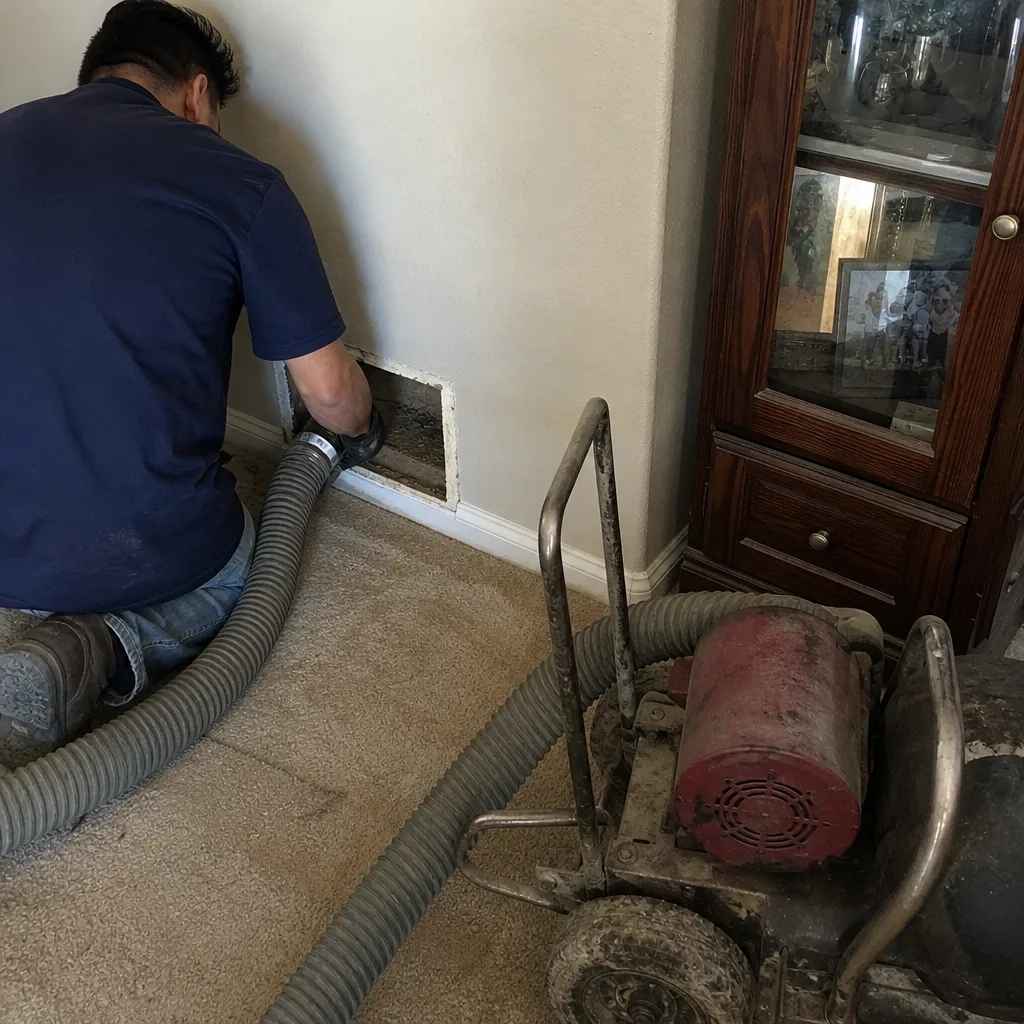 Before
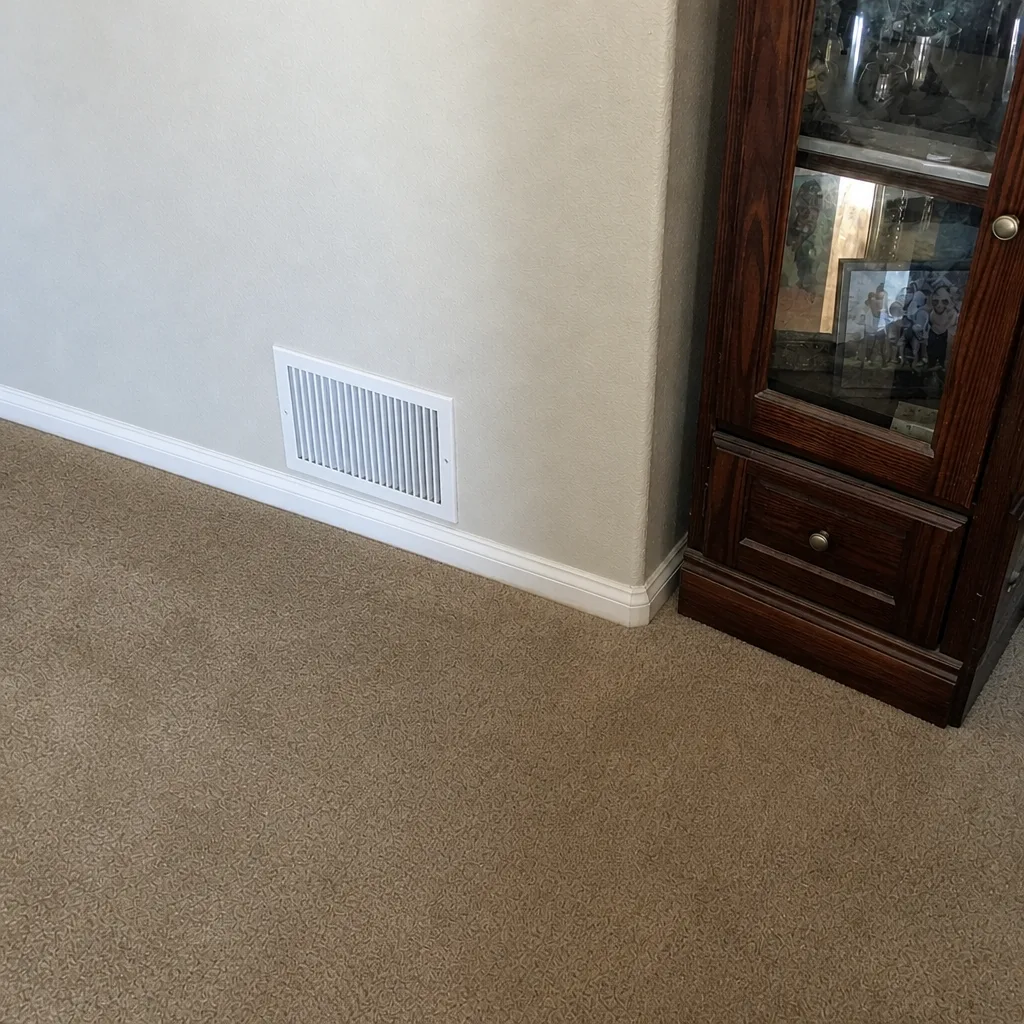 After
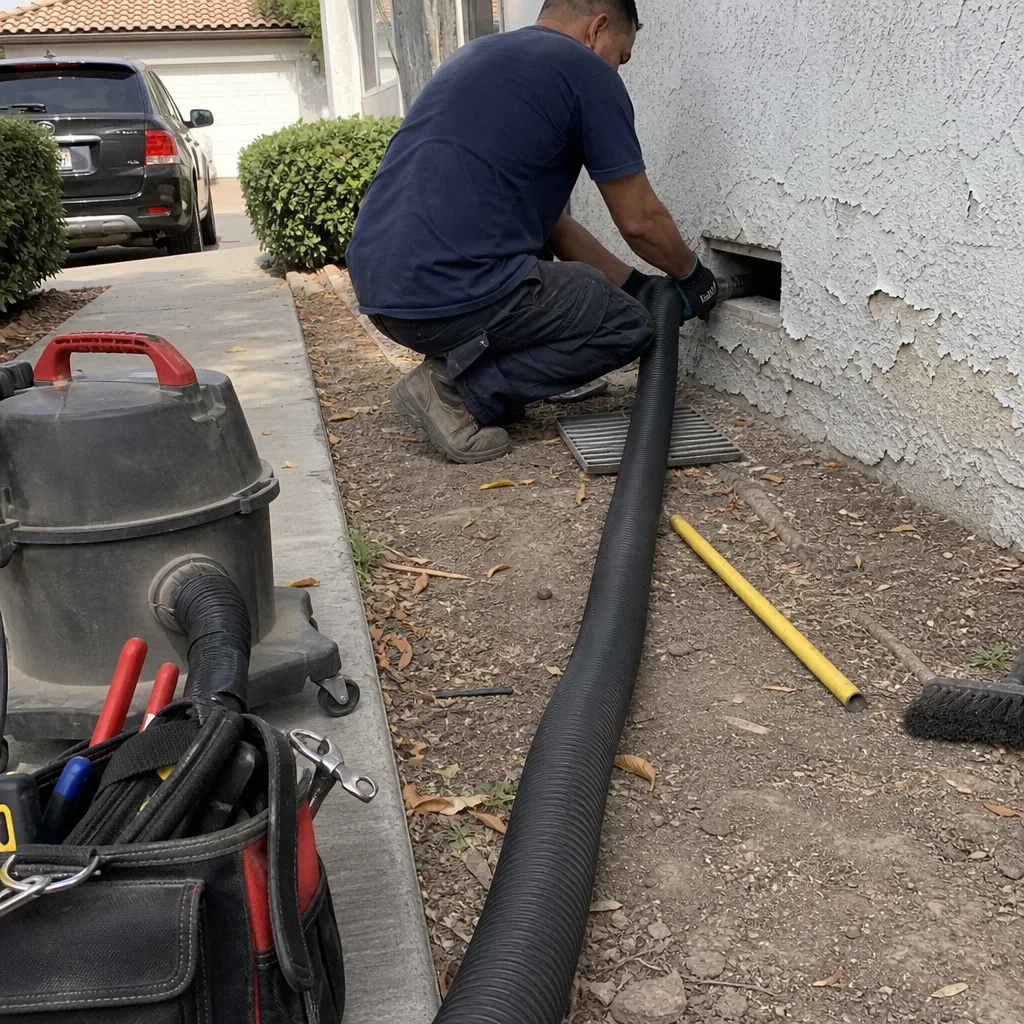 Before
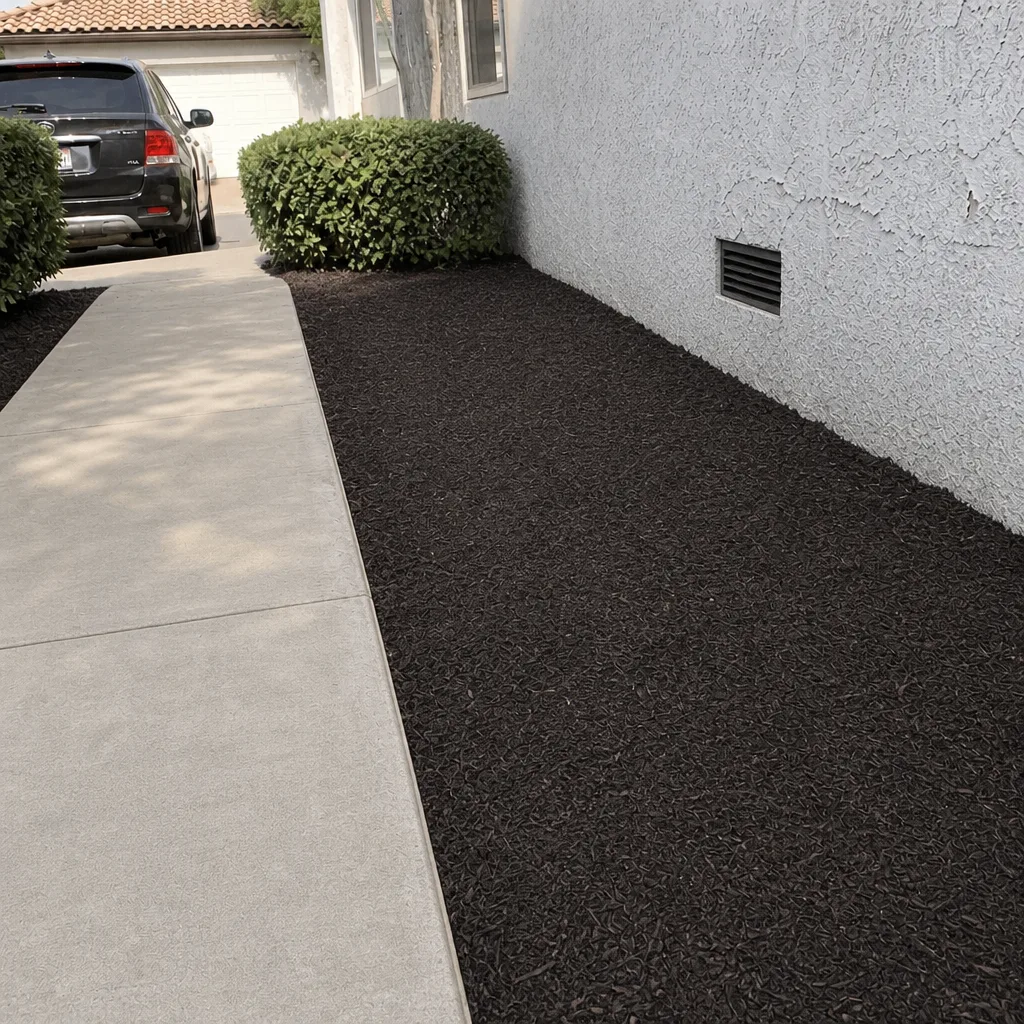 After
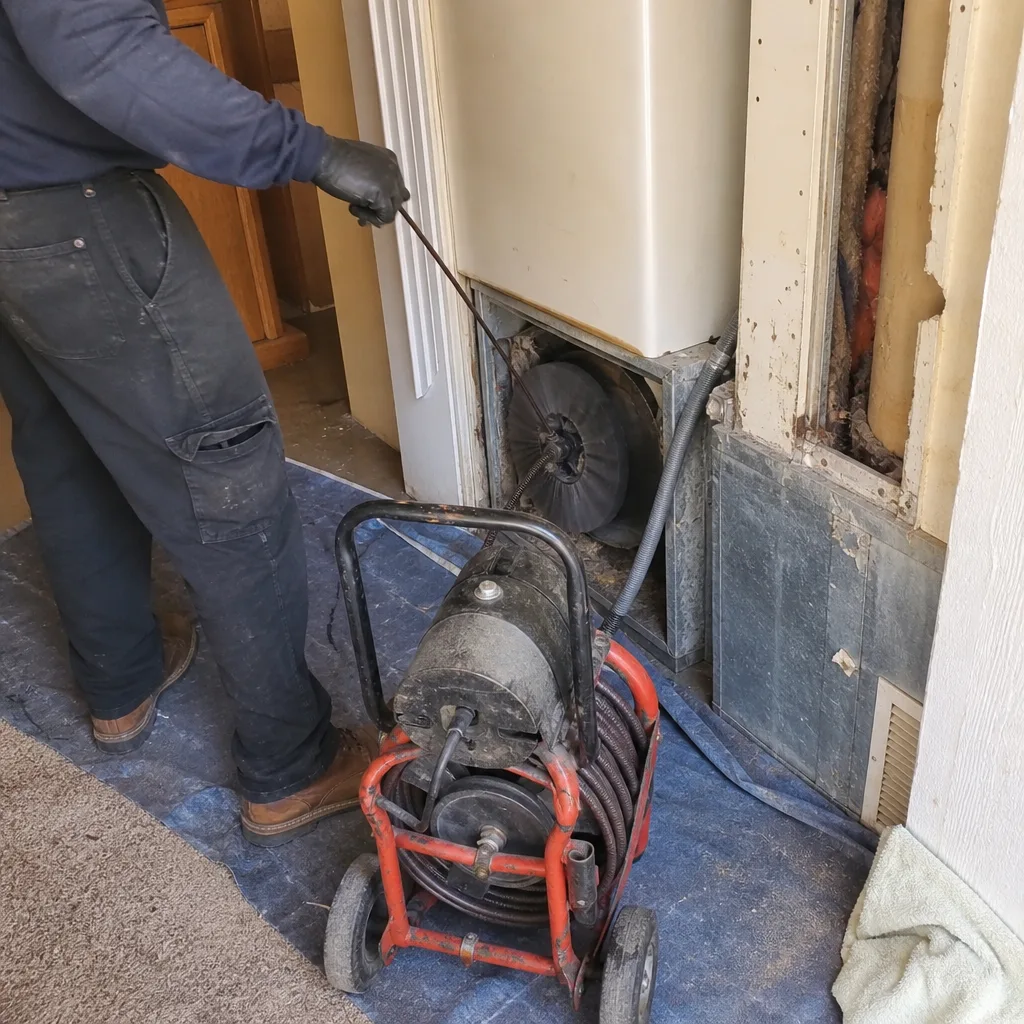 Before
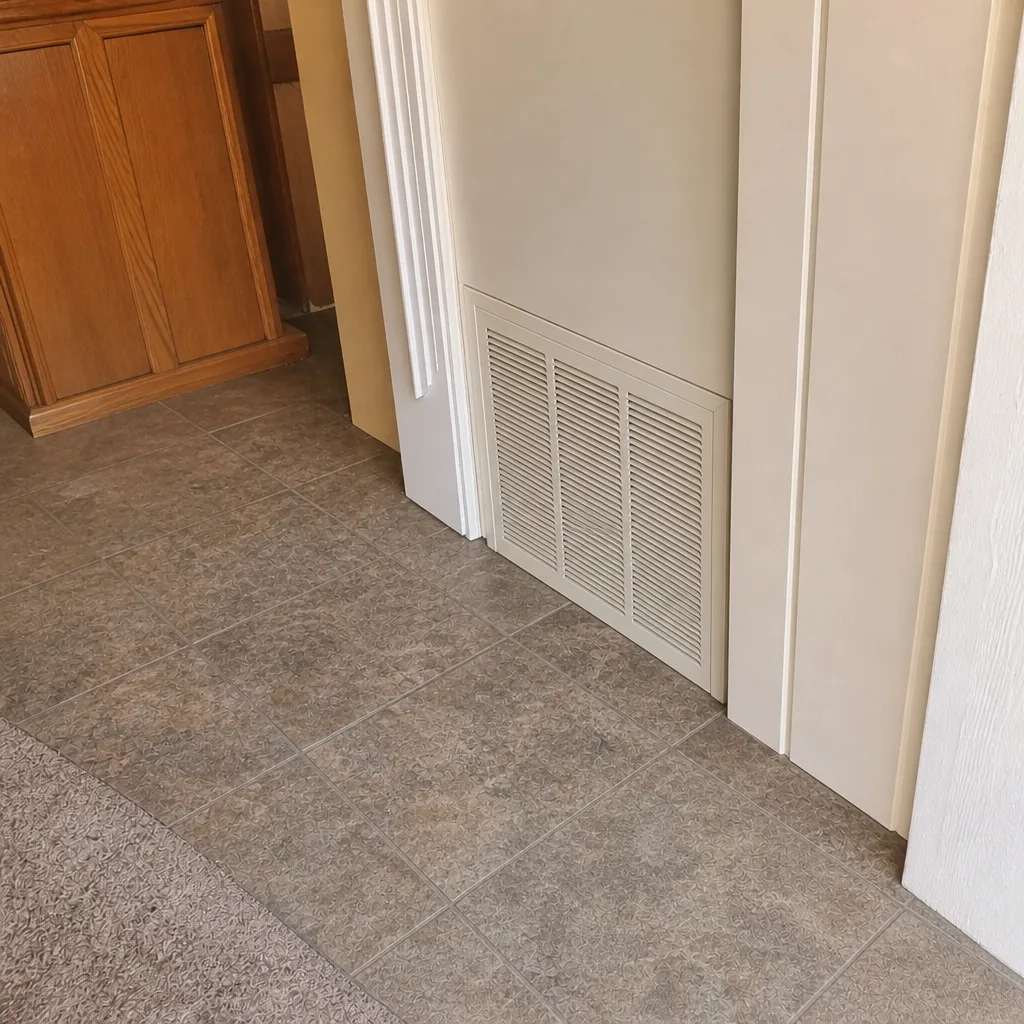 After
When to Call a Professional
Some situations call for professional eyes rather than a check by the homeowner. Call a professional if you notice visible dust blowing from your vents after cleaning the registers, a stale or musty smell you can’t trace, or debris patterns that suggest a system breach. Call promptly after any wildfire smoke event that left a lingering smell, after rodent activity in the home, or following a renovation that generated significant dust. Also call if you’ve just moved into a Bakersfield home and don’t know its cleaning history, or if your dryer takes longer than a cycle to finish and the vent hasn’t been serviced. If you’ve never seen inside your ductwork and want a baseline for a real maintenance schedule, that’s the best reason of all. Morningstar Air Duct Cleaning offers free estimates in Bakersfield. Call (866) 942-8025. We answer 24/7. Fast dispatch from 7am to 7pm, Sunday through Friday.
Frequently Asked Questions
Most Bakersfield homes should plan on a full air duct cleaning every 2 to 4 years. That’s shorter than the widely quoted 3-to-5-year figure because HVAC systems here run 8 to 10 months a year and pull in more outdoor particulate. Homes with pets, allergies, or recent renovation should stay toward the shorter end. Call (866) 942-8025 for a free estimate on where your home falls.
The honest answer is that it depends on your system size and condition, so we set one flat price per system after a free estimate and agree it in writing before any work begins. We don’t quote per-vent prices or teaser coupon rates, because those numbers tend to grow once the technician is on site. The written estimate sets the final price. Call (866) 942-8025 to schedule your estimate.
No. A filter protects what enters the system going forward, but it doesn’t remove the debris already deposited inside the ductwork. Those are two separate jobs on two separate schedules. Change the filter on its own fast cadence, and plan the full system cleaning on its slower one. Call (866) 942-8025 to find out whether buildup in your ducts has passed the point where a filter change alone will help.
No, it isn’t a code requirement or a law. It appears in general EPA guidance as a minimum interval for homes with average use and average air conditions. Bakersfield’s particulate load and long HVAC run-hours mean most homes here should be on a shorter interval than that guidance implies. Call (866) 942-8025 and we’ll walk through what your system actually needs.
A proper service should provide before-and-after photos of your own ductwork, showing both what was there and what changed. We use professional-grade Rotobrush and Nikro equipment and deploy Abatement Technologies air filtration for containment during the job. Documentation of both should be part of the service. Call (866) 942-8025 to book an estimate and ask what documentation you’ll receive.
Two signs point to cleaning early: a lingering smoke or musty smell that doesn’t clear on its own, and a filter that discolors within days of replacement. Either one suggests the ducts have absorbed particulate and your scheduled interval has been overtaken. Call (866) 942-8025 and describe what you’re seeing; a free estimate gives you a clear answer.
The Bottom Line
The “every 3 to 5 years” number most articles repeat is a floor, not a schedule. In Bakersfield, most homes should clean their air ducts every 2 to 4 years, because the system runs long hours and the air carries more particulate than the national guidance assumes. Filter changes stay on their own fast cadence and function as your best leading indicator. Post-event triggers like wildfire smoke, rodent activity, and renovation dust override the calendar entirely. Keep a log so each service can compare against the last. Handle the fast moves yourself, bring in professional equipment for the deep cleans, and use a proper cleaning as a reason to find and fix any system breaches while you’re at it. If you want a baseline for your home’s schedule, Morningstar Air Duct Cleaning offers free estimates in Bakersfield. Call (866) 942-8025. We answer 24/7. Fast dispatch from 7am to 7pm, Sunday through Friday. Our technicians have up to experience, and we can also schedule air duct cleaning for a full-system scope that includes repair and treatment as needed.
Written by the team at Morningstar Air Duct Cleaning.