
Last updated November 16, 2026
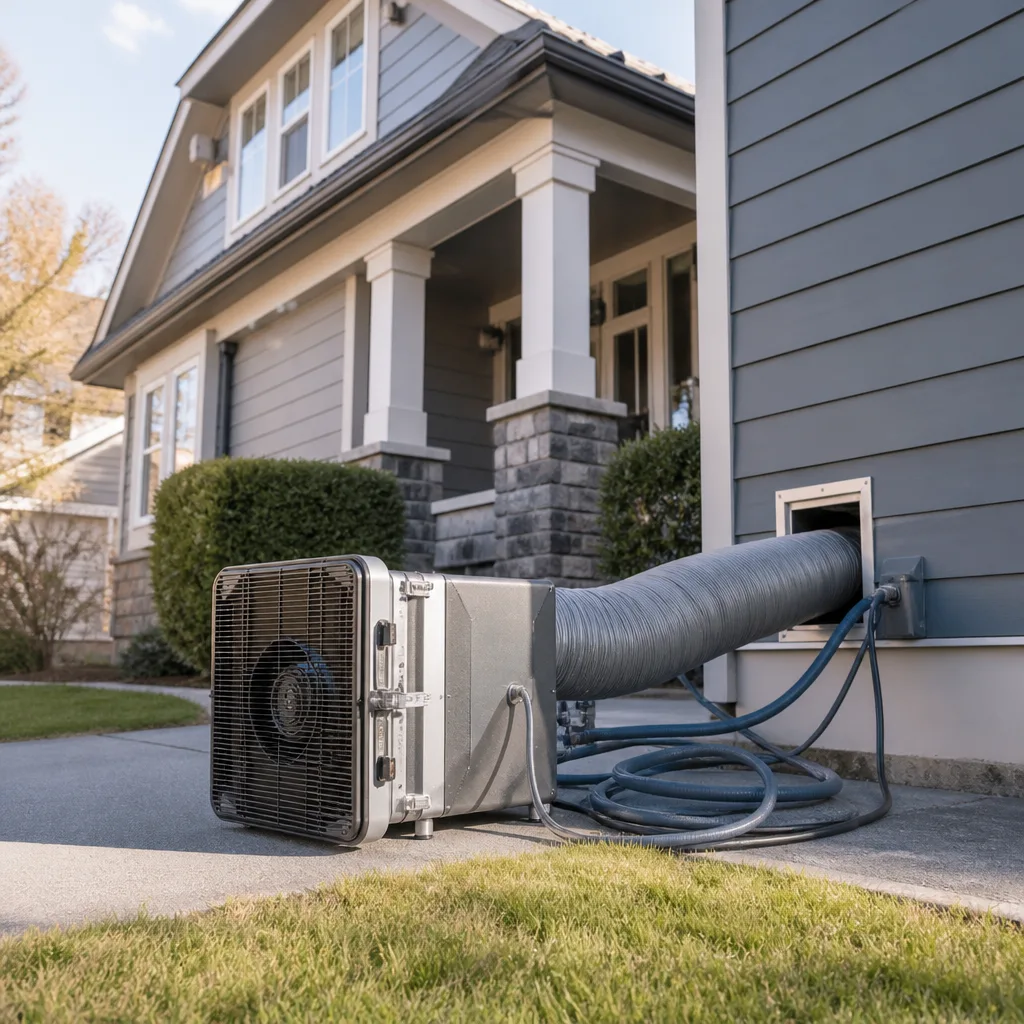 Whole-home duct cleaning
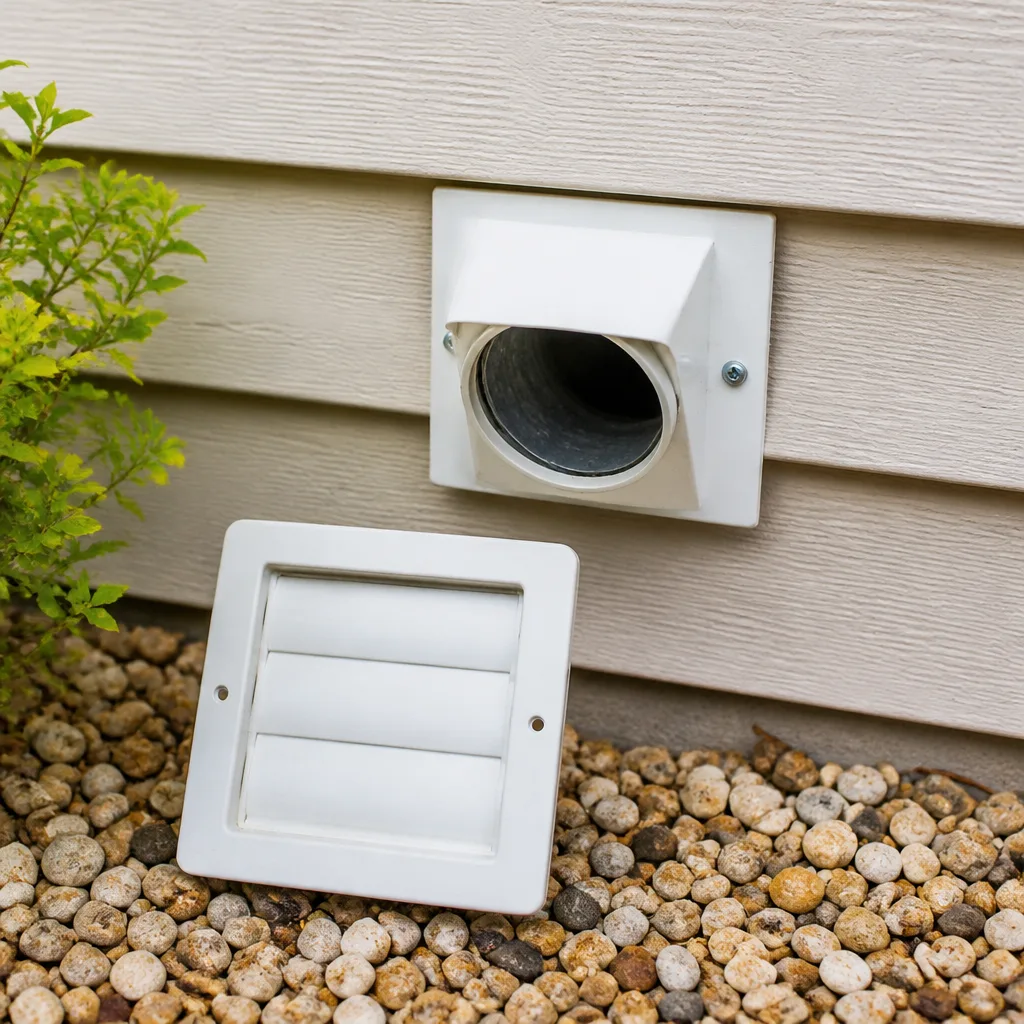 Dryer vent cleaning
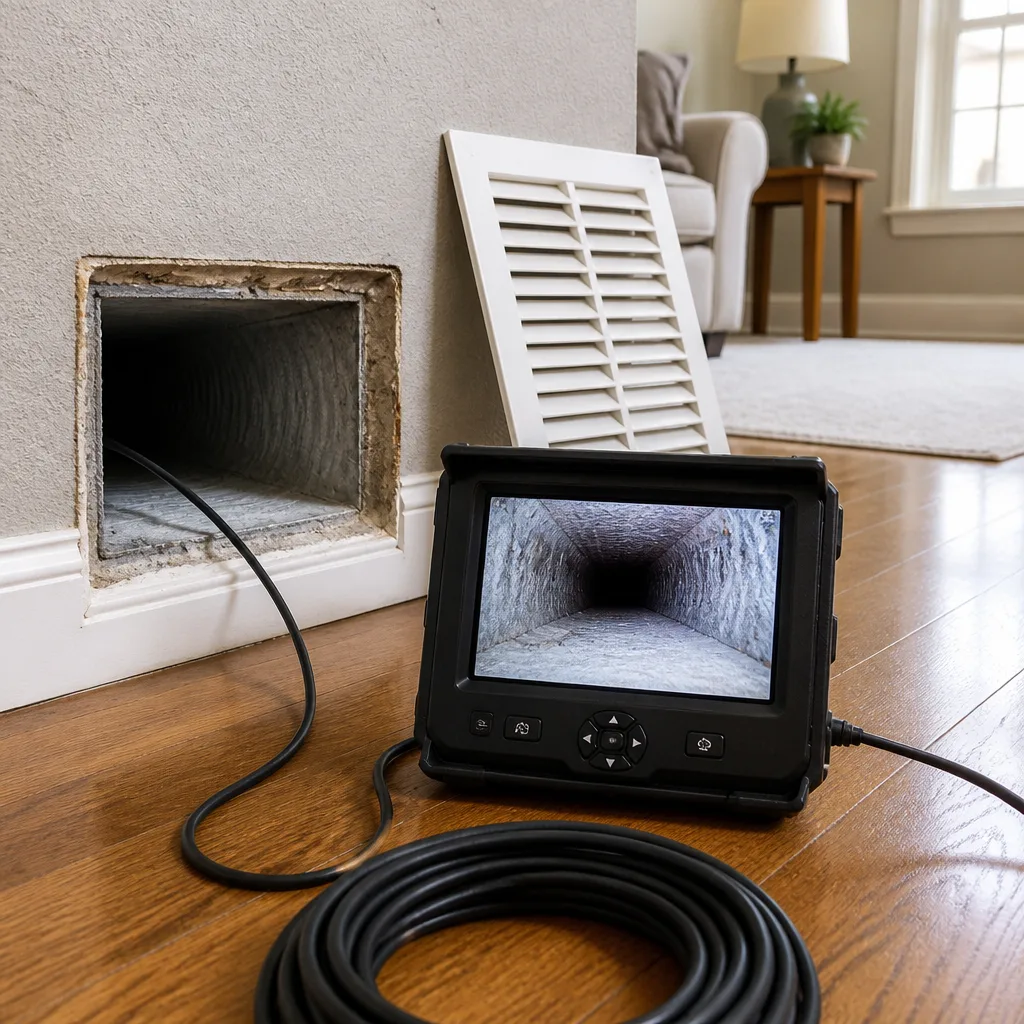 Camera inspection
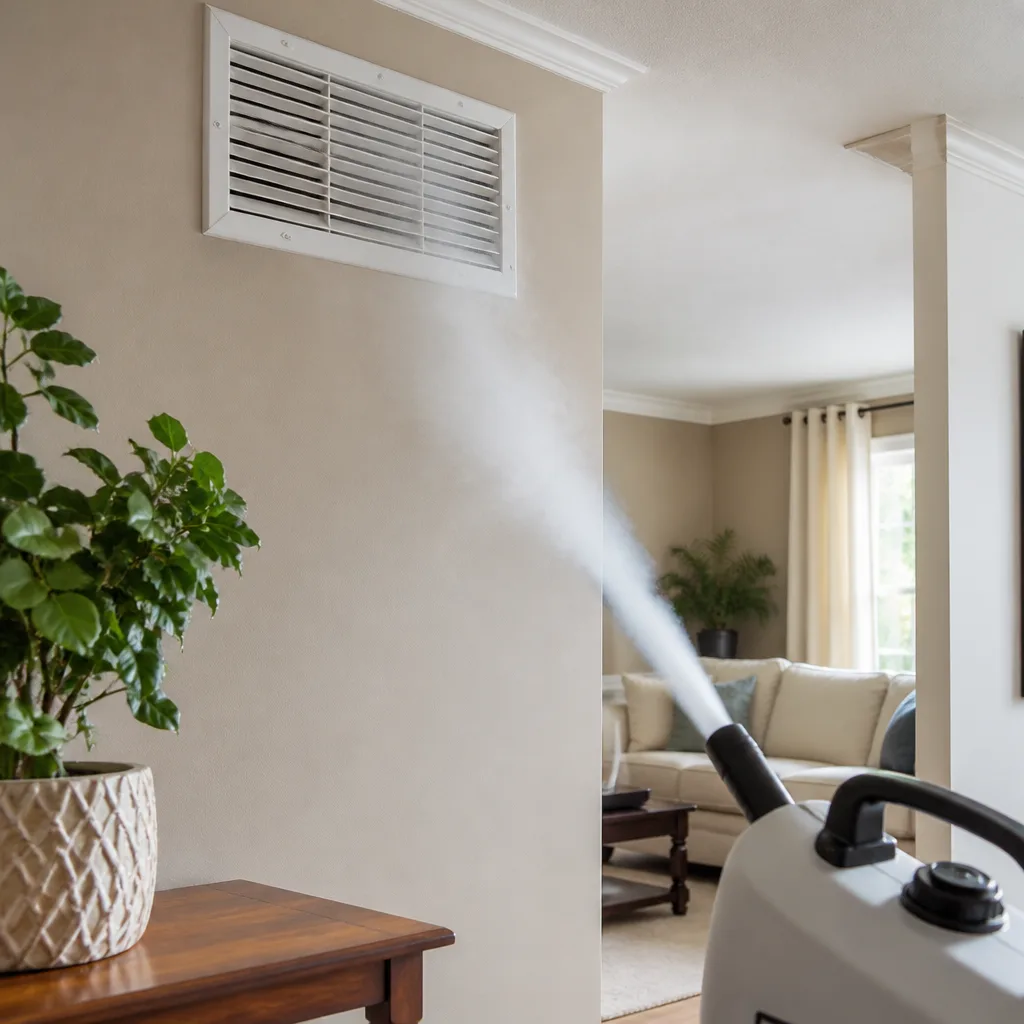 Sanitizing & deodorizing
Whole-system duct and dryer vent check with before-and-after photos - you see exactly what came out of your vents
That "$99 whole-house special" is a bait ad - the real number appears once they are in your hallway, or the "clean" is a shop-vac at the register. We photograph the inside of your ducts before and after instead.
Seasonal Air Duct Cleaning Care for Bakersfield: Year-Round Homeowner’s Guide
Most duct cleaning advice you’ll read was written for a place with four even seasons. Bakersfield doesn’t have those. What we have is a harvest dust season, a winter inversion, and a long summer that keeps the air conditioner running hard for months. That shape changes when a duct system gets dirty and when it pays to do something about it. Cleaning in October here is like mopping a floor during a dust storm: the San Joaquin Valley harvest is still filling the air with the exact particles your ducts will pull straight back in. This guide maps Bakersfield’s air quality calendar to how your duct system loads up through the year, and explains why the spring window gets you more clean air per dollar than any other time.
Quick Answer
The best time of year for air duct cleaning in Bakersfield is late February through April. Tule fog season is over, pollen is rising but the summer AC marathon hasn’t started, and your system can be cleaned and sealed before it spends months pulling valley air through the house at full speed. If you miss that window, the second-best timing is right after harvest season ends in November, once the dust has settled and before you close up the house for winter.
Styles & brands we work with
- Whole-home duct cleaning
- Dryer vent cleaning
- Camera inspection
- Sanitizing & deodorizing
Table of Contents
- Bakersfield’s Air Quality Calendar and How It Loads Your Ducts
- Why Late February Through April Is the Highest-Value Cleaning Window
- What a Bakersfield Summer Does to Your Duct System
- The Fall Harvest Protocol: Registers and Filters During Peak Dust
- Winter Inversions, Tule Fog, and the Indoor Air You Can’t See
- How to Use Kern County AQI Alert Days All Year
- Clean, Treat, and Repair: Why the Full System Matters
- Dryer Vent Cleaning and Fire Risk: A Separate Schedule
Bakersfield’s Air Quality Calendar and How It Loads Your Ducts
A duct system doesn’t get dirty at a steady rate. It loads up in bursts that follow the weather outside, and in Bakersfield those bursts are predictable enough to schedule around. Understanding the calendar is the difference between cleaning when it counts and cleaning on a random Tuesday in the worst month for it.
Here’s how the year breaks down for a typical Bakersfield home:
- January and February – tule fog season. Damp, still air holds fine particulate close to the ground. The system runs lightly. Contamination accumulates slowly, but the fine dust that does settle is the kind that clings to duct walls.
- March and April – the clean window. Fog clears, temperatures are mild, and the air conditioner hasn’t started its summer run. Contamination loading is at its yearly low. This is the ideal moment to clean and repair.
- May through September – the summer marathon. The AC runs many hours a day. Every hour it runs, the return side pulls air from the house and any leak in the system pulls in air from the attic or crawlspace. This is when accumulation happens fastest.
- August through November – harvest season. Agricultural dust from the valley’s harvest activity fills the air. Your filter and registers take the brunt, and the load on the system goes up sharply.
- Late November and December – the reset. Dust settles, windows stay shut, the heater comes on. A second-best cleaning window if spring was missed.
The counterintuitive part: the cleanest month inside your ducts is right before the dirtiest months outside the house. That’s precisely why spring cleaning pays off. You start the grind with an empty system instead of one that’s already half full.
Why Late February Through April Is the Highest-Value Cleaning Window
We’ve walked into Bakersfield homes in July that were cleaned in the previous spring and found the return plenum already coated with a visible layer of dust. We’ve also walked into homes cleaned in the previous fall and found the same. Timing is not a marketing talking point; it changes what you get for the same job.
Here’s what the spring window actually delivers:
- Post-tule-fog, pre-AC. The fog season leaves fine particulate behind, but it’s settled and catchable. Once May arrives and the AC starts its daily long run, that same dust becomes airborne again.
- Lowest contamination baseline. Cleaning when the system is at its lightest load means the professional equipment reaches the full duct wall, not just the top layer.
- Time to repair before summer. If the air duct repair scope reveals a disconnected joint, a crushed flex run, or a breached return plenum, you have weeks to fix it before the AC run rate climbs.
- Comfortable working conditions. Attic and crawlspace work in spring is safe and thorough. A July attic in Bakersfield is a different job entirely.
- Pollen coordination. Spring pollen rises after cleaning, which means you’re not fighting the spring allergy season with a dirty system underneath it.
If spring is impossible, aim for that late-November reset. What you don’t want is the trap most homeowners fall into: scheduling cleaning in July, paying for the job, and then immediately running the system through the dirtiest two months of the year with fresh ducts that are about to get coated again.
For a full walkthrough of what the actual cleaning job involves, see our air duct cleaning page.
What a Bakersfield Summer Does to Your Duct System
Summer is the single hardest season on a duct system in Bakersfield, and not just because of the heat outside. The system itself takes mechanical and thermal stress for months that no other climate puts on it in the same way.
Thermal stress on flex duct
Most of the duct runs in a typical Bakersfield attic are insulated flex duct. When the attic itself climbs into triple digits on a summer afternoon, the outer jacket and the inner liner expand and contract through the daily cycle. Over a season of this, joints that were taped at install can loosen, and the liner can sag where it turns. A sagged section restricts airflow and creates a low spot where dust settles instead of passing through.
Condensation around the coil housing
The evaporator coil and its drain pan sit inside a housing that stays wet through the cooling season. If the housing isn’t sealed tightly, humid air reaches the colder metal, condenses, and creates a persistently damp pocket at the start of the supply plenum. Dust that lands there gets sticky. That’s the material that blackens the plenum wall and eventually grows into a musty smell in the house that nobody can quite pinpoint.
Filter bypass at long run times
Filters are rated for a certain face velocity. When the AC runs ten or more hours a day, and especially when the filter is a low-cost one, air takes the path of least resistance around the filter frame rather than through the filter media. Anything that bypasses the filter goes straight into the coil and the ducts. This is why Bakersfield homes often have cleaner filters and dirtier ducts than the owner expects.
A full-system assessment catches all three patterns. When we inspect with professional-grade equipment and containment from Abatement Technologies, we see the bypass, the sag, and the damp plenum as part of one picture. Cleaning past a breached joint doesn’t fix it; identifying and repairing it does.
The Fall Harvest Protocol: Registers and Filters During Peak Dust
Between August and November, the valley’s harvest activity pushes a significant volume of particulate into the outdoor air. You can’t stop that. What you can do is control how much of it ends up inside your ducts, and that’s a set of habits every Bakersfield homeowner should know whether or not a professional cleaning happened earlier in the year.
- Change filters on an accelerated schedule during harvest. If your normal interval is the standard one printed on the filter, tighten it during the August-to-November window. Look at the filter rather than the calendar; when it’s visibly loaded, it’s done, regardless of weeks.
- Keep windows shut on high-dust days. Cross-ventilation sounds like good news, but on a harvest dust day it delivers outdoor particulate directly into the return path.
- Check register grilles weekly. Wipe the boots where the grille meets the ceiling or floor. Dust that collects there is dust that’s about to be pulled in.
- Look at the return grille filter if you have one. Some Bakersfield systems use a return-grille filter in addition to the main filter. If yours does, it loads faster than the main filter during harvest.
- Don’t run the fan in “on” mode continuously on high-particulate days. Constant fan means constant circulation of whatever is in the ducts. Auto mode is a better friend to you in October.
- Assess the system at the end of harvest. Once the dust settles in late November, have someone look at what made it through. This is the moment to decide if a clean or a repair is needed before winter.
If you had a professional clean in the spring, don’t rush a second one in October just because the air got hazy. The right move is to protect the investment with the steps above and reassess in late November. If you skipped the spring, October is a poor time to clean; wait six weeks.
Winter Inversions, Tule Fog, and the Indoor Air You Can’t See
Bakersfield winters trap air close to the ground. Cooler, denser air sits in the valley under a warmer layer above, and the result is an inversion: the particulate that would normally disperse stays put. Tule fog is part of the same picture, filling the valley on cool mornings. On those days the air outside your house is not cleaner than the air inside it, and running the system on an open-window schedule makes things worse, not better.
What matters in winter is what your indoor air handling is doing while the outdoor air is stuck:
- Keep windows and doors closed on inversion days. This is not about sealing up the house permanently; it’s about the specific days when the outside air is worse than the inside.
- Run the system on auto, not on continuous fan. Continuous fan resuspends whatever is in the ducts, and in winter the dust that’s been sitting in the ducts since fall is exactly what you don’t want circulating.
- Change your filter at the start of the season, not just “when it looks dirty.” Filters loaded with harvest dust from October are working much harder by December than they were designed to.
- Pay attention to smells you weren’t aware of in summer. Winter rooms are sealed up. A faint musty note that was masked by spring cross-ventilation becomes obvious once the house is buttoned up.
Two of the “leaf filter” indicators we see in Bakersfield are worth mentioning directly. First, a visible dust track on the ceiling around a register grille. Second, a small but consistent pressure difference between rooms. Both point to a duct that’s leaking or a plenum that’s not sealed. When our technicians find those, the repair scope matters as much as the cleaning.
How to Use Kern County AQI Alert Days All Year
The Air Quality Index is one of the most underused tools for a Bakersfield homeowner. It’s a free, public daily signal, and it tells you exactly when to change your filter, when to keep windows shut, and when your HVAC system is fighting a battle it can’t win.
Here’s a simple framework that works year-round:
- Check the AQI first thing in the morning. The day’s alert status is the driver of the rest of these steps.
- On an alert day, keep the house closed. No cross-ventilation, no open doors for the dog, no errands with the slider propped.
- Run the HVAC on auto. Auto mode draws filtered air in to keep the space comfortable; continuous fan just recirculates.
- Check the filter. If you can see visible loading on the media, change it. Don’t wait for the calendar. During harvest and inversion days a filter can load in half the time it would in spring.
- Note the sequence of alert days in your calendar. Two or three alert days in a row is a sign your filter is doing more work; five in a row is worth an inspection.
- Log the total alert days per season. A high alert season in Bakersfield is a signal that the filter and the ductwork have taken a heavier load than usual, and that the end-of-season assessment matters more.
One upshot of watching the AQI seriously is that you stop guessing at “how often” and start watching the actual conditions. A filter replaced four times in a heavy harvest year and twice in a light one is doing its job. A filter replaced on a rigid interval regardless of conditions is one you haven’t really been watching.
Clean, Treat, and Repair: Why the Full System Matters
Cleaning alone fixes only part of the problem. In our experience across Bakersfield, the majority of “dirty duct” complaints trace back to one of three things: a breach that’s letting unfiltered air in, a filter frame that isn’t sealed, or a plenum that isn’t tight at the coil housing. A clean system that still has a breach in it will be dirty again sooner than one that doesn’t.
That’s why we treat every job as a full-system job, not a single-step clean:
- Professional-grade equipment from Rotobrush and Nikro. These are the tools used in commercial and industrial air quality work. The reach of the agitation head and the vacuum capacity behind it matter more than the marketing on hand.
- Containment from Abatement Technologies. This is standard practice in professional remediation work. It captures particulate at the source rather than letting it drift into the room during the job.
- Repair capability. We identify and correct the breached joints, disconnected runs, and sagged sections that quietly undo a cleaning. Most duct cleaners clean past a breach rather than fix it.
- Whole-home IAQ systems. Our technicians are trained to service Honeywell and Aprilaire systems. That means the filter, humidifier, and any ventilation hardware in your home is considered part of the picture, not separate from the duct cleaning.
- Protective treatments. Guardsman-level treatments are available as part of the full service scope when the assessment calls for them.
The value of the spring cleaning window goes up when the cleaning includes a repair pass. Cleaning in April and fixing the breach in the same visit means the summer run happens on a sealed, clean system, not a clean one that’s already leaking again.
Dryer Vent Cleaning and Fire Risk: A Separate Schedule
Air ducts and dryer vents load on different cycles, and one has nothing to do with the other. The dryer vent also has a serious safety dimension: lint accumulation in a dryer vent is a real fire hazard, and it builds up faster than most people expect because the vent is a direct route for the lint that comes off every load of laundry.
Don’t tie dryer vent cleaning to your duct cleaning schedule. Treat it as its own item on the household calendar:
- Check the exterior vent flap annually. If it doesn’t move freely, it’s loading.
- Note whether clothes take longer to dry than they used to. That’s a lint signal, not a dryer-age signal.
- Look at the vent run itself. Long runs, multiple elbows, and runs through a hot attic load up faster.
- Don’t route the flexible transition duct into a tight space behind the dryer; keep the run as short and straight as practical.
When we perform dryer vent cleaning, the goal is fire-risk reduction, not a line item on an invoice. It’s a separate service with its own timing, and it deserves to be treated that way.
Common Mistakes to Avoid
- Cleaning in the middle of harvest season. August through November is the worst time to schedule a professional clean in Bakersfield. Wait for the dust to settle in late November or aim for the spring window.
- Running continuous fan on high-particulate days. If the filter is loaded and the ducts have been accumulating since spring, continuous fan just redistributes the dust. Use auto mode.
- Skipping the system assessment. A duct clean that doesn’t check for breaches will leave the same problem the next spring. The repair pass is what makes the clean last.
- Replacing filters by the calendar only. On a harvest or inversion day, the filter can load in half the time. Look at the filter, not the print on the box.
- Treating the dryer vent as part of the same schedule as the duct cleaning. They load at different rates and one of them is a fire hazard. Give the vent its own cadence.
- Cleaning only the visible sections. The return plenum and the supply trunk in the attic are where the accumulation actually hurts performance. Cleaning only the branches wastes the effort.
- Assuming “clean ducts” means clean air. The ducts are one part of the whole-home picture. The filter frame, the coil housing, and any IAQ hardware all play a role.
See the difference
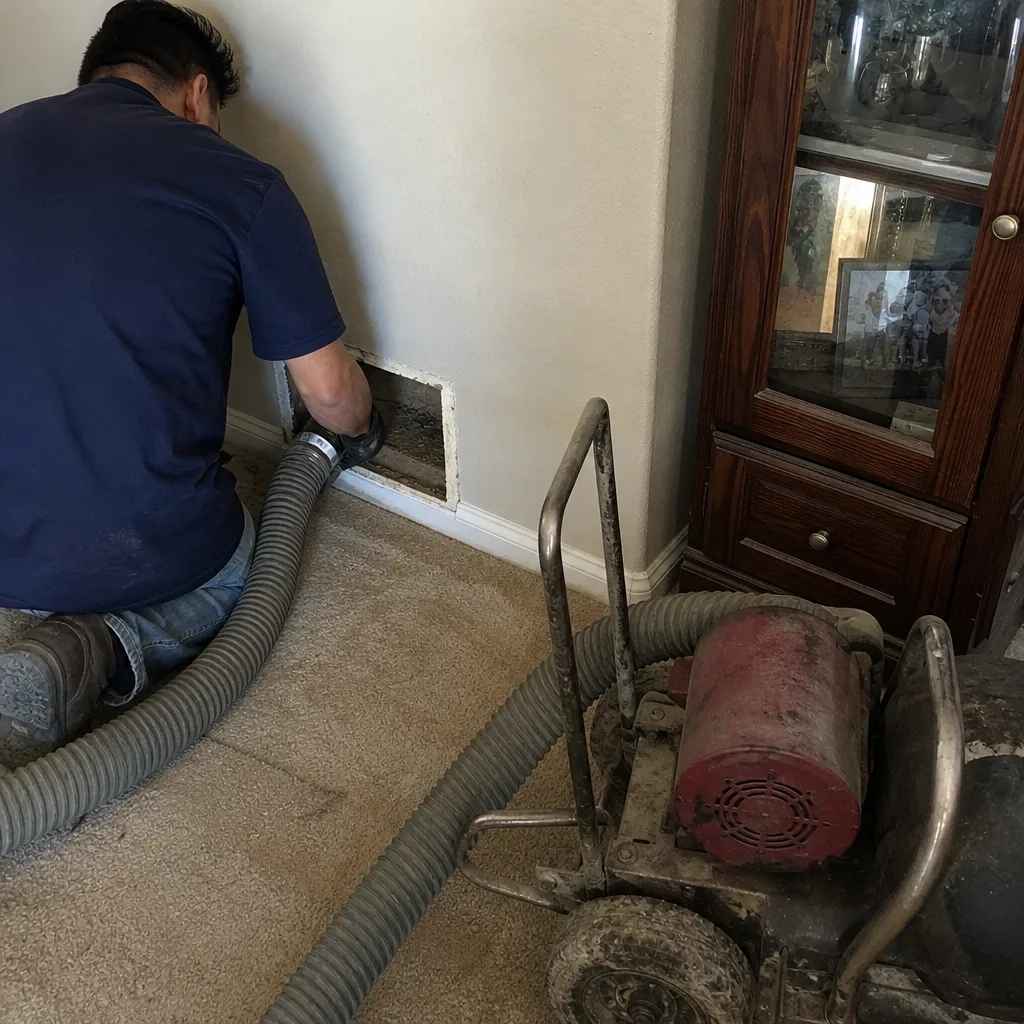 Before
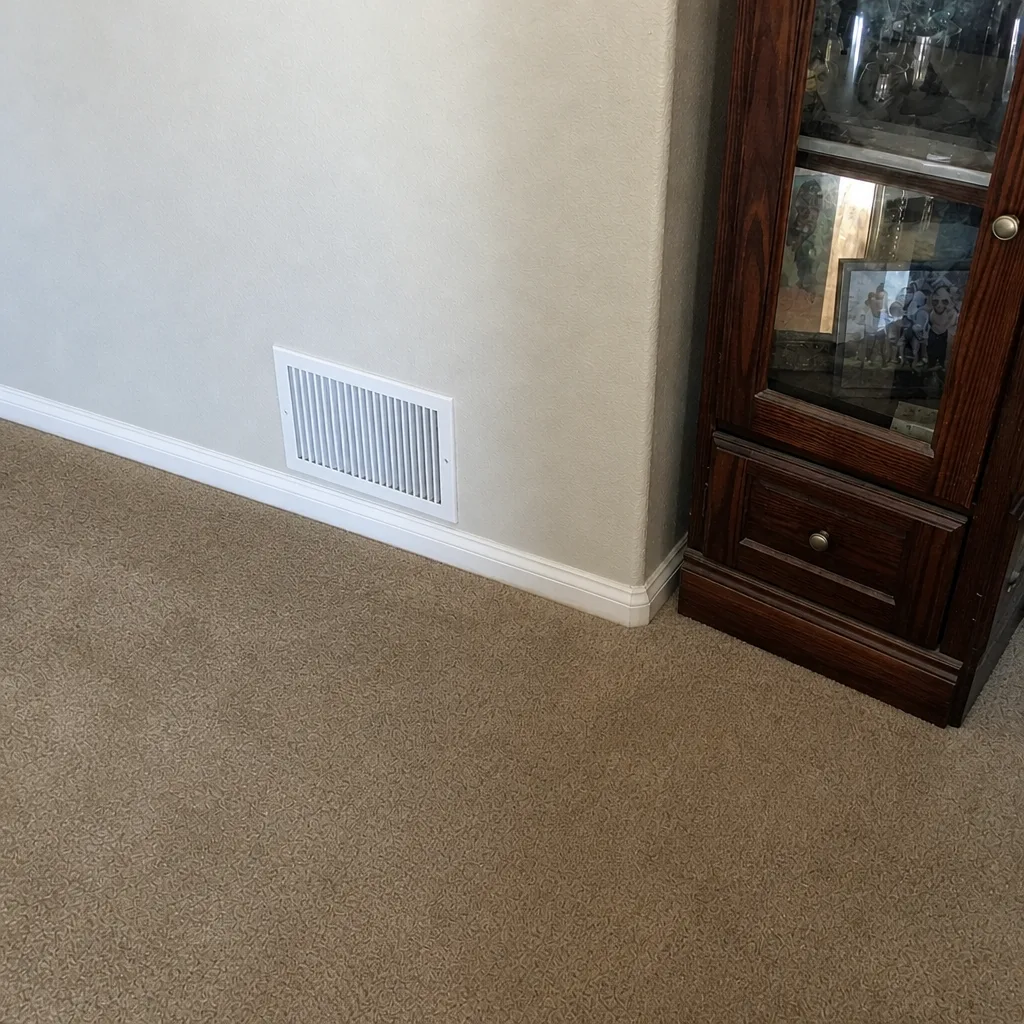 After
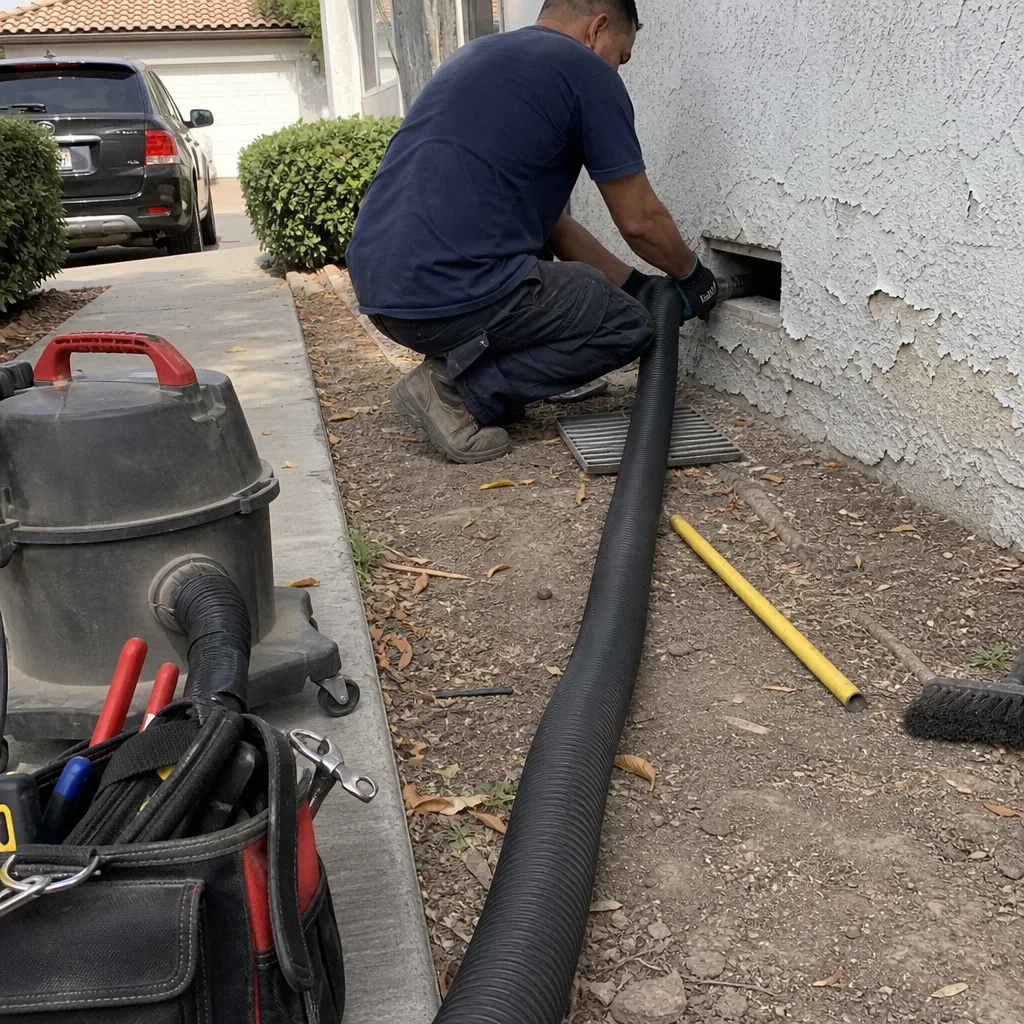 Before
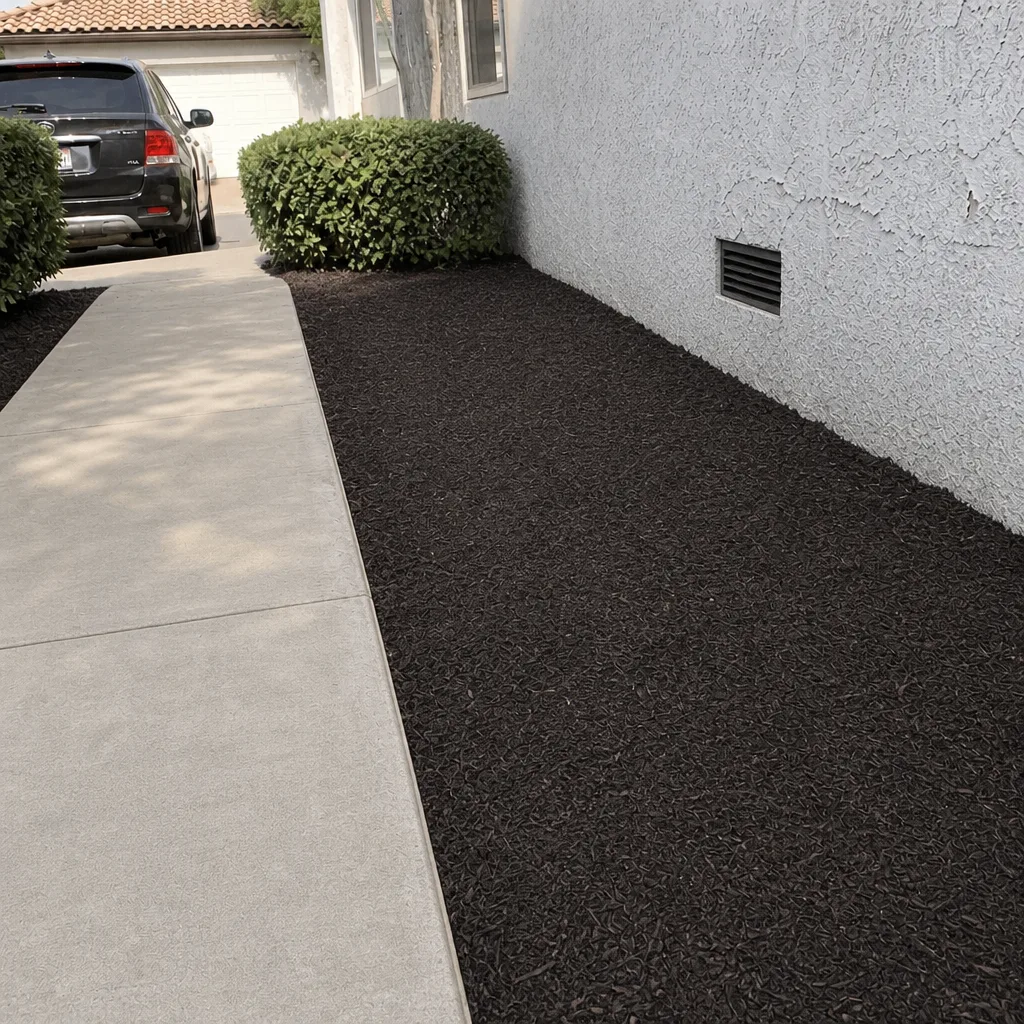 After
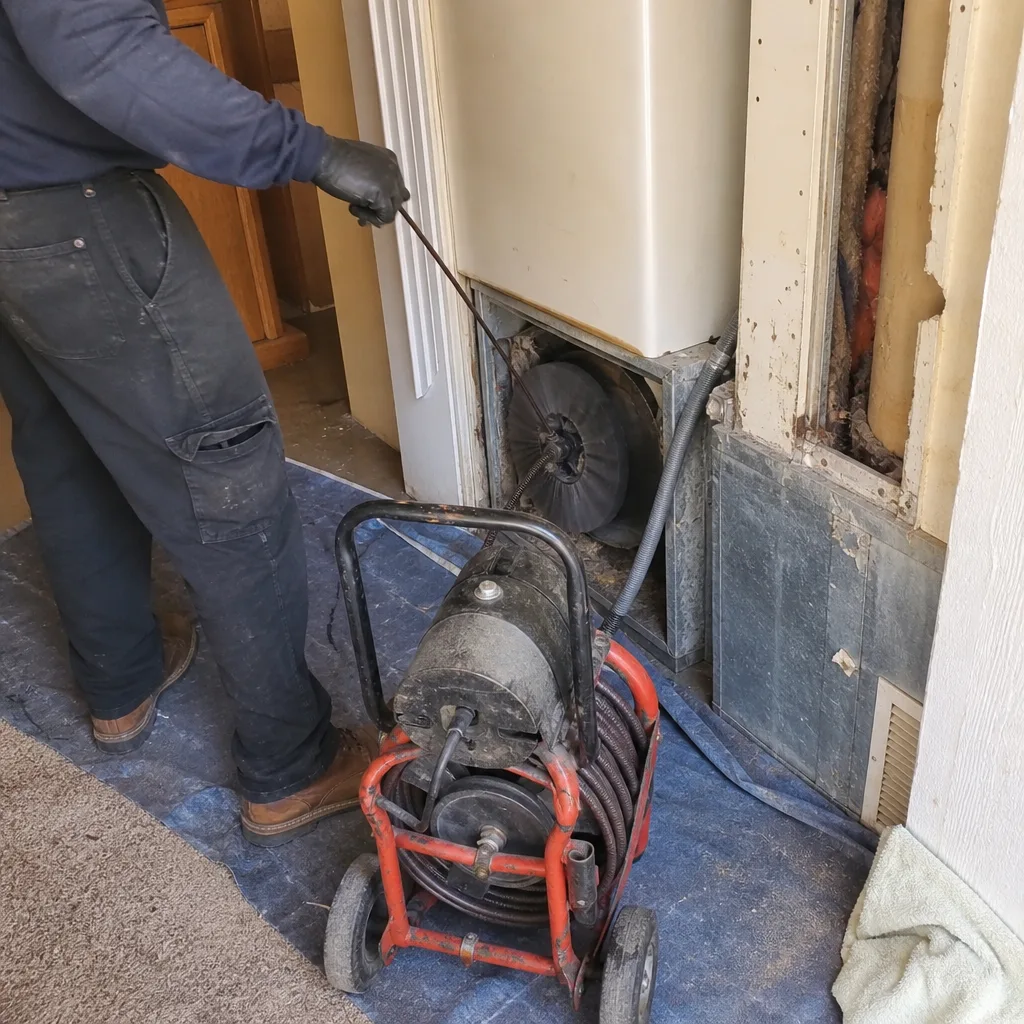 Before
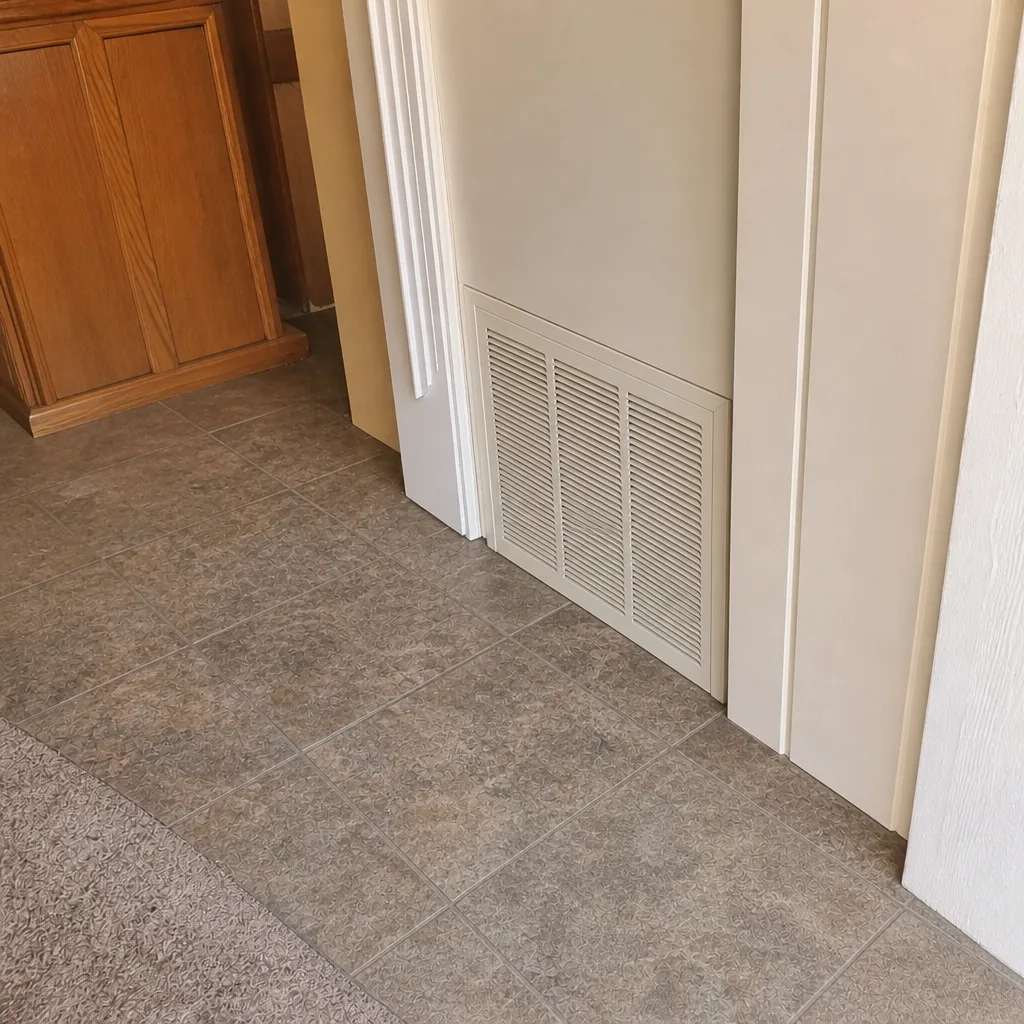 After
When to Call a Professional
Some signs are clear enough to just book the job. If your registers leave visible dust tracks on the ceiling or the floor beneath them, that’s a duct housekeeping issue that won’t fix itself. If the house smells musty when the AC comes on after a long closed season, the plenum is likely damp and dust-loaded. If a room is consistently warmer than the rest of the house, a disconnected or crushed run behind the wall is a strong candidate. If anyone in the house has allergies, asthma, young children, or pets, the reason to inspect now rather than “eventually” is stronger. And if you notice clothes taking longer to dry, that’s a dryer vent signal, separate from the ducts but just as urgent.
Morningstar Air Duct Cleaning offers free estimates in Bakersfield. Call (866) 942-8025. We answer 24/7. Fast dispatch from 7am to 7pm, Sunday through Friday.
Frequently Asked Questions
Late February through April is the best window. Tule fog is done, the AC hasn’t started its summer run, and you’re cleaning before the system takes on months of high-run-hour load. Cleaning in spring also gives you time to address any repairs before summer. If you can’t hit spring, late November after harvest is the next best slot.
In Bakersfield, October is a poor month for a fresh clean. Harvest dust is still in the air, which means the ducts will pull the same particulate right back after the job. If a clean is already scheduled, consider pushing it to late November once the harvest is in. If you’ve already had a clean, protect it by tightening the filter schedule and keeping windows shut on high-dust days.
Watch the conditions, not just the calendar. A typical Bakersfield home benefits from a clean every two to three years, but a household with pets, allergy concerns, or a home near high-dust exposure may want it closer to every 18 months. The end-of-harvest assessment is the best data point for whether you can wait another season.
Yes. Flex duct in a hot attic expands and contracts through the daily cycle, joints that were taped at install can loosen, and the system runs many hours a day. That combination drives filter bypass and thermal stress that other climates don’t see at the same intensity. An assessment in spring catches the damage before the summer run makes it worse.
Cleaning removes the accumulated dust and allergens that the system would otherwise keep circulating on cool, still days. It doesn’t replace outdoor air quality control, but it removes one of the biggest internal sources of irritation. Cleaning in spring and protecting the investment with filter discipline through winter is the combination that helps most.
We do both, and we treat them as separate services with different timing. Dryer vent cleaning is a fire-risk reduction job, not a duct-clean add-on, and it deserves its own schedule. If you’re unsure which service you need first, a look at the dryer vent run and the duct work side by side usually settles it. Call (866) 942-8025 for a free estimate on either.
The Bottom Line
Bakersfield’s year isn’t four seasons; it’s a calendar of air quality events, and duct timing should follow it. Late February through April is the highest-value cleaning window because it sits between tule fog and the summer AC run. Summer is when the system takes its heaviest mechanical load, and harvest season is when your filters and registers need the most attention. Winter inversion days reward a closed house and a loaded filter more than an open one. A full-system job, meaning clean, treat, and repair, holds up longer than a clean-only job. And dryer vent cleaning sits on its own track, because fire risk doesn’t wait for the seasons. Learn how the whole system fits together with Morningstar Air Duct Cleaning, and time the work to the calendar rather than the coupon mailer.
When the spring window opens, the goal is simple: get the system cleaned, sealed, and ready before the long summer run starts. We work with Rotobrush and Nikro equipment, deploy Abatement Technologies containment during cleaning, and can repair the breaches that shorten the life of any clean. Estimates are free.
Call (866) 942-8025. We answer 24/7. Fast dispatch from 7am to 7pm, Sunday through Friday.
Written by the team at Morningstar Air Duct Cleaning.