
Last updated November 16, 2026
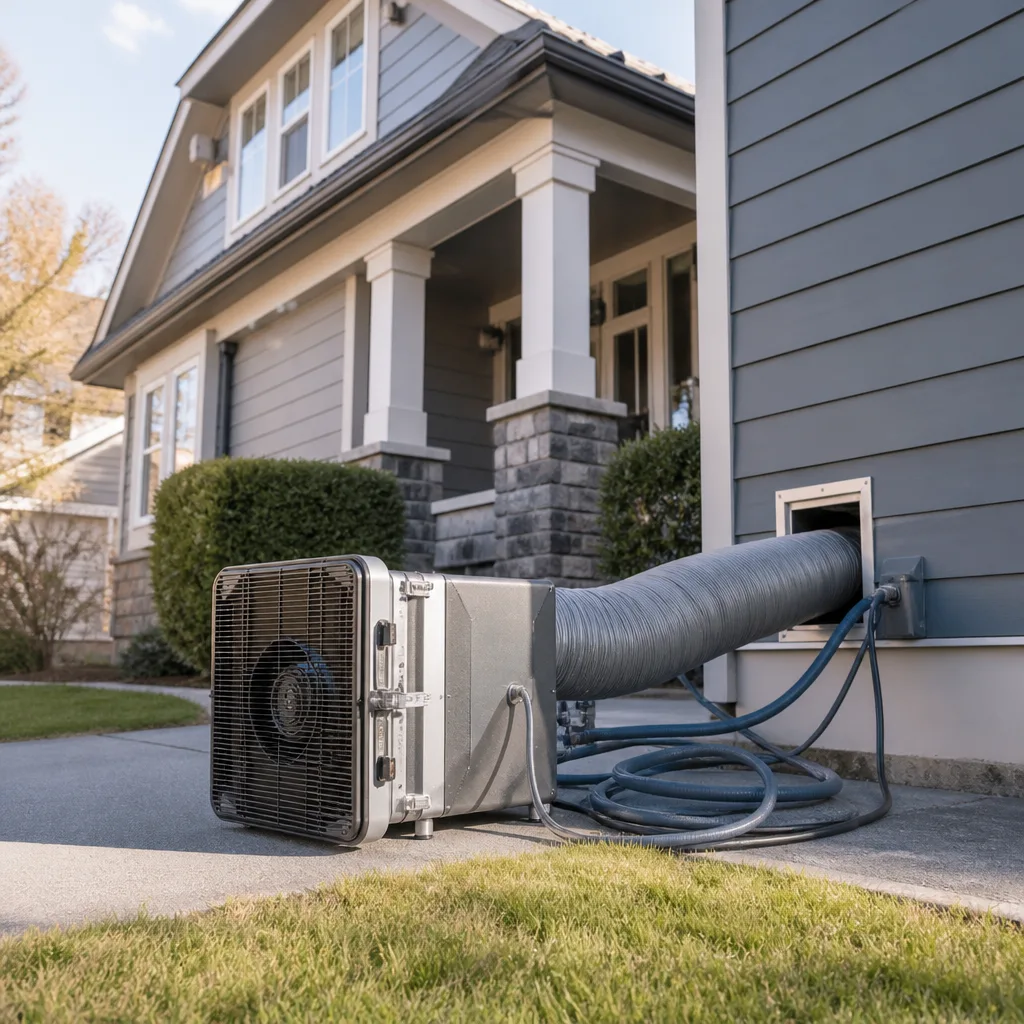 Whole-home duct cleaning
 Dryer vent cleaning
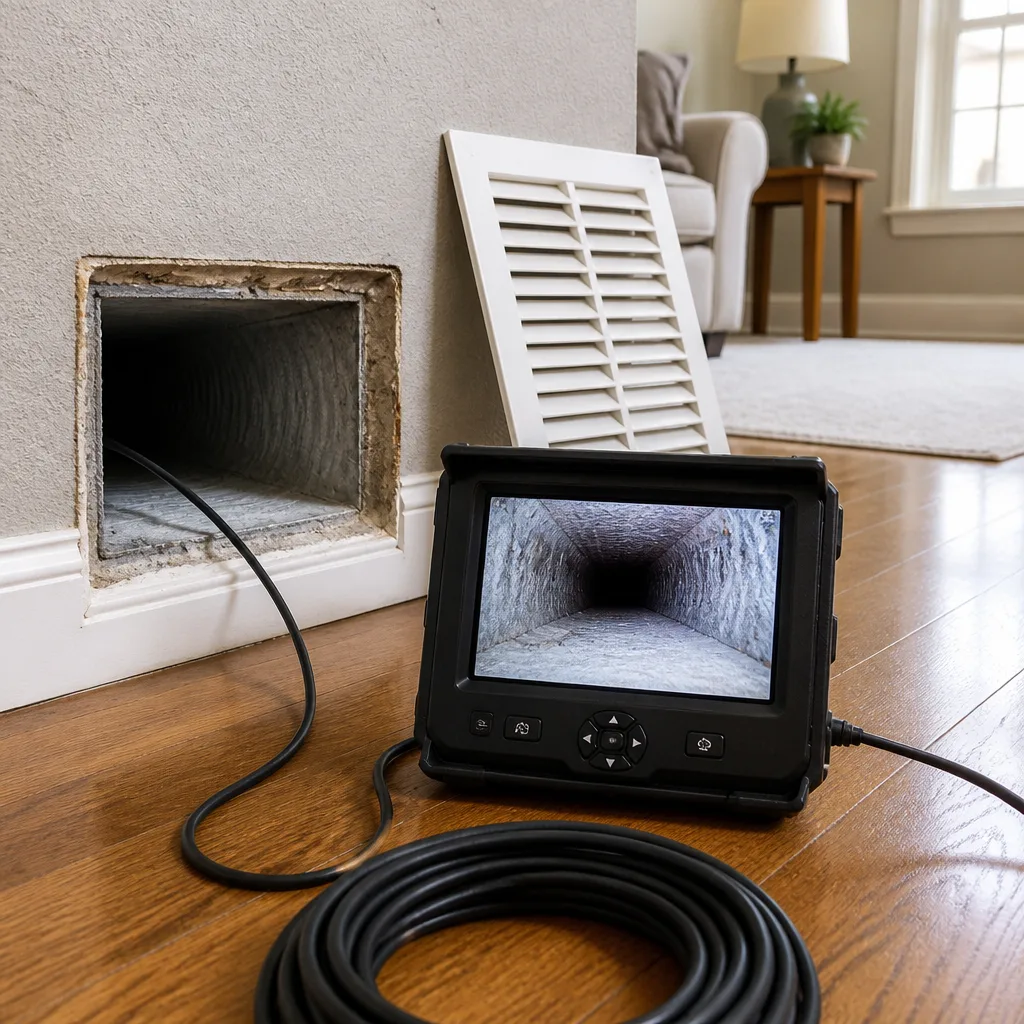 Camera inspection
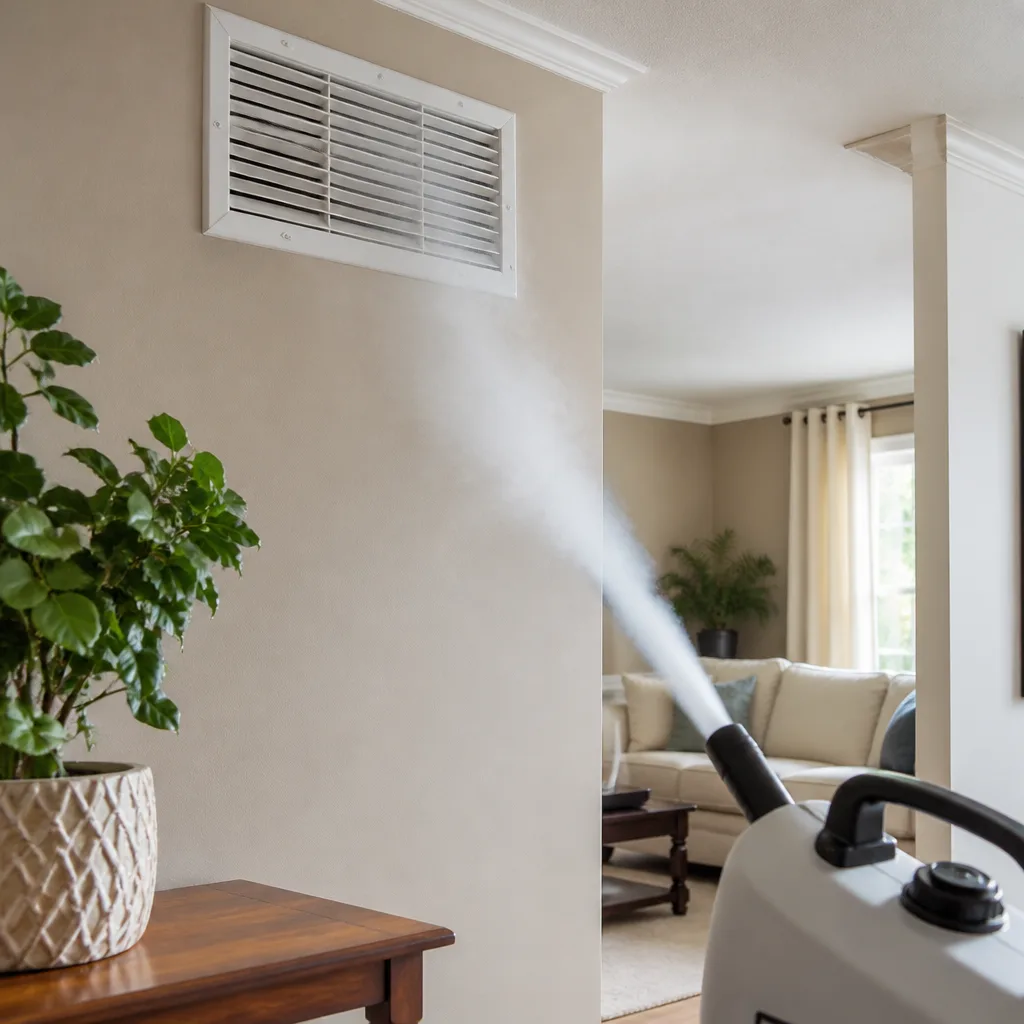 Sanitizing & deodorizing
Whole-system duct and dryer vent check with before-and-after photos - you see exactly what came out of your vents
That "$99 whole-house special" is a bait ad - the real number appears once they are in your hallway, or the "clean" is a shop-vac at the register. We photograph the inside of your ducts before and after instead.
Air Duct Cleaning Maintenance Checklist for Bakersfield Homeowners
Most homeowners treat duct cleaning like a reset button: pay for the service, then forget the ductwork exists until the air smells strange again. In Bakersfield, that approach leaves a lot of value on the table. This valley traps dust, agricultural debris, and vehicle exhaust in the air for long stretches of the year, and much of that material settles into the same ducts you just paid to have cleaned. What happens between professional visits decides how long the clean actually lasts. This guide gives you a concrete checklist – monthly, quarterly, and seasonal – so the work holds up between service calls and your indoor air quality stays where you want it.
Quick Answer
A workable air duct maintenance checklist in Bakersfield comes down to three rhythms: inspect and swap filters monthly, check registers and the outdoor unit quarterly, and schedule a full professional cleaning annually or whenever you spot the warning signs. Homeowners can manage filtration and visual checks themselves. The deep work inside the duct runs – negative-pressure cleaning, sealing breaches, treating the system – takes professional equipment. Stick to both sides of that line and your ducts stay cleaner for far longer.
Styles & brands we work with
- Whole-home duct cleaning
- Dryer vent cleaning
- Camera inspection
- Sanitizing & deodorizing
Table of Contents
- The Monthly Filter Protocol
- Reading Your Supply and Return Registers
- The Fan-Only Flush: When to Run It and When Not To
- Bakersfield’s Seasonal Calendar for Duct Care
- What You Can Maintain Yourself vs. What Needs Professional Equipment
- The Dryer Vent Belongs on This Checklist Too
- Keeping Records That Actually Help You
The Monthly Filter Protocol
Your filter is the front line of the whole system, and in Bakersfield it works harder than the manufacturer’s suggested interval assumes. The standard advice of “change it every three months” was written for a generic house in a generic climate. If you live near agricultural fields, you already know what harvest season does to the sky and to your window sills. If your home sits close to the 99 corridor with its steady truck traffic, diesel particulate and road dust load your filter faster than a quiet suburban street would. Treat the three-month rule as a ceiling, not a target.
Here’s the monthly protocol we recommend:
- Pull the filter and hold it to a light. If you can’t see light through it, it’s done. Replace it, don’t vacuum it.
- Write the date on the filter frame with a marker. It sounds trivial until you’re standing there trying to remember whether it’s been three weeks or three months.
- Check the filter slot for bypass. If the filter sits loose and air sneaks around the edges, dust is getting past it. A properly sized filter should seat snugly with no gaps.
- Match the MERV rating to your system. A higher MERV catches more, but if your system wasn’t built for it, the added resistance strains the blower. When in doubt, ask before you upgrade.
- Note the color. Gray means normal dust. Black streaks can point to something worth investigating.
During harvest months and the windy stretches of spring, we’ve seen filters load up in three or four weeks. During the calmer winter months, that same filter might last two months. Let what you find on the filter, not the calendar, set your pace. This single habit is the highest-return item on the entire checklist.
Reading Your Supply and Return Registers
Your registers are the system’s windows. You don’t need tools to inspect them, and a two-minute walk-through each quarter tells you a lot about what’s happening inside the ductwork. Here’s what to look for at each supply and return vent:
- Gray or black streaks around the grille. Air leaking past a poorly sealed register pulls dust with it and stains the surrounding wall or ceiling. That streaking is a containment problem, not just a cosmetic one.
- Visible dust puffing out when the system kicks on. If you see a puff of dust at startup, contamination has built up in the run, and the system is blowing it back into your room.
- Loose or rattling grilles. Vibration opens gaps over time. A register that doesn’t sit flush lets unfiltered air into the system.
- Musty or dusty smell at a specific vent. A smell that concentrates at one register often points to a local moisture or debris issue in that branch rather than the whole system.
- Uneven airflow between vents. A register that barely moves air can signal a crushed or disconnected duct run – a breach that silently erases the value of any cleaning.
Photograph anything that looks off, note the date, and compare next quarter. Our technicians have up to experience, and the pattern they watch for is change over time – a vent that looked clean in spring and shows streaking by fall tells a clearer story than a single snapshot. If you want a professional eye on what you find, a free estimate from our air duct cleaning team is the fastest way to sort a real problem from a normal one.
The Fan-Only Flush: When to Run It and When Not To
Running the HVAC fan without heating or cooling – often called fan-only mode – circulates air through the filter and can pull some settled particulate toward it. It’s a genuinely useful tool, but it’s not a universal fix, and running it at the wrong time makes things worse. The goal is to move dust toward the filter, not to stir it into the rooms you live in.
Run the fan-only mode when:
- You’ve just replaced the filter and want to clear light surface dust from the returns.
- You’re doing light cleaning nearby and want the system pulling air through a fresh filter rather than sitting idle.
- The outdoor air quality is decent and you want gentle circulation without running the compressor.
Don’t run fan-only mode when:
- Smoke or heavy particulate is in the air outdoors. Pulling outside air through a system while the valley air is thick just loads the filter faster and can push contaminants indoors.
- You smell something musty at the vents. Circulating air through a damp or contaminated run spreads the problem instead of solving it. That calls for a diagnostic, not a flush.
- Your filter is already loaded. A clogged filter plus forced circulation equals restricted airflow and strain on the blower. Change the filter first.
- The registers are visibly dusty. Give them a wipe before you circulate, or you’ll just redistribute what’s sitting there.
Keep fan-only sessions short – a couple of hours, not all day. It’s a maintenance rhythm, not a substitute for a professional cleaning, and it won’t reach the settled material deep inside the duct runs. That’s a job for negative-pressure equipment, which we’ll get to.
Bakersfield’s Seasonal Calendar for Duct Care
Duct maintenance in Bakersfield tracks the local calendar, not a generic one. Here’s how the year breaks down and what each stretch asks of you.
Late Summer and Fall: Post-Harvest Dust Season
After the harvest, agricultural dust and fine particulate lift and drift across the valley. This is when filters load fastest and registers show the earliest signs of new contamination. Bump your filter checks to every three weeks during this window, and if you have a professional cleaning on the horizon, schedule it for after the dust settles rather than before. Cleaning just before harvest season means you’ll be calling again in a few months.
Spring: Pre-Summer AC Ramp-Up
Before the long hot stretch sets in, walk the system. Replace the filter, inspect every register, and if it’s been more than a year since the last professional clean, get on the calendar now rather than waiting for the first triple-digit week. A system heading into heavy cooling season with a clogged filter and dirty ducts works harder and costs more to run. This is also the right time to test that airflow is even across the house.
Winter: Tule Fog and Condensation Risk
Winter brings tule fog to the valley floor, and with it damp, cool air that can find its way into a duct system through gaps and poorly sealed joints. Cold surfaces and moist air are a recipe for condensation inside a duct run, and persistent moisture is what turns ordinary dust into a musty problem. During foggy stretches, watch for that damp smell at the vents and keep an eye on the return grilles. If a smell lingers after the fog clears, that’s your signal to have the system looked at.
One more note for this valley: Bakersfield’s air quality is poor on a lot of days, and the duct system is one of the few places you can actually control. Seasonal attention here isn’t fussiness – it’s the difference between a home that feels fresh and one that always smells faintly of dust.
What You Can Maintain Yourself vs. What Needs Professional Equipment
The line between homeowner maintenance and professional work is clearer than most guides admit. Here’s where it falls.
You can handle these yourself:
- Filter inspection, replacement, and date labeling.
- Wiping down register grilles and checking them for streaks, rattling, and puffs of dust.
- Visual walks of the supply and return vents each quarter.
- Running fan-only circulation at appropriate times.
- Keeping a simple log of what you found and when.
These need professional equipment:
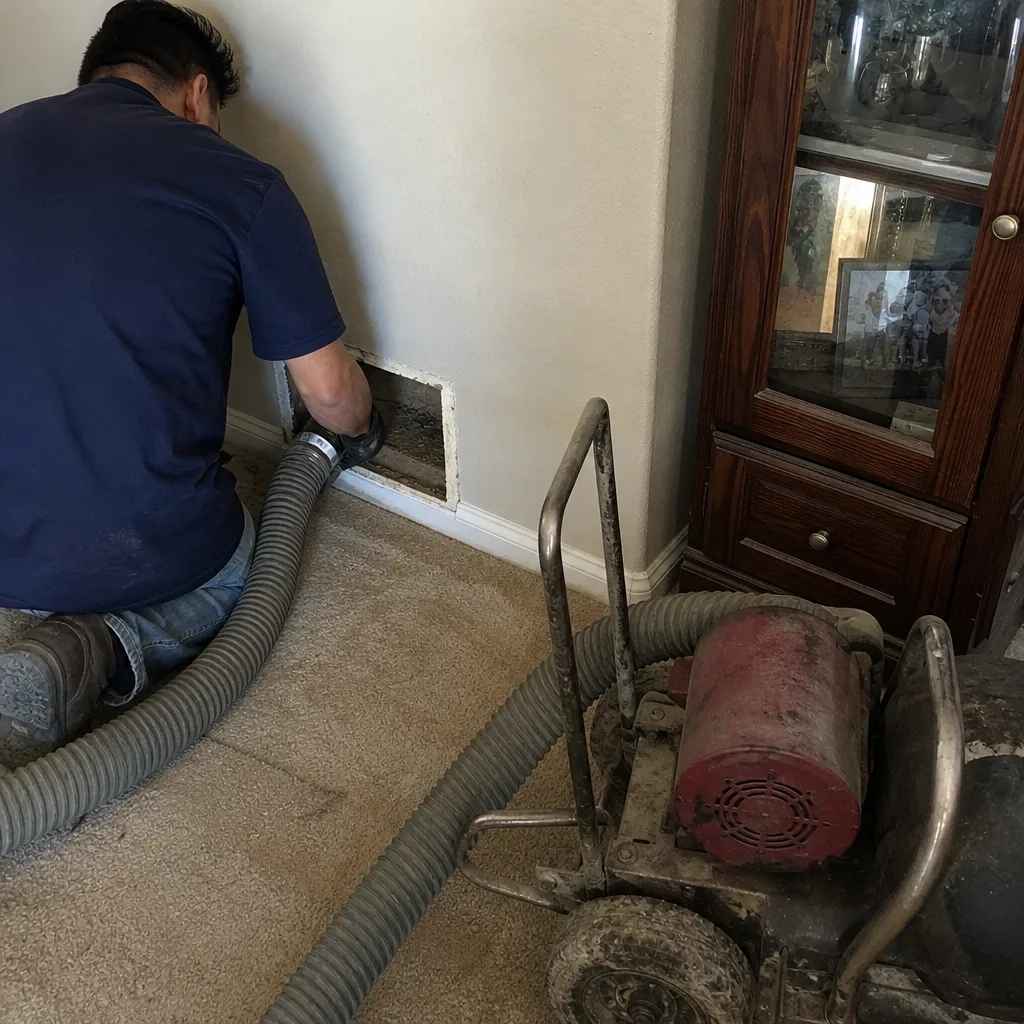
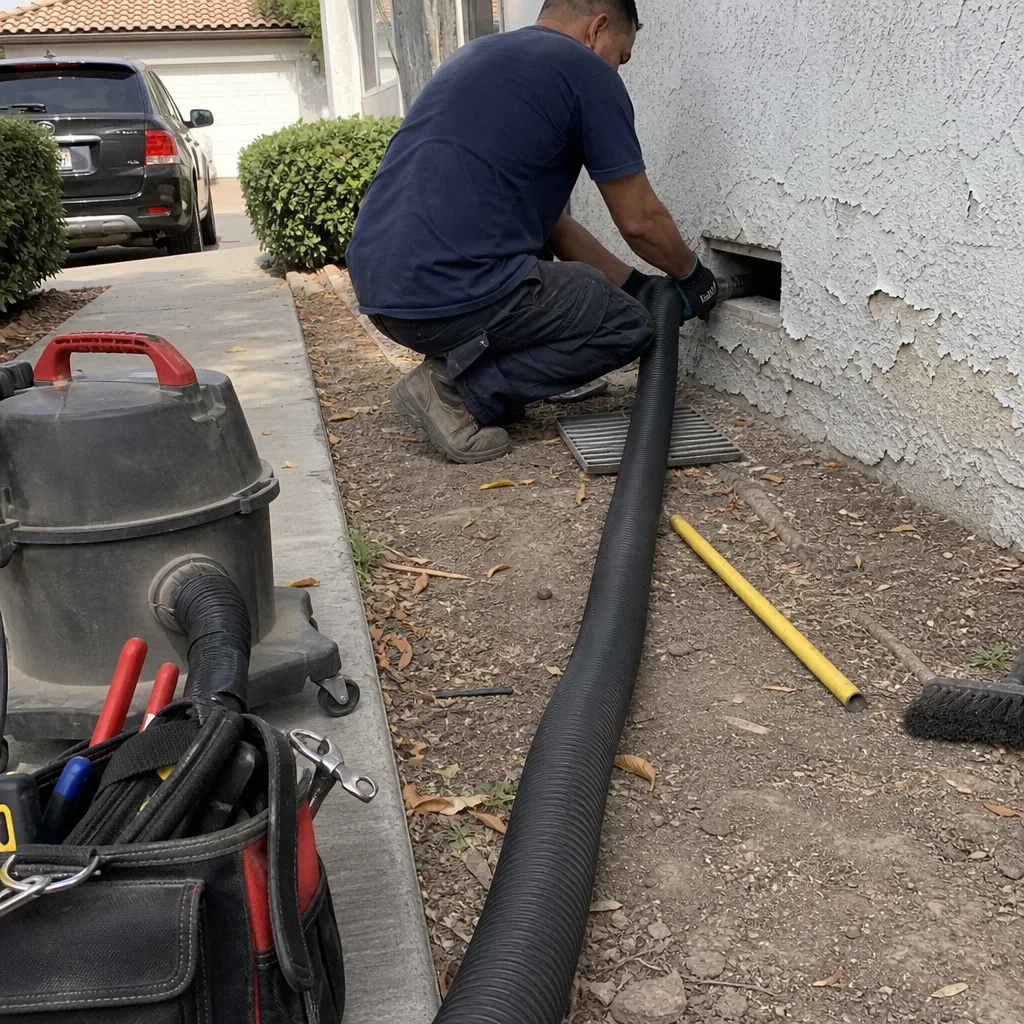
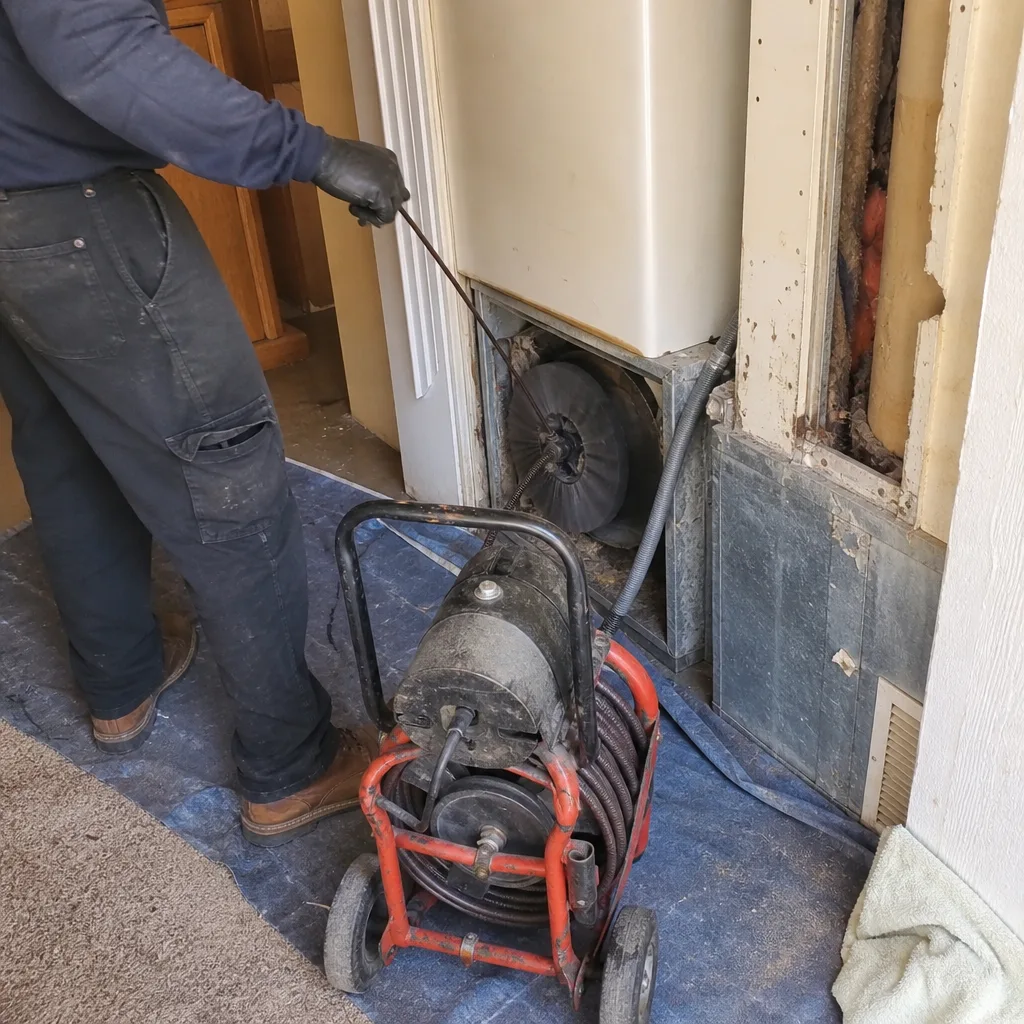
- Cleaning the interior of the duct runs. Negative-pressure equipment and agitation tools reach the settled material a household vacuum can’t touch. A shop vacuum doesn’t pull material out of a duct run – it stirs it around.
- Locating and repairing breaches. Ducts disconnect, crush, and seal-fail in places you can’t see. Repairing them takes diagnosis and the right materials, and it’s the difference between a clean system and one that gets recontaminated the day it’s cleaned.
- Containment during cleaning. Professional work uses air filtration to capture particulate rather than pushing it through your living space. When we clean, we run Abatement Technologies filtration and professional-grade Rotobrush and Nikro equipment, which is the same standard used in commercial and industrial air quality work. Most residential cleaners skip this containment step entirely.
- Servicing whole-home IAQ components. If your system includes Honeywell or Aprilaire equipment, those components need someone trained to service them within the whole-home setup, not just the ductwork.
- Treating the system after cleaning. Protective treatments like Guardsman are part of the full-service scope when they fit your system.
The homeowner’s job is keeping the system’s front end clean so the professional cleaning lasts. The professional’s job is everything you can’t reach, see, or properly seal. Knowing which is which saves you money and keeps you from wasting a service call on the wrong problem.
The Dryer Vent Belongs on This Checklist Too
The dryer vent isn’t part of your HVAC ductwork, but it’s ductwork in the literal sense, and it’s the one piece of the system with a fire risk attached. Lint accumulates in the vent run and reduces airflow – and a hot dryer with restricted exhaust is a fire hazard, not a maintenance annoyance. Homes that run several loads a week build up lint faster, and vent runs with multiple bends or long horizontal stretches are more prone to clogging than short, straight ones.
Add these to your checklist:
- Inspect the lint trap before every load and clean it out.
- Check the outdoor vent flap every few months – it should open freely when the dryer runs and close when it stops.
- Look behind the dryer occasionally for lint build-up and heat.
- If clothes take noticeably longer to dry or the dryer feels hot to the touch, treat it as a sign to investigate, not a quirk to live with.
- Schedule professional dryer vent cleaning on a regular basis – it’s a fire-risk reduction service, not a discount add-on tucked into a duct job.
We treat dryer vent cleaning as a serious part of whole-home air quality and safety, not an add-on. If your dryer is running hot or slow, don’t wait for it to become a bigger problem. Call (866) 942-8025. We answer 24/7. Fast dispatch from 7am to 7pm, Sunday through Friday.
Keeping Records That Actually Help You
A simple log pays off more than homeowners expect. You don’t need anything fancy – a page taped inside a closet door works fine. Note the date each time you change the filter, any register sightings that looked unusual, and the date of your last professional cleaning. When a technician arrives, that log tells them what’s been happening between visits, which speeds up diagnosis and helps them spot patterns you’d miss.
Record these items:
- Filter changes – date and what you observed (color, any bypass or gaps).
- Register notes – streaking, puffing, rattling, smells, uneven airflow.
- Seasonal observations – how the system behaved through harvest season and the foggy winter stretch.
- Professional service dates – cleaning, repairs, any treatment applied.
- The names of the equipment used – Rotobrush and Nikro tools and Abatement Technologies filtration are worth writing down so you know what was done.
When you eventually sell the home or hand off to a property manager, a clear record of what’s been cleaned, repaired, and maintained is a real asset. It also makes you a more informed customer – you’ll know exactly what to ask about and what to expect.
Common Mistakes to Avoid
- Treating the three-month filter rule as gospel. In Bakersfield’s dusty stretches, a filter can be spent in three weeks. Let the filter tell you when it’s done, not the calendar.
- Running fan-only mode during heavy smoke or dust days. It pulls particulate into the system and loads the filter faster. Save the fan for cleaner air.
- Vacuuming the ducts with a shop vac. A household vacuum stirs up settled material without capturing it. Professional negative-pressure equipment exists for a reason.
- Ignoring a crushed or disconnected duct run. A breach silently recontaminates the whole system. Cleaning without repairing is throwing money after a problem that keeps coming back.
- Scheduling a cleaning just before harvest season. You’ll be re-dirtying the system weeks later. Time the cleaning for after the dust settles.
- Skipping the dryer vent. It’s a fire-risk reduction service, and it’s easy to forget until clothes stop drying properly. Don’t wait for that signal.
- Over-tightening a high-MERV filter. A filter your system wasn’t built for can strain the blower. Match the rating to the equipment.
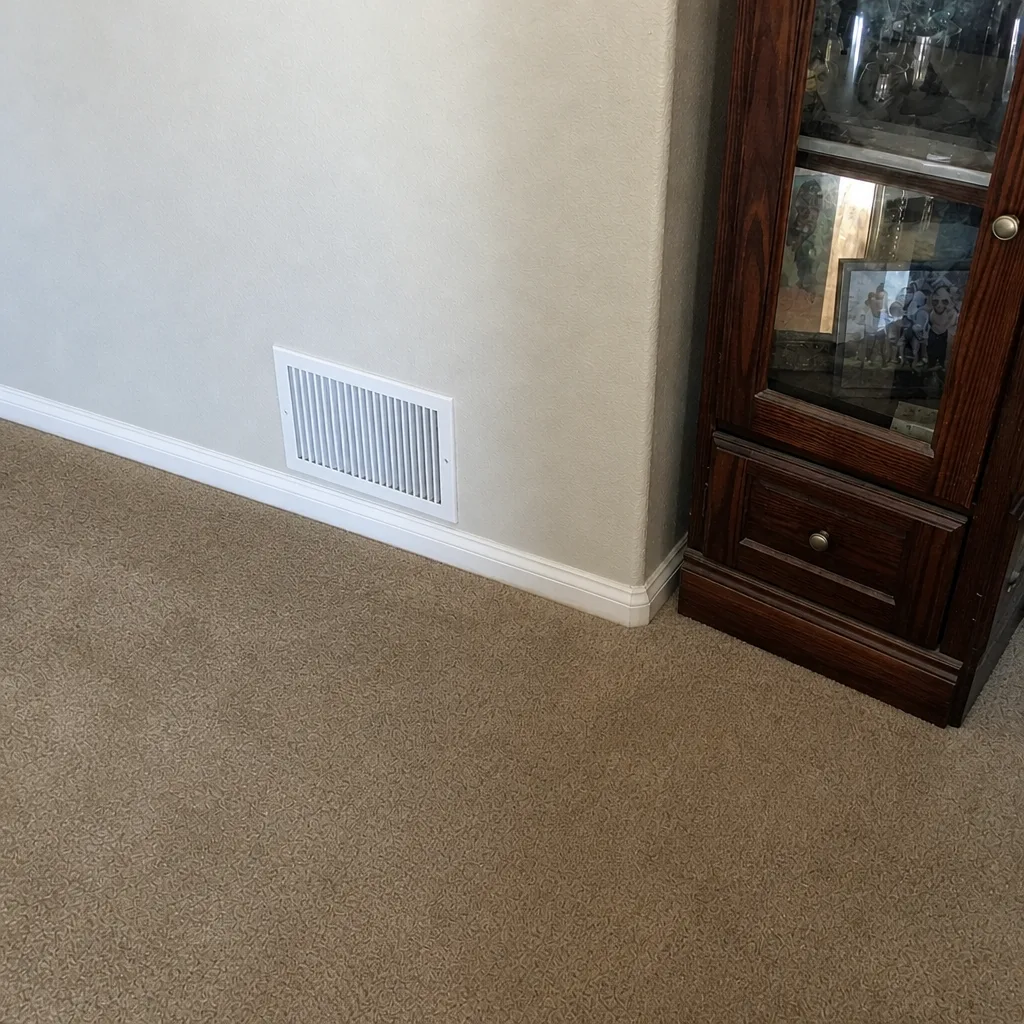
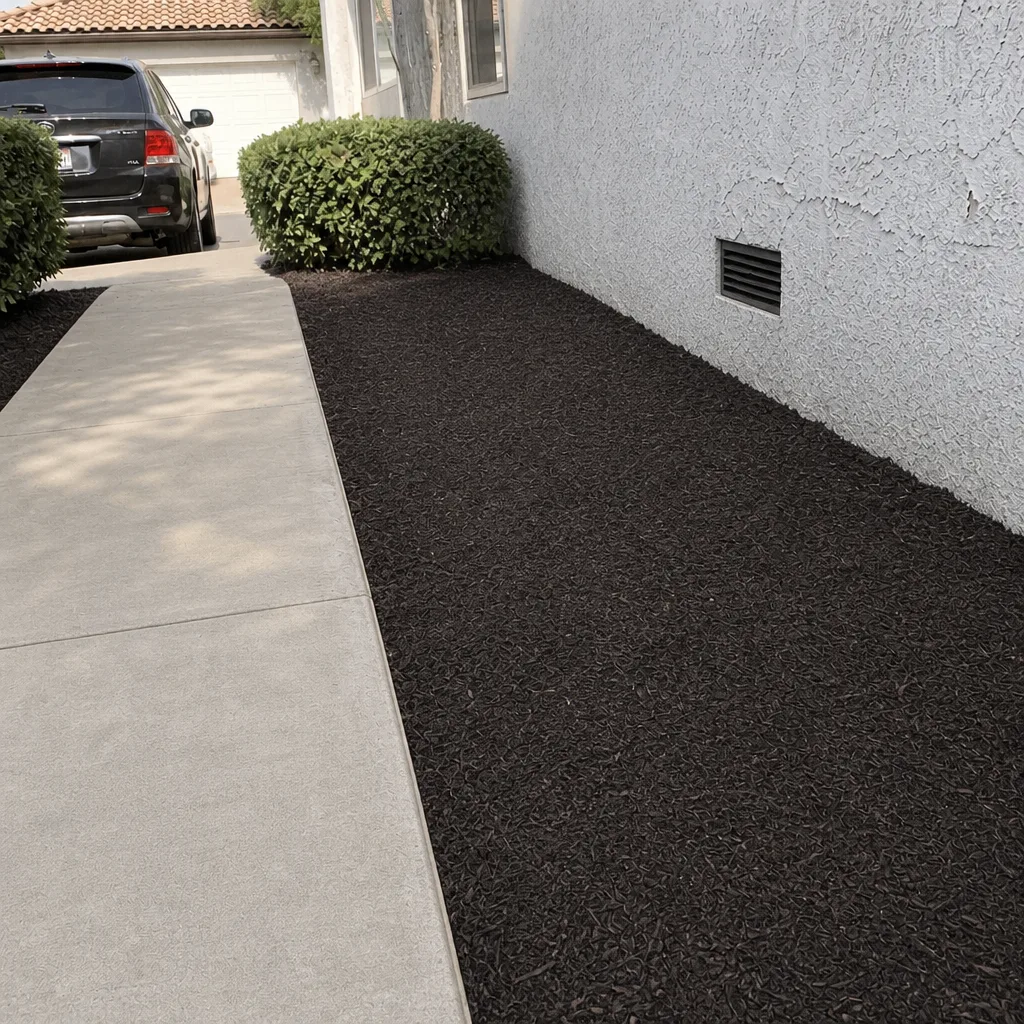
See the difference
 Before
 After
 Before
 After
 Before
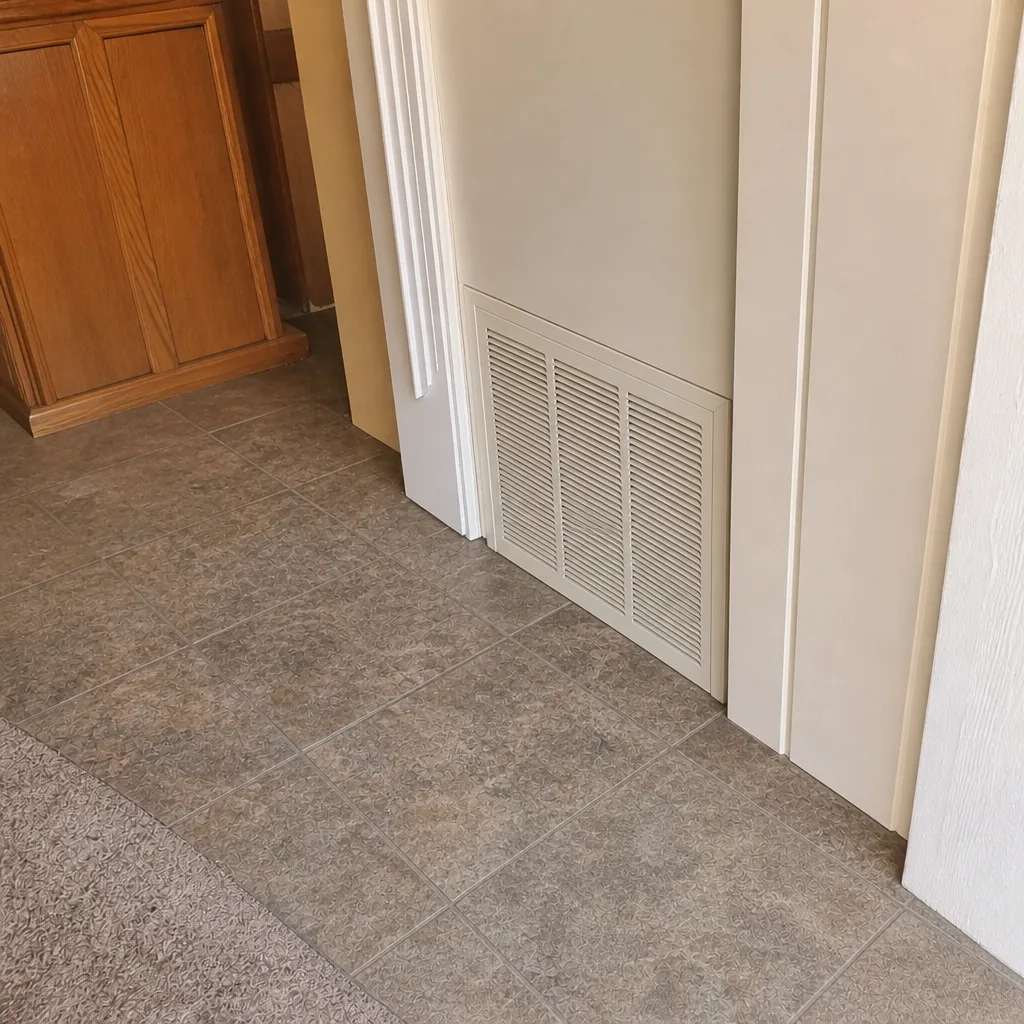 After
When to Call a Professional
Some problems genuinely need professional equipment and know-how, and it’s better to call early than to let a small issue grow. Call for a professional evaluation when you see visible dust puffing from registers at startup, when a musty smell lingers at the vents after the fog clears, when airflow is uneven or a specific room never heats or cools properly, or when it’s simply been more than a year since the last professional cleaning. A breach in the ductwork – a crushed run, a disconnected joint – is a repair job, not a cleaning job, and our air duct repair work locates and fixes those breaches rather than cleaning around them.
Morningstar Air Duct Cleaning offers free estimates in Bakersfield – call (866) 942-8025. We answer 24/7. Fast dispatch from 7am to 7pm, Sunday through Friday. Our technicians have up to experience, and we bring professional-grade equipment on every job. The written estimate sets the price per job before any work starts, so you know what you’re getting.
Frequently Asked Questions
Most Bakersfield homes benefit from professional air duct cleaning about once a year, though homes near agricultural fields or the 99 corridor may need it more often because airborne dust and diesel particulate load the system faster. Watch your filter and register conditions to know when your home is telling you it’s time. Call (866) 942-8025 for a free estimate – estimates are free.
No – a household vacuum can’t capture settled material inside the duct runs, and it tends to stir up dust rather than remove it. Professional negative-pressure equipment, agitation tools, and containment filtration are what it takes to clean the interior properly. Call (866) 942-8025 if you’d rather have it done right.
A musty smell that lingers after tule fog season usually points to moisture that found its way into a duct run and stayed there. That’s worth a professional diagnostic, since circulation alone won’t fix a damp problem. Call (866) 942-8025 for a free estimate – estimates are free.
Occasionally, yes – fan-only mode can pull light settled dust toward the filter, but only when the filter is clean and outdoor air quality is decent. Skip it on heavy particulate days and when there’s a musty smell. Call (866) 942-8025 if you’re not sure what your system is doing.
A higher MERV rating catches more particulate, but the result depends on whether your system was built for the added resistance. An over-spec filter can strain the blower and restrict airflow. Ask before you upgrade. Call (866) 942-8025 if you’d like an evaluation of what fits your system.
Yes – a dryer can work fine right up until restricted lint build-up becomes a fire hazard. The vent is the one part of the system with a fire risk attached, and regular professional cleaning is the way to manage it. Call (866) 942-8025 for a free estimate – estimates are free.
The Bottom Line
The best maintenance checklist for air duct cleaning in Bakersfield is the one you actually follow between professional visits. Check your filter monthly and let what you find set the pace. Walk your registers each quarter and note what’s changed. Use fan-only circulation wisely, time your professional cleaning for after harvest season, and keep the dryer vent on the list. What you maintain yourself keeps the system’s front end clean; what we handle – negative-pressure cleaning, breach repair, containment filtration, and IAQ system servicing – keeps the inside of the system working the way it should. Call (866) 942-8025 for a free estimate and get your Bakersfield home’s duct system on a schedule that fits.
Learn more about whole-home IAQ with Morningstar Air Duct Cleaning. Estimates are free, the price is set per job by the written estimate, and every job uses professional-grade Rotobrush and Nikro equipment with Abatement Technologies filtration for containment-level particulate control.
Written by the team at Morningstar Air Duct Cleaning.