
Last updated November 16, 2026
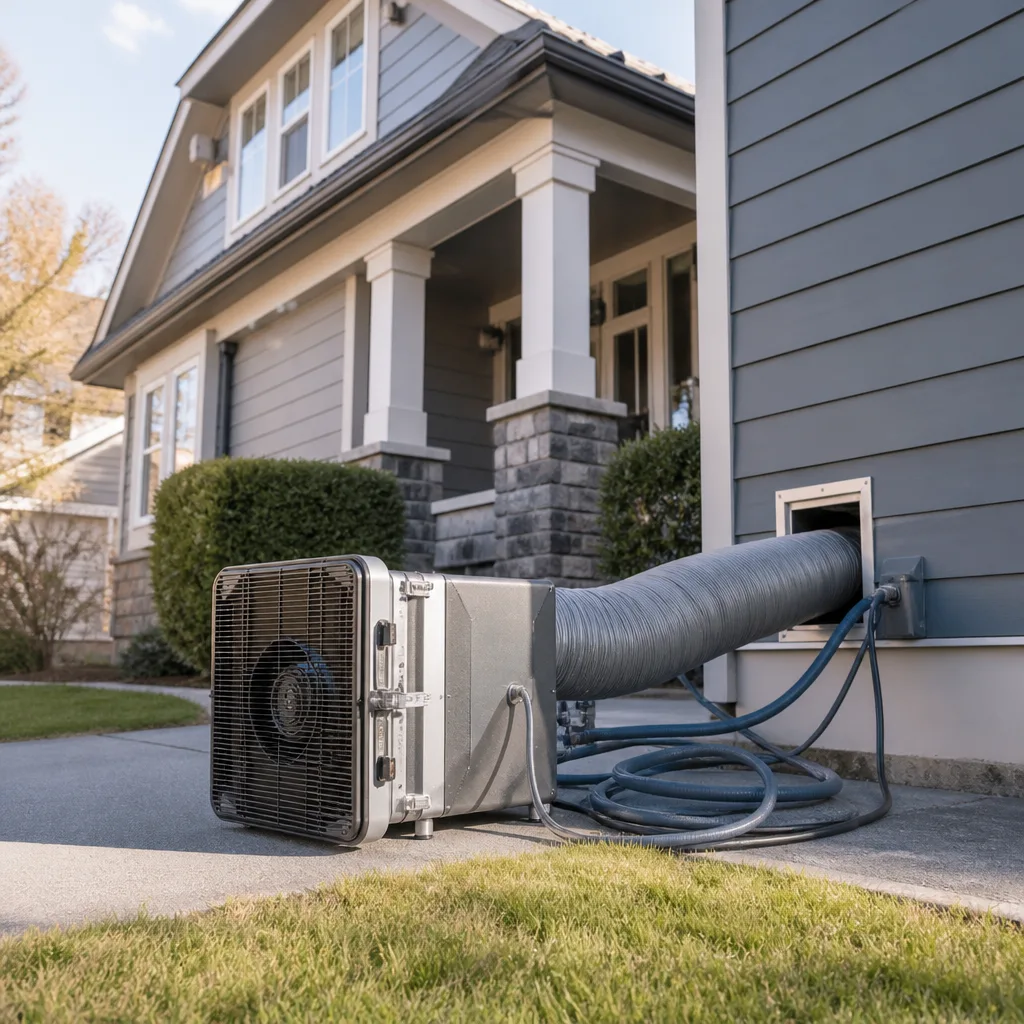 Whole-home duct cleaning
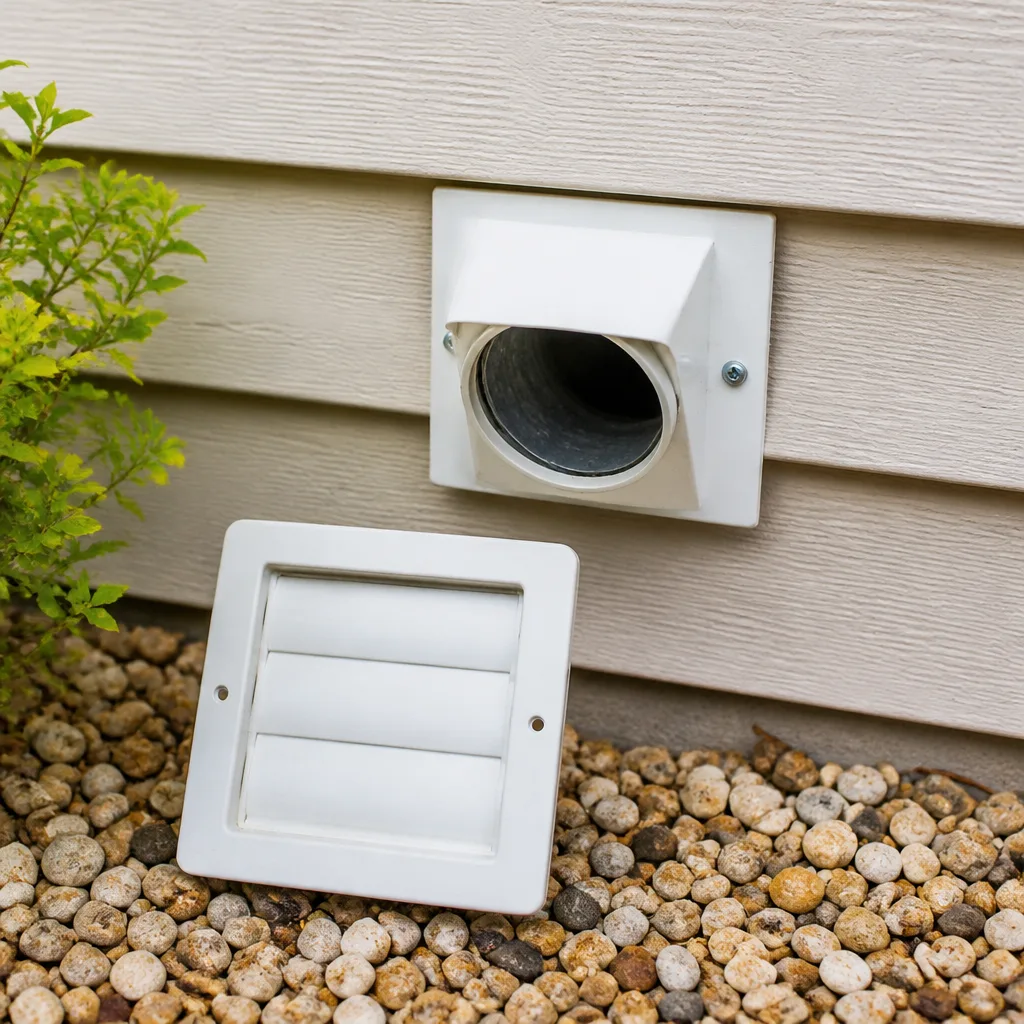 Dryer vent cleaning
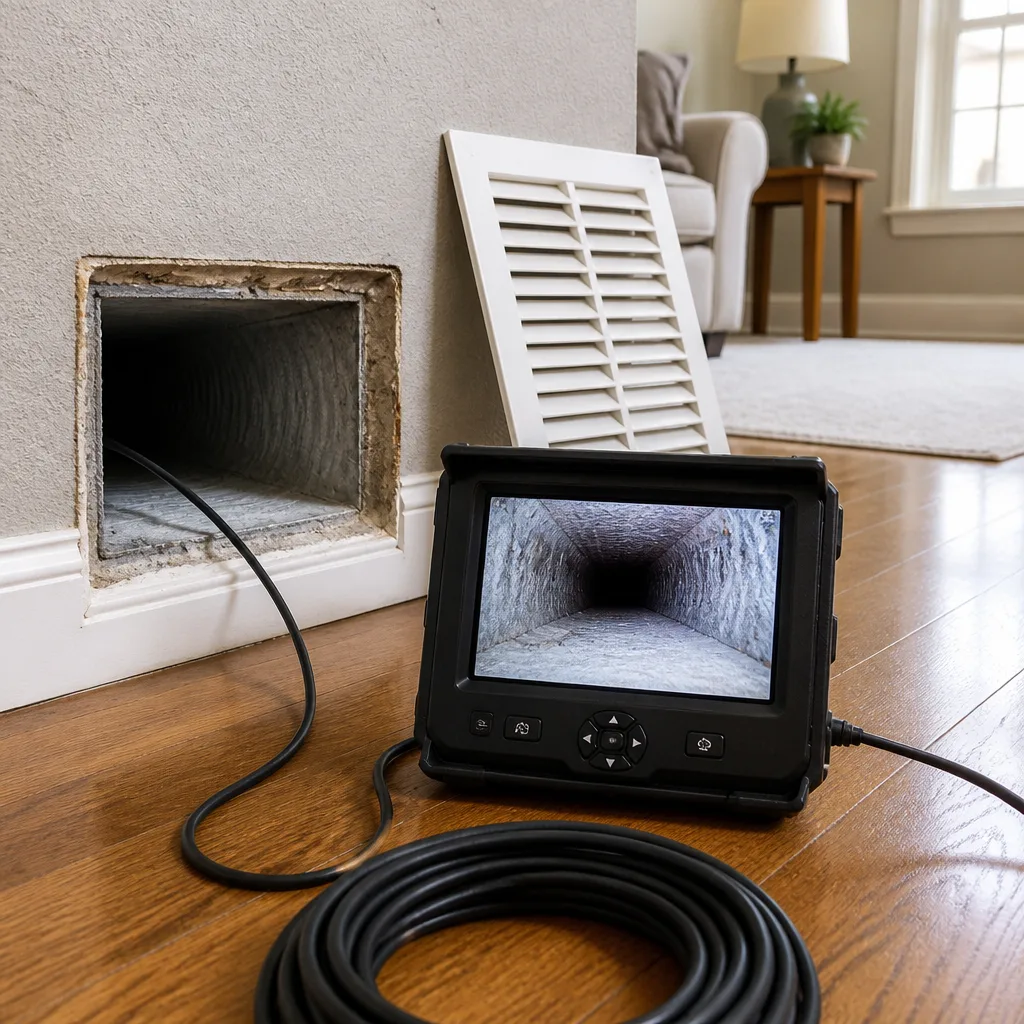 Camera inspection
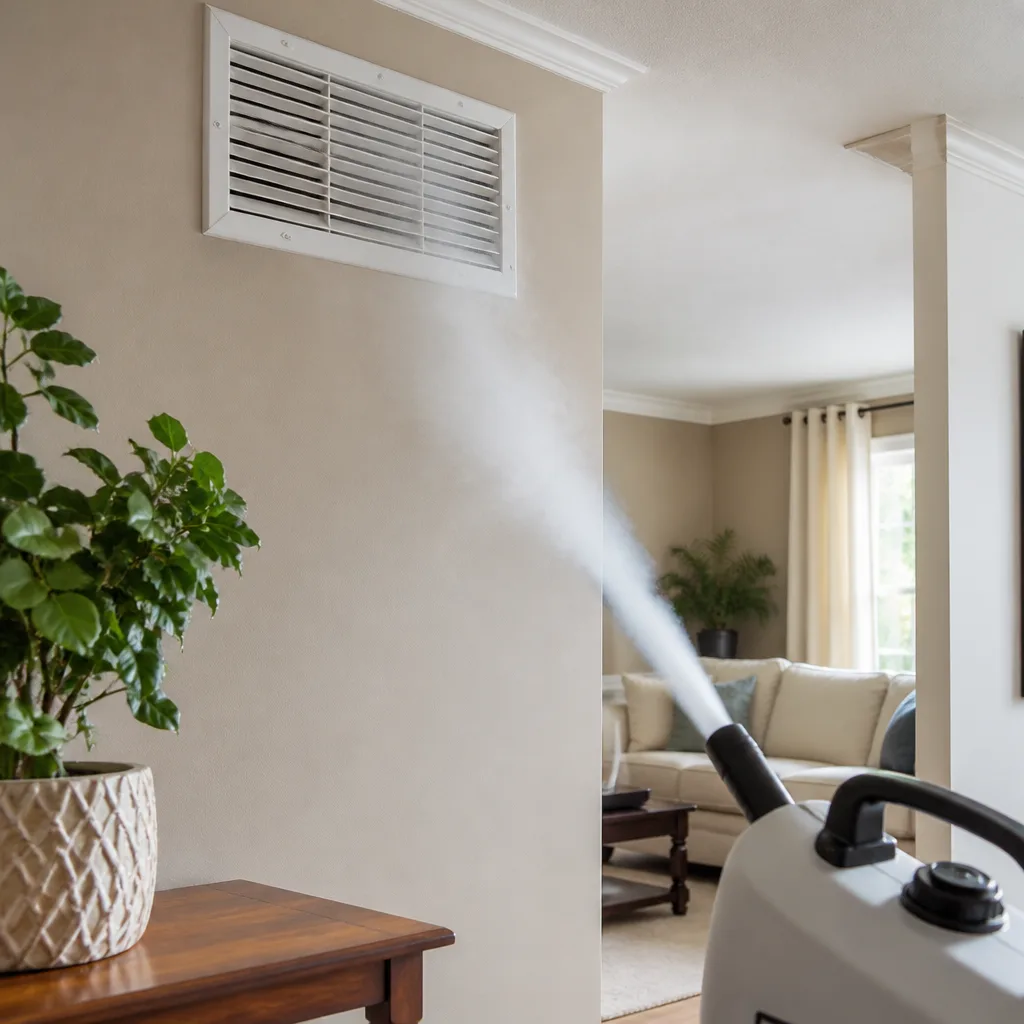 Sanitizing & deodorizing
Whole-system duct and dryer vent check with before-and-after photos - you see exactly what came out of your vents
That "$99 whole-house special" is a bait ad - the real number appears once they are in your hallway, or the "clean" is a shop-vac at the register. We photograph the inside of your ducts before and after instead.
Air Duct Cleaning Emergency Preparedness Guide for Bakersfield Homes
Most homeowners treat ductwork as background infrastructure, something that sits quietly above the ceiling until the air starts smelling wrong. That assumption gets tested during a handful of specific events in Bakersfield: wildfire smoke pushing into the valley, a seismic jolt that rattles attic connections, or the first 110-degree week when the system has to run hard for days. A clean, sealed duct system is emergency infrastructure, not just comfort maintenance. A breached or contaminated one turns into a liability the moment outside air quality drops. This guide covers how to prepare your ducts before an emergency, what to do during one, and how to tell when professional remediation is the right call.
Quick Answer
Preparing your air ducts for a Bakersfield emergency means sealing breaches and staging the right filter before wildfire smoke season, knowing where your system’s access points and shutoffs are, and understanding when post-event contamination requires professional cleaning rather than just fresh filters. Run a professional-grade system check and a full cleaning before smoke season, then keep a high-MERV filter staged and know how to close your fresh air intake on bad air quality days. After an earthquake or smoke event, inspect visible attic and crawl space duct connections and call a professional if you find disconnections, heavy ash deposits, or a smoky smell that does not clear with a filter change.
Styles & brands we work with
- Whole-home duct cleaning
- Dryer vent cleaning
- Camera inspection
- Sanitizing & deodorizing
Table of Contents
- Why Bakersfield Ducts Face Unique Emergency Scenarios
- Pre-Season Duct Prep Before Wildfire Smoke Season
- Filter MERV Ratings: What to Stage Before You Need It
- Emergency HVAC Protocol on Air Quality Alert Days
- After an Earthquake: Assessing Duct Connections in Attic and Crawl Space
- Extreme Heat and System Failure: Protecting Duct Integrity
- When Duct Contamination Needs Professional Remediation
- Pre-Emergency Checklist: What Every Homeowner Should Document
Why Bakersfield Ducts Face Unique Emergency Scenarios
Bakersfield sits in the southern San Joaquin Valley, ringed by mountains that trap air. During a wildfire smoke event, that geography works against every home in the city. Smoke plumes from fires in the surrounding ranges drift into the valley and settle, sometimes for days. If your duct system has a breach, a disconnected flex run, or an unsealed plenum joint, your HVAC system can draw that smoke-filled air directly into your living space. It is not a small amount of air. It is the entire return side of your system pulling from the garage, the attic, or a crawl space that is not connected to your clean supply air.
The second scenario is seismic. The White Wolf fault and the faults that run through and around Kern County produce ground motion that can loosen duct hangers, crack rigid connections, and separate flex duct from collars in attic installations. Many Bakersfield homes rely on attic-mounted or crawl-space air handlers and duct runs. A connection that was already marginal can separate completely after a moderate quake. You will not see it unless you know where to look.
The third is heat. Bakersfield regularly sees summer temperatures well past 100 degrees, and the system runs nonstop for stretches. A duct system with leakage or a torn liner that performed acceptably in mild weather can fail under prolonged load, and a failed system during a heat wave forces homeowners into a hard choice about running equipment that is not moving adequate air.
Each of these scenarios rewards the homeowner who already knows their system. That is the entire argument for preparation: the decision you make during an emergency should be a decision you already rehearsed.
Pre-Season Duct Prep Before Wildfire Smoke Season
The time to think about your ducts is before the first smoke advisory, not during it. Valley smoke season typically overlaps with the hottest, driest stretches of late spring and summer, which means the prep window is short. Here is the sequence we recommend for any Bakersfield home heading into smoke season.
- Inspect every accessible duct connection. Look at the air handler, the plenum, and any duct runs visible in the attic or crawl space. Watch for disconnected flex duct, torn outer jackets, tape that has dried and peeled, and gaps at register boots.
- Run a professional air duct cleaning on the full system, including supply and return, before smoke season. A system that is already loaded with dust and debris pulls smoke particles into that dust layer, and the result is a persistent odor that no filter change fixes.
- Seal any identified breaches. A company that offers Morningstar Air Duct Cleaning as a full-system service can locate and correct breaches during the same visit as the cleaning. Sealing leaks matters more during smoke events than at any other time of year.
- Stage filters in advance. Buy the MERV-rated filters you plan to use before the first air quality alert, so you are not scrambling for a specific size when shelves are picked over.
- Identify your fresh air intake. Some homes have a dedicated fresh air intake or an economizer on the HVAC system. Know where it is and how to close or restrict it on a smoke day.
- Set up one clean room. Choose a bedroom or living space, seal the door and windows, and plan to run a portable HEPA unit there during an alert. Then keep everyone in the home aware of it.
Homes in neighborhoods across Bakersfield, from older houses near downtown to newer construction in the southwest, all benefit from this same prep. What varies is how accessible the duct runs are and whether the system has already been sealed at the joints.
Filter MERV Ratings: What to Stage Before You Need It
Filter choice is one of the few pre-emergency decisions you make once and benefit from repeatedly. A MERV rating describes how effectively a filter captures particles of different sizes, and higher MERV ratings capture finer particles, including the fine particulate that dominates wildfire smoke. But there is a tradeoff, and it matters more in Bakersfield than in most places.
- MERV 8 to MERV 11: A reasonable everyday range for most residential systems. Adequate for normal dust and pollen, and it does not usually stress the blower.
- MERV 13: A common choice for smoke-season protection and for households with allergies or asthma. The filter captures fine smoke particles well, but the added resistance can reduce airflow on a system not designed for it.
- Above MERV 13: Often too restrictive for a typical residential air handler unless the system was designed for that static pressure. Running a very high MERV filter on an undersized return can starve airflow and cause the evaporator coil to freeze.
Here is the practical rule. Check what MERV rating your system is designed for, either on the filter door label or by asking a technician, and stage several filters at that rating before smoke season. Then stage one step higher for use on alert days only. Do not jump to the highest filter you can find; a filter that chokes airflow creates a new problem while solving the old one. If your home runs a Honeywell or Aprilaire whole-home air treatment system, the correct filter for that cabinet is specific, so buy the right size and rating and avoid the temptation to substitute.
Emergency HVAC Protocol on Air Quality Alert Days
When a smoke advisory is active in Bakersfield, the question is not whether to run the HVAC system. The question is how to run it without pulling smoke into the house. The answer depends on three things: your filter, your fresh air intake, and how well the system is sealed.
- Close or restrict the fresh air intake. Any ductwork that brings outside air into the return side is a direct pipeline for smoke. Close the damper if your system has one, or ask a technician to identify how to shut it off before the season starts.
- Switch to recirculation mode. Run the system in a mode that circulates and filters indoor air rather than introducing outside air.
- Install your staged smoke-day filter. Swap in the higher-MERV filter you set aside for alert days, and keep the fan running to maximize filter passes. Running the fan continuously moves more air through the filter.
- Close windows and doors, and seal the gaps. Do not rely on the HVAC system alone. Weatherstrip where you can and keep doors closed.
- Use the clean room you set up. A portable HEPA unit in one sealed room gives you a place to sleep and breathe while the outside air quality recovers.
- Do not run exhaust fans that pull air from outside. Bathroom and kitchen exhaust fans depressurize the house and can pull smoke in through every gap you missed.
- Watch for odor, headaches, and dusty filters. If the indoor smell of smoke does not clear once the outdoor air clears, the contamination has reached the ducts and filters, not just the room air.
If the system is breached, none of this works well. A compromised connection means the system is pulling from an uncleaned space no matter what filter you install. That is the reason sealing and cleaning before the season matters so much.
After an Earthquake: Assessing Duct Connections in Attic and Crawl Space
After any noticeable ground motion in Kern County, the first priority is people and structure, not ducts. But once the house has been checked for gas leaks, structural damage, and utility problems, ducts are the next category worth a look. Attic and crawl space installations are especially vulnerable because the duct runs are often supported by straps and hangers that can slip.
What to check, in general terms:
- Visible disconnections where flex duct meets a collar or plenum
- Duct runs that have sagged, dropped, or pulled away from the air handler
- Cracked rigid duct sections or separated joints
- Torn outer jackets or insulation that has pulled away
- Dust streaks or dark marks near seams that indicate a leak has developed
Do not climb into a damaged attic or a crawl space with compromised structure to check yourself. If you are unsure about the safety of the space, or if the ground motion was strong, have the assessment done by someone who does this for a living. What you should do immediately is make sure the system is off until you have some reason to believe it is safe to run, since a disconnected supply or return duct in a hot attic can move very hot air into living space.
If a technician confirms a disconnection, get it repaired before the next smoke or heat event, not after. A duct repair that takes a short visit to fix is the difference between a system that protects you and a system that works against you.
Extreme Heat and System Failure: Protecting Duct Integrity
Summer in Bakersfield is the season that tests every part of the system. When temperatures hold in the triple digits for days, the air handler runs long cycles, the duct system sees sustained pressure, and any weak spots are stressed. A return duct that is too small for the system, a supply run with a torn liner, or a plenum connection that was never sealed properly will all show up now.
Three things matter for keeping the system healthy through a heat wave:
- Filter condition. A clogged filter in a long-running system raises static pressure and reduces airflow, which strains the blower and can lead to coil freeze. Check the filter more often during heat waves than the usual monthly schedule suggests.
- Sealed joints. Leaky ducts in an attic lose cooled air before it reaches the rooms, which forces the system to run longer. Sealing the leaks is not just an efficiency matter; it reduces the load during the hours the system is already working hardest.
- Insulation integrity. Duct runs that have lost insulation in the attic pick up heat and deliver warmer air than they should. If the insulation is missing or damaged, the system can be running correctly and still not cool the house.
If the system fails during a heat wave, the duct work is not the emergency; the heat is. Get the system evaluated, and make sure the technician checks both the equipment and the ductwork, since a repair that fixes the unit and ignores a failed duct will leave you right back where you started.
When Duct Contamination Needs Professional Remediation
Not every smoke event requires professional remediation. Some do. The dividing line is measurable: how much contamination has reached the ducts, and how thoroughly it can be removed.
Signs that accelerated filter changes are enough:
- The smoke smell clears once outside air clears and the filter is changed
- You find ash or soot on the filter face but not inside the ducts
- Light dust at registers that wipes clean
Signs that professional remediation is the safer call:
- Persistent smoke odor indoors days after outdoor air has cleared
- Visible ash or dark soot deposits inside ducts or on the air handler
- Fine dust settling on furniture and surfaces faster than usual
- Allergy or asthma symptoms worsening after a smoke event and not improving
- Visible disconnections or breaches, which mean the system has been drawing contaminated air from the attic or crawl space
Professional remediation is not just a shop vacuum run through a register. The equipment matters. We use professional-grade Rotobrush and Nikro equipment, and deploy Abatement Technologies air filtration during jobs for containment-level particulate control. That last piece is what most residential cleaners skip entirely, and it is the difference between cleaning ducts and cleaning ducts without spreading the contaminants through the house in the process. After a major smoke event, ask any company you call what equipment they use, how they contain the workspace, and whether they document before and after.
Pre-Emergency Checklist: What Every Homeowner Should Document
This is the piece most people skip and later wish they had not. Before an emergency, you should know your own system. Write this down or store it on your phone. During a smoke day or after a quake is not the time to figure it out.
- System layout. Where is the air handler? Where is the furnace or heat pump? Where does the return come from? Where do the supply runs terminate? A simple hand sketch is enough.
- Access points. Where are the access panels, filter door, and any attic or crawl space hatches? Photograph each one.
- Shutoff locations. Where is the electrical disconnect for the air handler? Where is the breaker? Where is the gas shutoff if you have one?
- Filter size and rating. Write the exact filter dimensions on a piece of tape on the filter door so you can buy replacements without guessing.
- Fresh air intake location. Where does outside air enter the system, if at all? How is it controlled?
- Duct type and visible conditions. Note whether the ducts are rigid metal, flex, or a mix, and photograph any visible runs in the attic or crawl space.
- Service history. Keep a simple log of cleanings, repairs, and filter changes. If you sell the home, this record helps the next owner, and it helps any technician who works on the system.
- Emergency contacts. Have the phone number for a duct and HVAC specialist ready, not in a drawer.
One other thing worth noting for Bakersfield households: if you have a whole-home air treatment system like those from Honeywell or Aprilaire, note the model and the filter it uses. Those systems work best when the filter and the cabinet match, and knowing the model ahead of time saves a scramble.
Common Mistakes to Avoid
- Running the system on a smoke day with a breached connection. A leaky return pulls smoke into the house no matter how good the filter is. Seal the breach or run the system only after it is fixed.
- Assuming a higher MERV filter is always better. A filter above what the system was designed for can choke airflow and cause coil freeze. Stage the right rating, not the highest one you can find.
- Skipping professional cleaning before smoke season. Dust already in the ducts captures smoke particles and turns a short-term odor into a long-term problem. Clean before the season, not after.
- Running exhaust fans during a smoke advisory. Bathroom and kitchen fans pull air from outside and can defeat everything else you have done to keep smoke out.
- Ignoring attic duct connections after a quake. The disconnection you cannot see is the one that keeps drawing contaminated air from the attic. Have the system looked at.
- Trusting a cleaning that is only a vacuum pass. Ask what equipment is used and whether the workspace is contained. A cleaning that spreads dust through the house is worse than no cleaning at all.
- Waiting until the system fails to think about insulation and sealing. A leaky or under-insulated duct system will fail first and cost the most during a heat wave.
See the difference
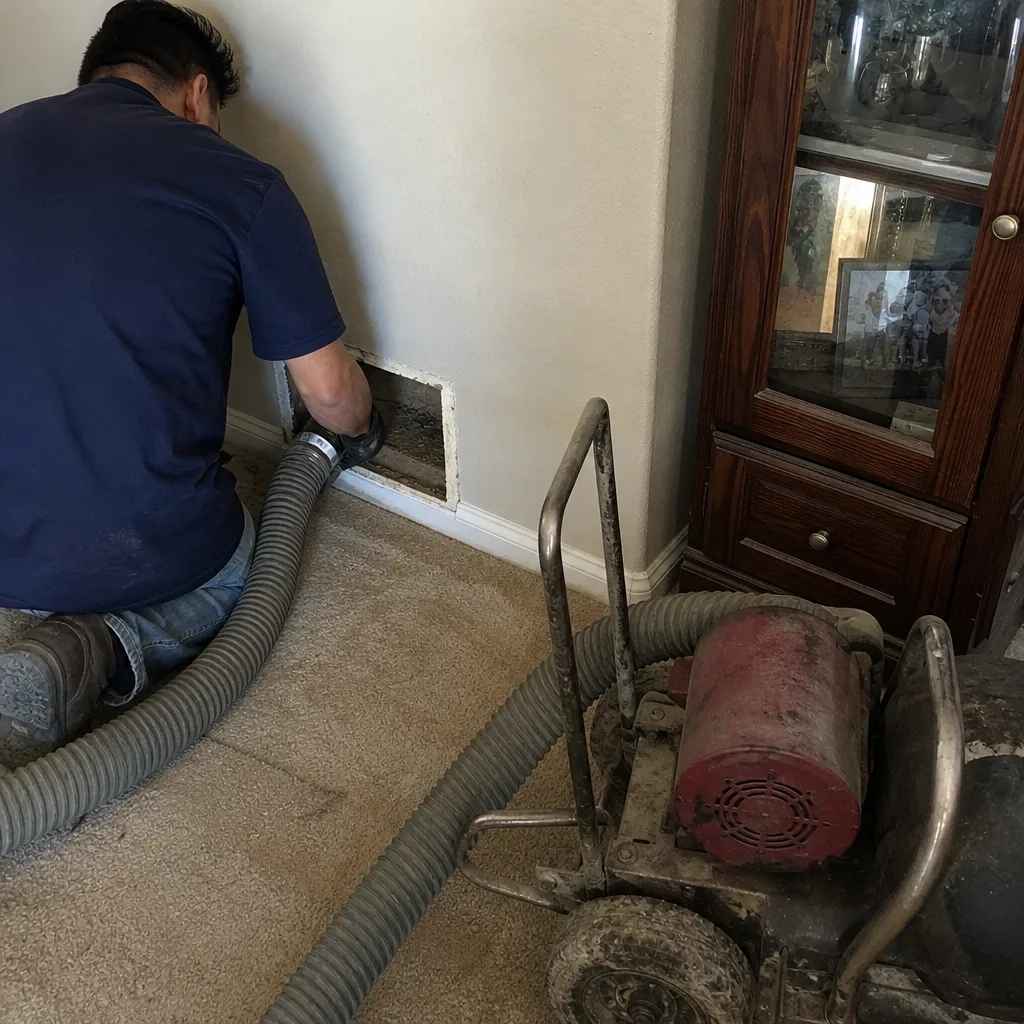 Before
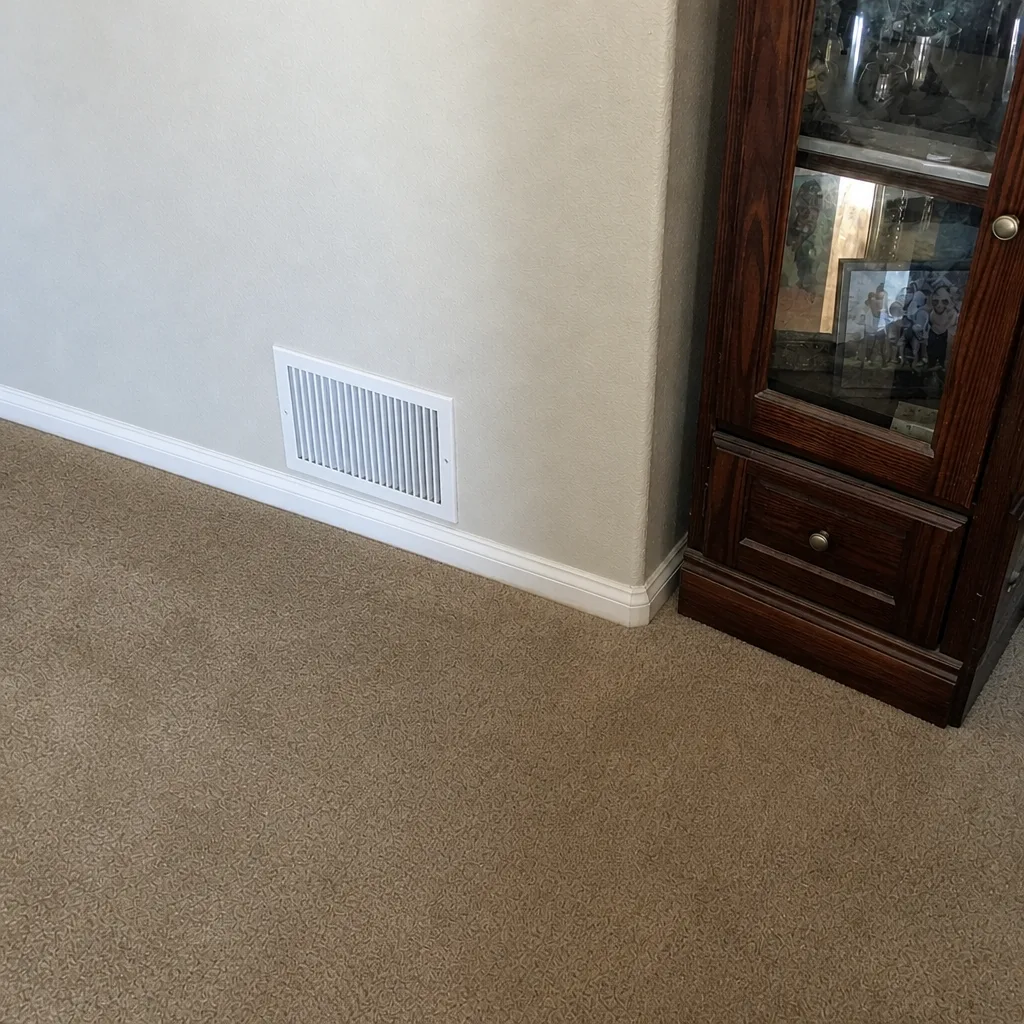 After
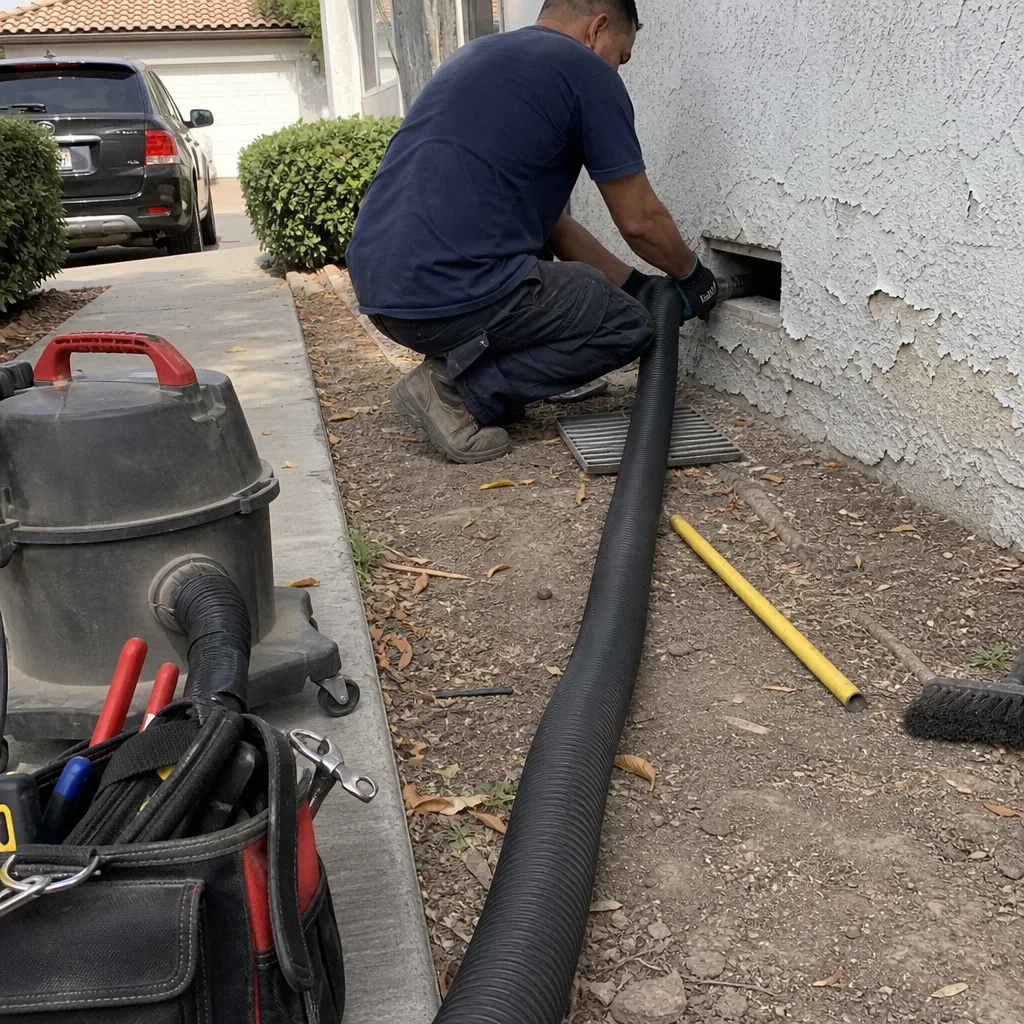 Before
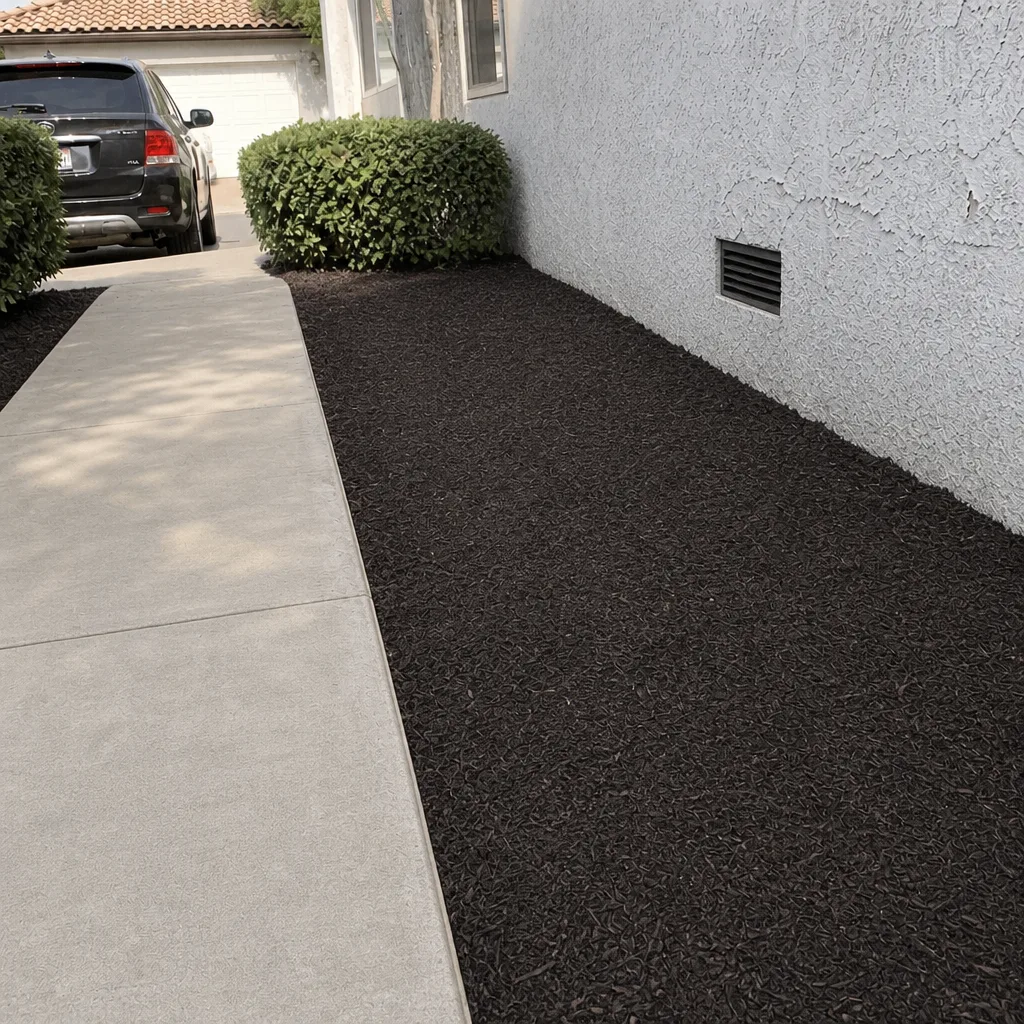 After
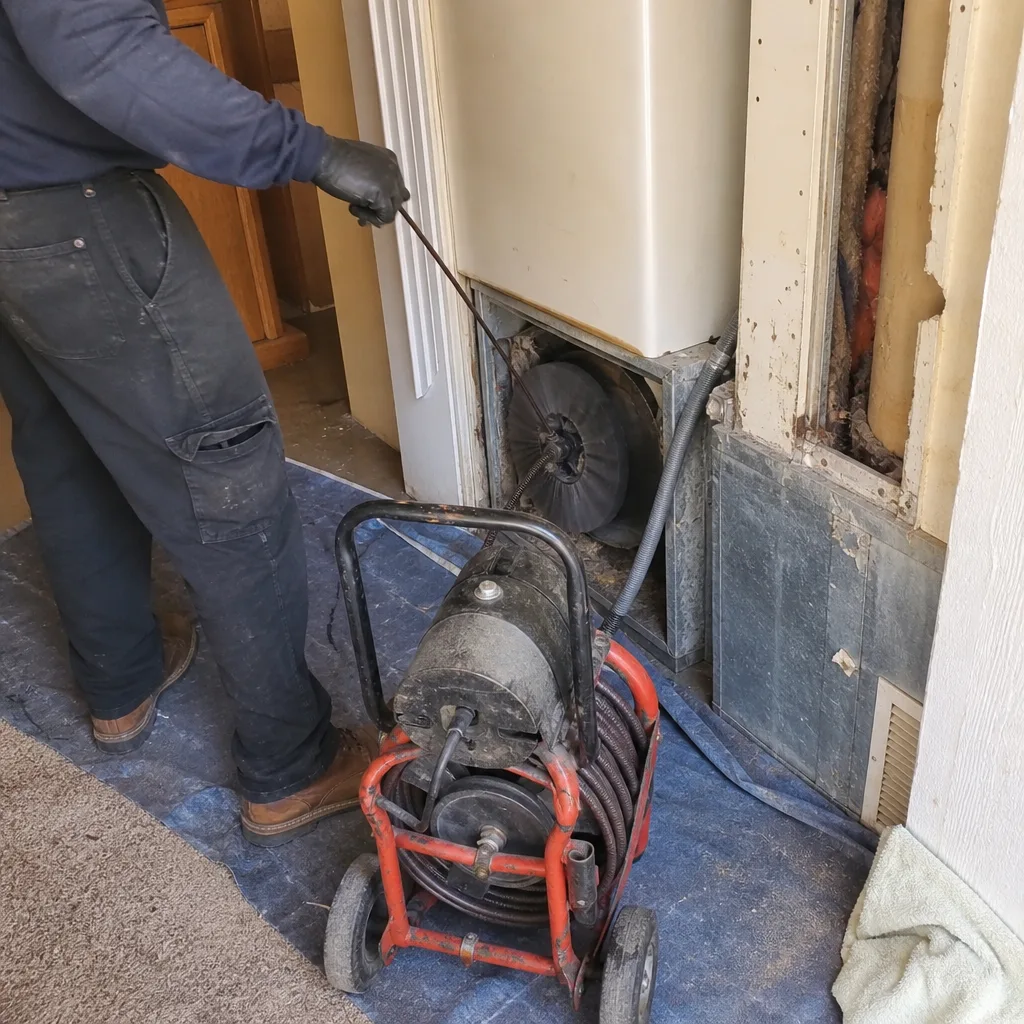 Before
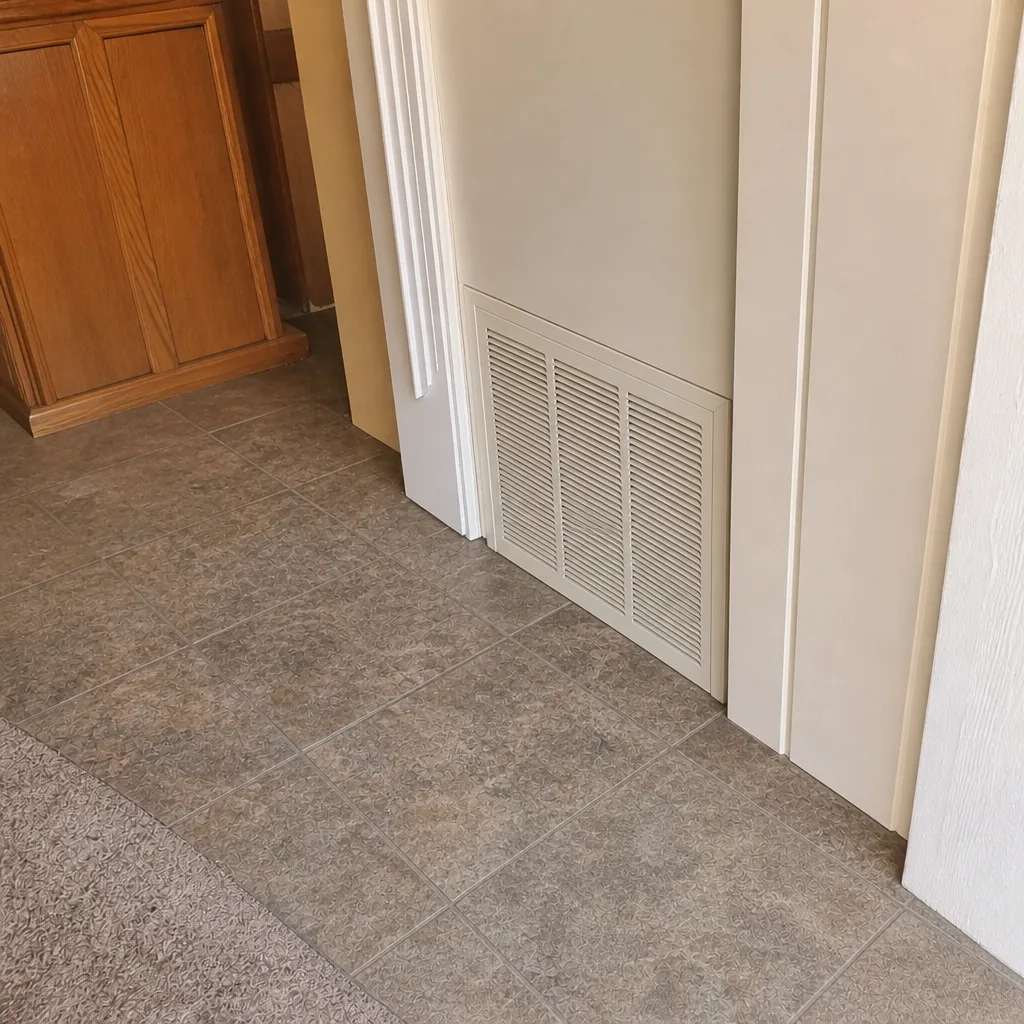 After
When to Call a Professional
Call a professional when you can see ash or soot inside ducts, when a smoke smell lingers indoors long after outside air clears, when you find a disconnection or breach after a quake, when the system is losing cooling during a heat wave and you have already replaced the filter, or when the home has allergy or asthma occupants whose symptoms get worse after a smoke event. If you are not sure whether the contamination is severe enough to need remediation, that uncertainty is itself a reason to have it looked at. A brief inspection answers the question; guessing does not. Morningstar Air Duct Cleaning offers free estimates in Bakersfield. Estimates are free and the price is set per job by the written estimate. Call (866) 942-8025 to schedule.
Frequently Asked Questions
Not always. If the indoor smoke smell clears after the outdoor air clears and a filter change, accelerated filter swaps may be enough. If the smell lingers, if you can see ash or soot inside ducts or on the air handler, or if you find a breach, professional remediation is the safer choice. Call (866) 942-8025 for a free estimate if you are unsure which side you are on.
For most residential systems in Bakersfield, a MERV 13 filter offers good smoke-particle capture for alert days, but only if the system is designed to handle the added resistance. Running a very high MERV filter on a system not built for it can starve airflow. Check the filter door label for the system’s design rating, then stage one step higher for smoke days. Call us for a recommendation specific to your system.
Yes. Attic and crawl space duct runs are often held by straps and hangers that can slip or separate during ground motion, and flex duct can pull away from a collar without visible damage from inside the house. If you notice reduced airflow, a strange smell, or dust streaks near vents after a quake, have the system assessed. Call (866) 942-8025 to schedule an inspection.
There is no single answer that fits every Bakersfield home, but a common schedule is a full cleaning every few years, sooner if you have pets, allergies, recent renovations, or a smoke event. A home with a sealed, well-maintained system can go longer between cleanings than one with leaky returns. If it has been several years since the last cleaning, call for an estimate.
Dryer vent cleaning is a separate service and worth taking seriously as fire-risk reduction, not a discounted add-on. A lint-clogged vent is a genuine fire hazard, and it is the kind of emergency that is entirely preventable. Morningstar treats dryer vent cleaning as its own dedicated service for that reason. Call (866) 942-8025 to schedule it.
Pricing depends on the size of the system, the number of runs, accessibility, and whether duct repair is needed. We work on one flat price per system agreed before work starts, never a per-vent price, and we document with before-and-after photos of your own ducts. Estimates are free and the written estimate sets the final price. Call (866) 942-8025 for an exact quote.
The Bottom Line
A Bakersfield home’s duct system is either an asset or a liability during the events this valley actually produces: wildfire smoke, seismic jolts, and long heat waves. The preparation is not complicated. Clean and seal the system before smoke season, stage the right filter, know where your access points and shutoffs are, and understand the signs that post-event contamination needs professional attention. If you have any of those signs, or if it has been a while since the system was cleaned, get a free estimate before the next event, not after. Preparing in advance is the whole game.
Written by the team at Morningstar Air Duct Cleaning.