
Last updated November 16, 2026
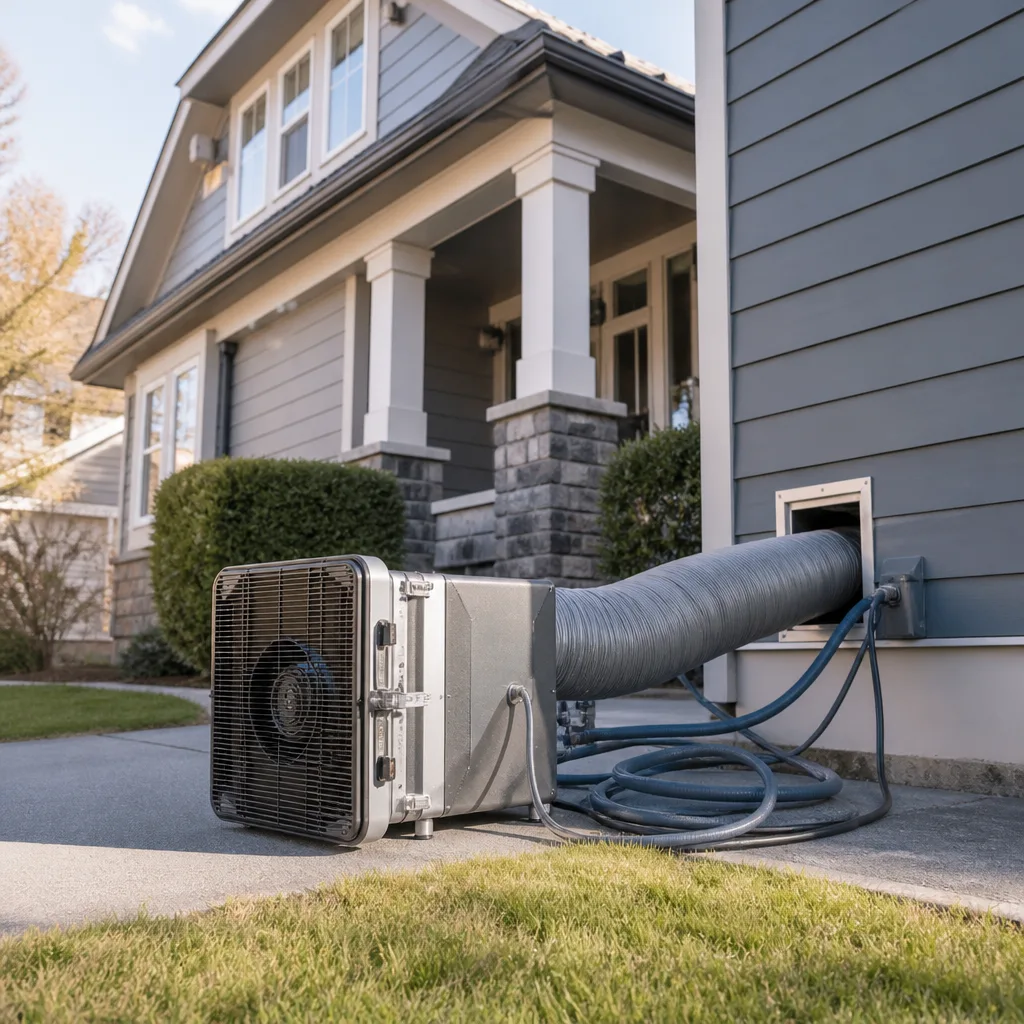 Whole-home duct cleaning
 Dryer vent cleaning
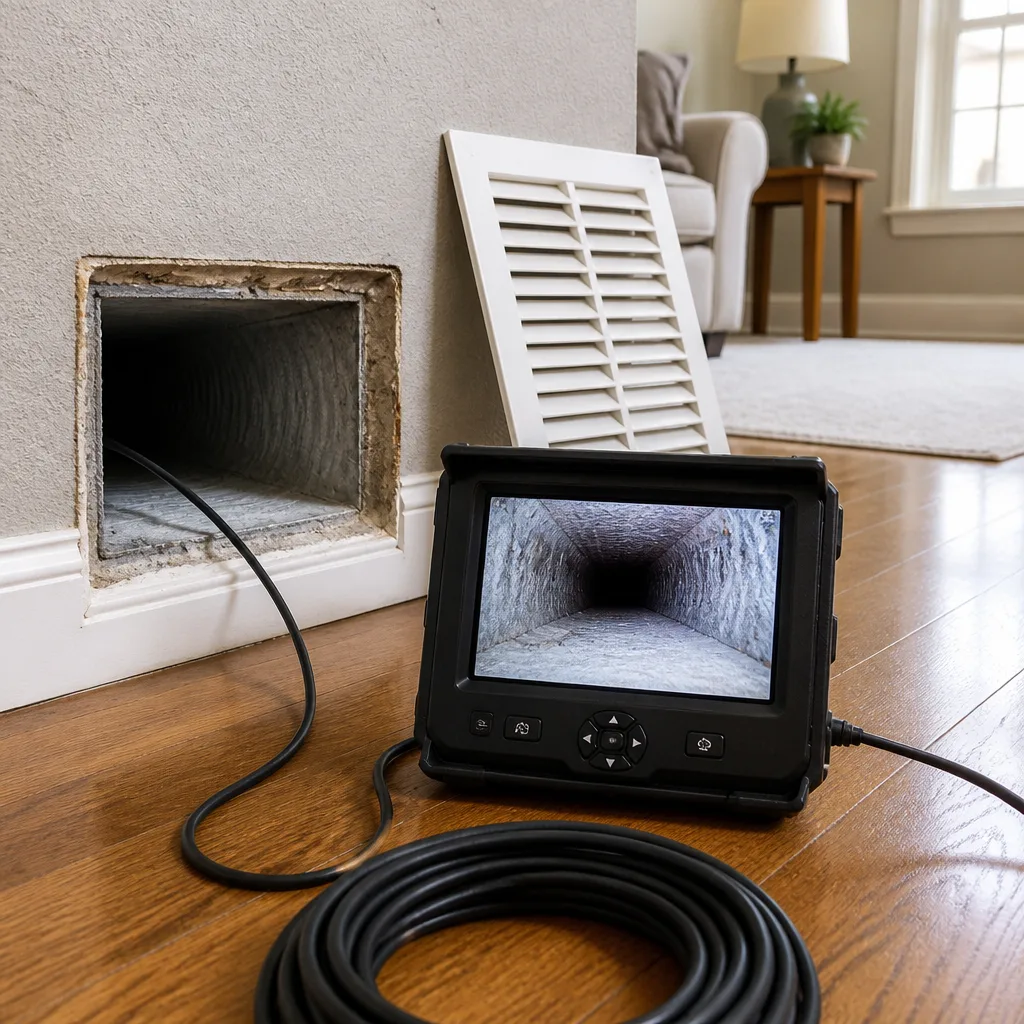 Camera inspection
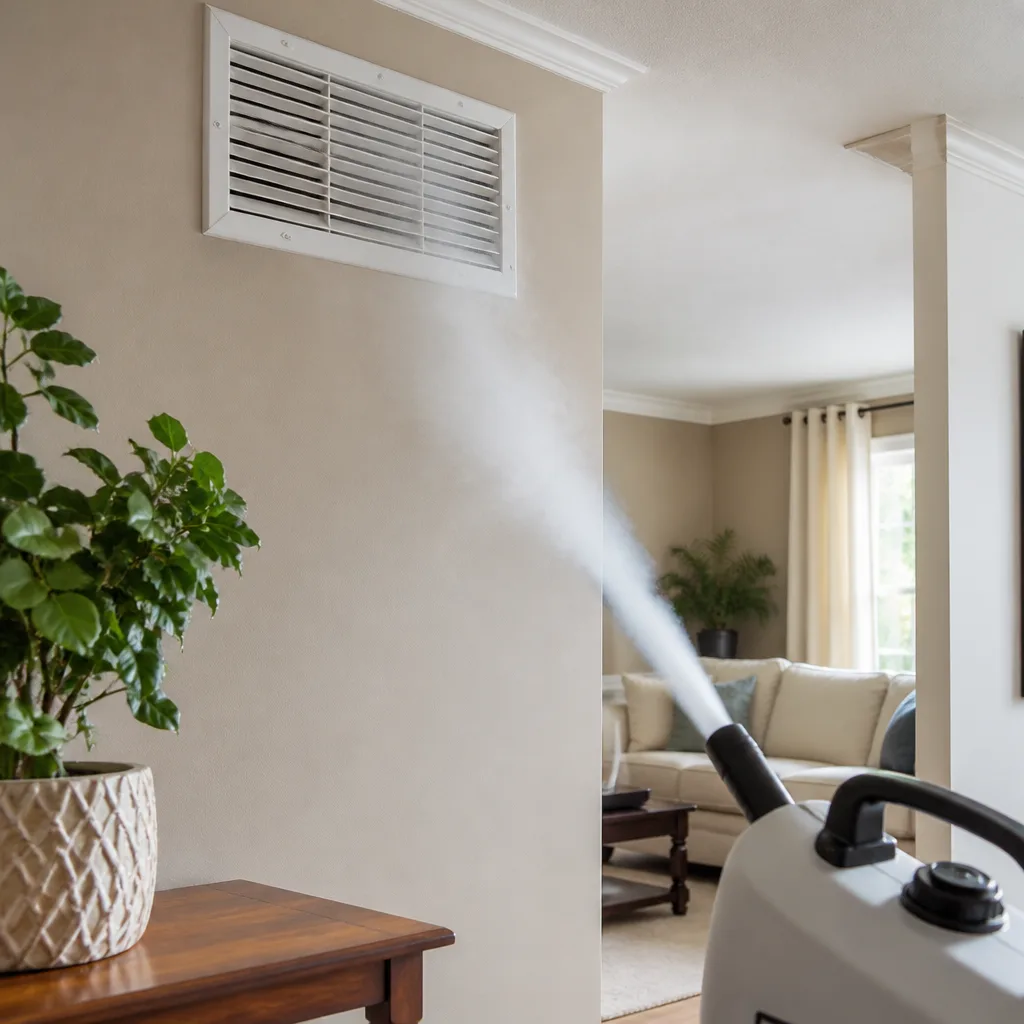 Sanitizing & deodorizing
Whole-system duct and dryer vent check with before-and-after photos - you see exactly what came out of your vents
That "$99 whole-house special" is a bait ad - the real number appears once they are in your hallway, or the "clean" is a shop-vac at the register. We photograph the inside of your ducts before and after instead.
The Complete Guide to Air Duct Cleaning in Bakersfield
Bakersfield ranks among the most polluted air quality cities in the U.S. year after year, yet most duct cleaning guides are written as if every city has the same air. They don’t, and your ducts prove it. The particulate mix that settles inside a Bakersfield home is different from what a generic guide assumes: valley agricultural dust, winter inversion soot, oil field emissions, and the fine grit that rides in on triple-digit summer air. In this guide we’ll map exactly what collects inside a Bakersfield duct system, what a true full-system clean actually covers, which equipment standard separates a real job from a surface vacuum, and how to read before-and-after documentation so you know the work happened.
Quick Answer
A true air duct cleaning in Bakersfield means cleaning the entire system, not just the visible vents: supply lines, return plenums, the coil housing and drain pan, all under negative air pressure with commercial-grade equipment and containment filtration. In a city with Bakersfield’s particulate load, a surface vacuum of the registers removes almost none of what has actually settled in the system. The clean is only as good as the machine pulling the debris out and the documentation proving it left.
Styles & brands we work with
- Whole-home duct cleaning
- Dryer vent cleaning
- Camera inspection
- Sanitizing & deodorizing
Table of Contents
- What Actually Accumulates in Bakersfield Ducts
- What a Full-System Clean Covers
- The Equipment Standard That Separates Real Work From a Vacuum Job
- How Bakersfield Housing Eras Predict Duct Failure Points
- What Before-and-After Documentation Should Look Like
- Moisture, Mold Risk, and the Dryer Vent You Keep Forgetting
- How a Professional Clean Actually Runs, Step by Step
- What Duct Cleaning Costs and Why Quotes Vary So Widely
What Actually Accumulates in Bakersfield Ducts
The particulate load in Bakersfield ducts is not the generic household dust most guides describe. It is a layered mix that reflects where this city sits: the southern San Joaquin Valley, ringed by agriculture and oil fields, with a geography that traps air in winter and bakes it in summer. That combination creates contamination patterns you won’t find in a coastal city or a mountain town. Understanding what settles in your system is the first step to understanding what it takes to remove it.
Here’s what we typically find in Bakersfield homes:
- Agricultural and soil dust. Valley farming, harvest cycles, and prevailing winds carry fine soil and organic particulate across the metro. It’s abrasive, it settles deep in return runs, and it coats blower wheels and coil fins.
- Winter inversion particulate. In the cooler months, Bakersfield’s bowl-like geography can trap a layer of cold air beneath warmer air, holding vehicle and wood-smoke emissions near the ground. That fine particulate works its way into return air and sticks to duct walls.
- Oil field and industrial emissions. The region’s energy industry contributes fine particulate that behaves differently from ordinary house dust, clinging to surfaces rather than passing straight through.
- Summer grit and allergen load. Triple-digit summers keep systems running hard, pulling in dust, pollen, and pet dander constantly while windows stay shut.
- Construction and renovation debris. Drywall dust, sawdust, and insulation fibers from remodels settle in the system and stay there for years.
This layered mix matters because it doesn’t blow out on its own. A filter catches some of it, but the rest settles into the parts of the system your filter never touches: the return plenum, the transition fittings, the coil housing. If you want to understand how this compares with a standard clean, our air duct cleaning page lays out the scope, and this guide explains why that scope matters here.
What a Full-System Clean Covers
Most people picture duct cleaning as a technician vacuuming the registers. That’s a small fraction of the job. A true full-system clean reaches every component air passes through, and in a Bakersfield home with years of valley particulate built up, it’s the only version that meaningfully changes your indoor air quality. Surface-level cleaning removes what you can see and leaves the rest to keep circulating.
Here’s the difference between the two approaches:
- Supply lines. The branches that carry conditioned air to each room. Surface cleaning brushes the visible vent; full-system cleaning runs the length of every supply run under vacuum.
- Return plenums and main trunk lines. Where dust collects most heavily, because return air is unfiltered as it enters. This is where agricultural grit and inversion particulate pile up thickest.
- Coil housing. The compartment around the evaporator coil, which stays damp through cooling season and traps dust against the fins. Neglect here cuts efficiency and feeds microbial growth.
- Drain pan. Standing condensate in the pan, mixed with settled dirt, is a breeding environment. A real clean includes treating and clearing it.
- Register and grille cleaning. Both sides, plus the boots behind them.
- Blower and air handler compartment. The fan that moves your air, which collects dust and loses balance and efficiency when caked.
When your system is pulled under negative pressure and everything above is cleaned in one visit, the change in the air you breathe is real. Rooms feel different. Allergy mornings get easier. That’s the standard we work to: clean, treat, and repair, not a quick pass with a vacuum. Learn more on our Morningstar Air Duct Cleaning page about how the full-system approach fits together.
The Equipment Standard That Separates Real Work From a Vacuum Job
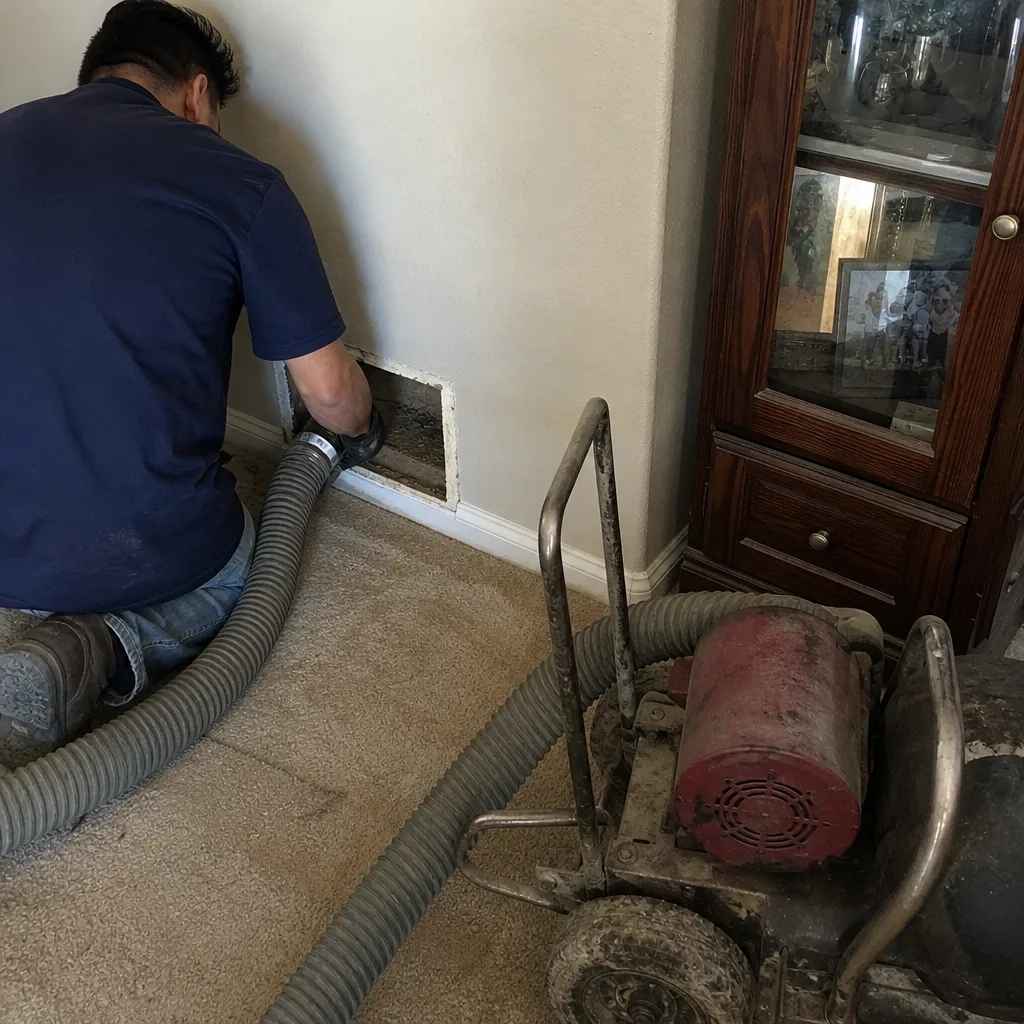
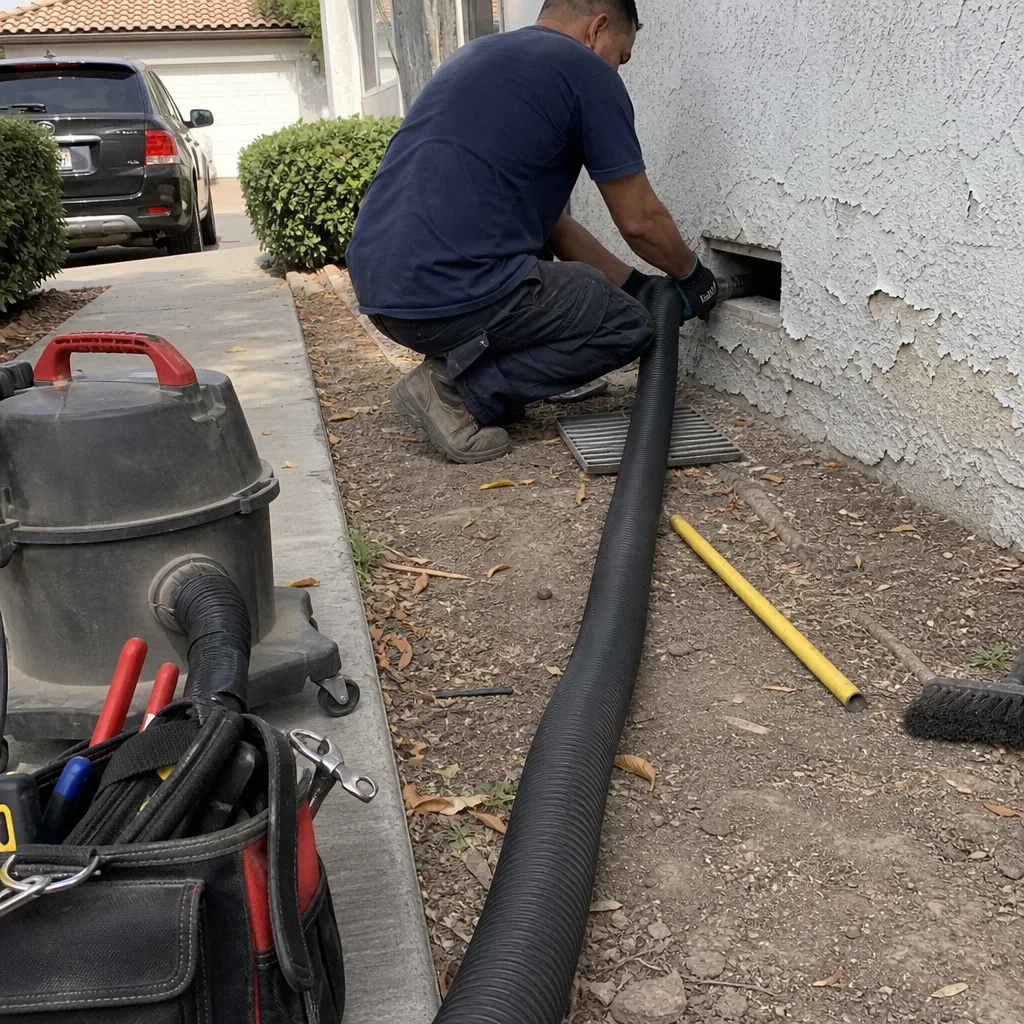
The single biggest difference between a thorough clean and a shallow one is the machine and the containment behind it. Many residential cleaners arrive with shop-vac-style equipment that lacks the airflow and filtration to remove what has settled deep in a system. Professional remediation work uses a different standard entirely: high-volume negative air machines paired with containment filtration that captures fine particulate instead of blowing it back into your home. That’s the standard we hold ourselves to on every Bakersfield job.
Here’s what separates the two:
- Airflow and vacuum volume. Commercial-grade negative air machines from Rotobrush and Nikro pull far more air than consumer equipment, which is what actually lifts compacted valley dust from duct walls rather than just skimming it.
- Containment filtration. We deploy Abatement Technologies air filtration during jobs, a capture standard common in professional remediation work and skipped by most residential duct cleaners. It keeps fine particulate out of the room while the system is opened.
- The right tools per material. Rotary brushes, air whips, and specialized nozzles matched to the contamination type, not one tool forced into every run.
- Treatment, not just removal. Cleaning resets the system; treating it protects the result. Guardsman-level protective treatments are part of our full-service scope.
- Whole-home system understanding. We’re equipped to service Honeywell and Aprilaire indoor air quality systems, so we understand the equipment your ducts connect to rather than treating the ductwork in isolation.
This is why it’s worth asking a contractor what equipment they use before you book. The answer tells you whether you’re getting a full-system clean or a cosmetic one. Our technicians have up to experience, and equipment is the first thing we’d want to know if we were hiring.
How Bakersfield Housing Eras Predict Duct Failure Points
Bakersfield’s housing stock is a map of its growth, and each era of construction carries predictable duct issues. The 1970s brought slab-on-grade construction across much of the city, with ductwork often running under the slab or through tight chases with little room for inspection. The 1990s tract home boom added thousands of homes with flexible duct runs and common shortcuts in sealing and support. Knowing the era of your home tells you where to look first.
What we watch for by era:
- 1970s slab and chase construction. Ducts run through concrete and tight framing, which makes breaches hard to see and easy to miss. Poor access means these systems often go decades without inspection, and by the time a problem surfaces, contamination has spread through the whole run.
- 1990s tract homes. Fast construction cycles produced stretches of flex duct that sag, pinch, or pull loose at the boots. Sagging runs collect dust at the low points and reduce airflow to the farthest rooms, which shows up as uneven cooling in a Bakersfield summer.
- Any era with remodel history. Drywall dust and debris from additions and kitchen updates settle into the system and stay there unless they’re cleaned out.
- Return air paths. Homes of all eras often use panned framing cavities as return chases. Leaky framing means return air is drawing from walls and attic space, pulling in dust and insulation fibers before it ever reaches the filter.
This is exactly why we offer air duct repair as a dedicated service. Locating and sealing breaches is a different job from cleaning, and it’s one most duct cleaners don’t do. Cleaning a system with leaks is like mopping a floor with the window open. We find the breach, fix it, then clean. If your ducts were installed in one of these eras and have never been inspected, that’s the starting point.
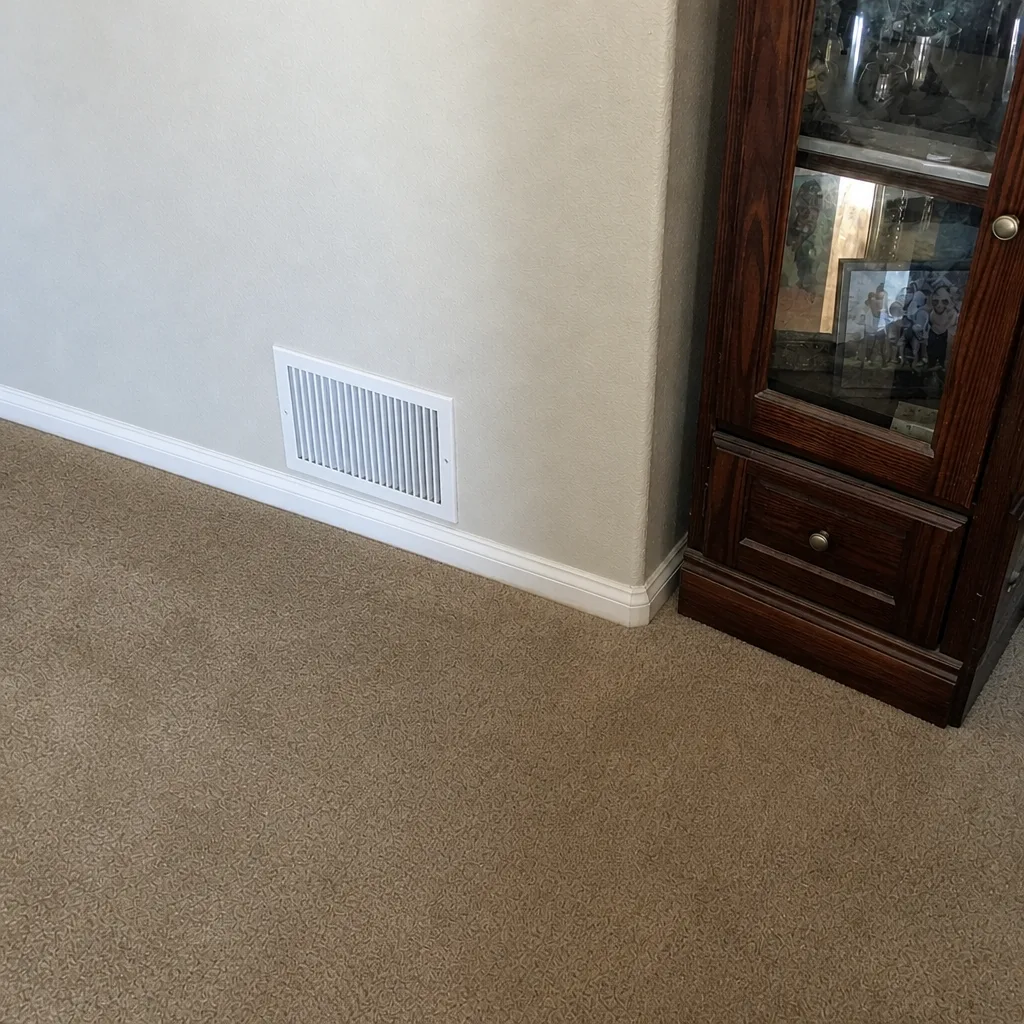
What Before-and-After Documentation Should Look Like
If you can’t see what happened inside your ducts, how do you know the work was done? That question is the heart of the industry’s reputation problem, and the answer is documentation. Reputable full-system cleaners provide before-and-after photos of your own system, not stock images or a generic brochure. In our experience, the willingness to document everything is the clearest sign of a contractor who expects to be held to a standard.
Good documentation should include:
- Photos of each major component before cleaning. Return plenum, coil housing, drain pan, and representative supply runs, taken with your home’s specific system clearly visible.
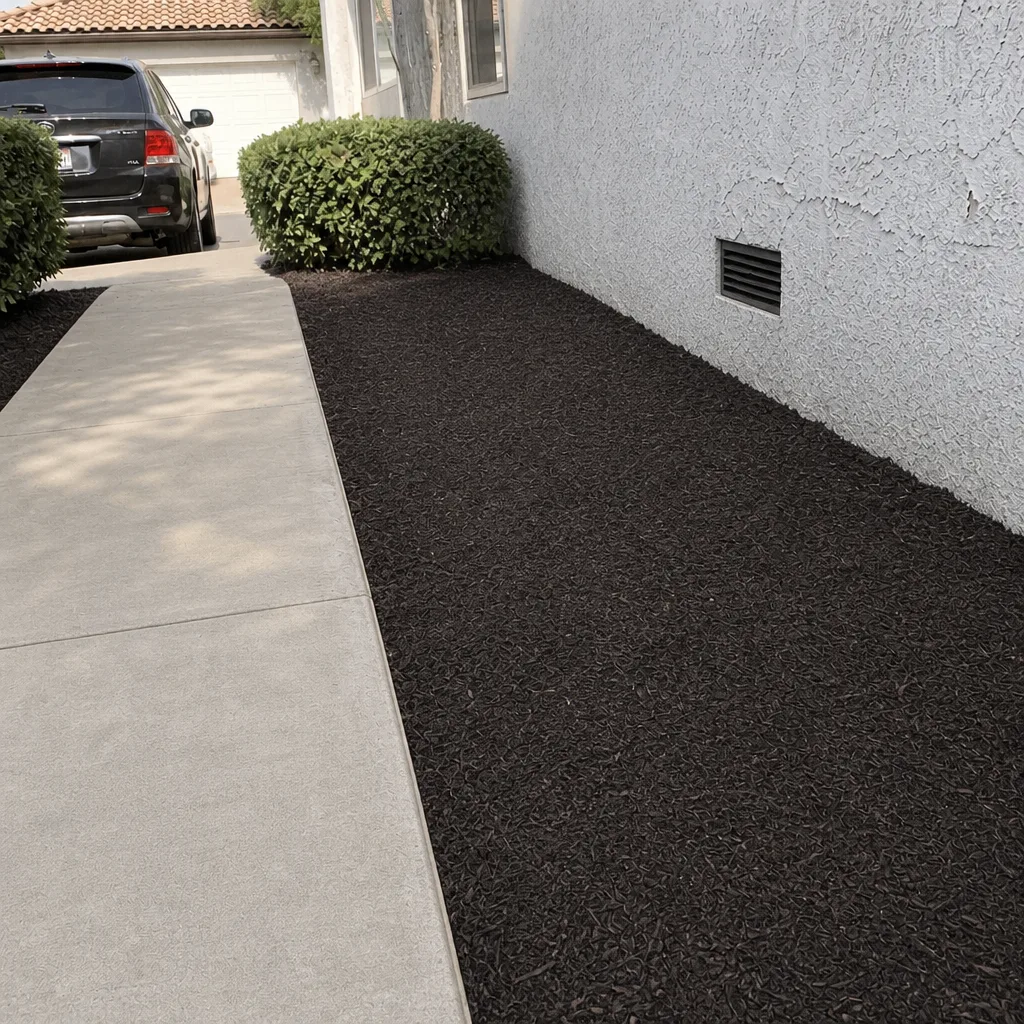
- Matching after photos from the same angles, so you can compare directly. A coil housing that’s clear of debris, a drain pan that’s dry and clean, a plenum wall that’s wiped down.
- A written summary of what was covered and any breaches found. If the technician found a leak during inspection, you should know about it in writing, with a recommendation to repair.
- Clear labeling. Photos labeled by location so you’re not guessing what you’re looking at.
Documentation matters most in a city with Bakersfield’s particulate load, because the before photos show exactly how much agricultural dust and inversion soot was actually sitting in your system. If a contractor won’t provide photos of your own ducts, ask why. It’s a reasonable question, and you deserve a straight answer.
Moisture, Mold Risk, and the Dryer Vent You Keep Forgetting
Two parts of your system carry risks beyond ordinary dust buildup: the wet side of your HVAC, and the dryer vent. In Bakersfield’s hot cooling season, condensation forms on the evaporator coil and drips into the drain pan, and when that pan carries settled dirt, the combination supports microbial growth. Meanwhile the dryer vent, neglected in most homes, is a fire hazard. Both deserve attention every time a technician is in your home.
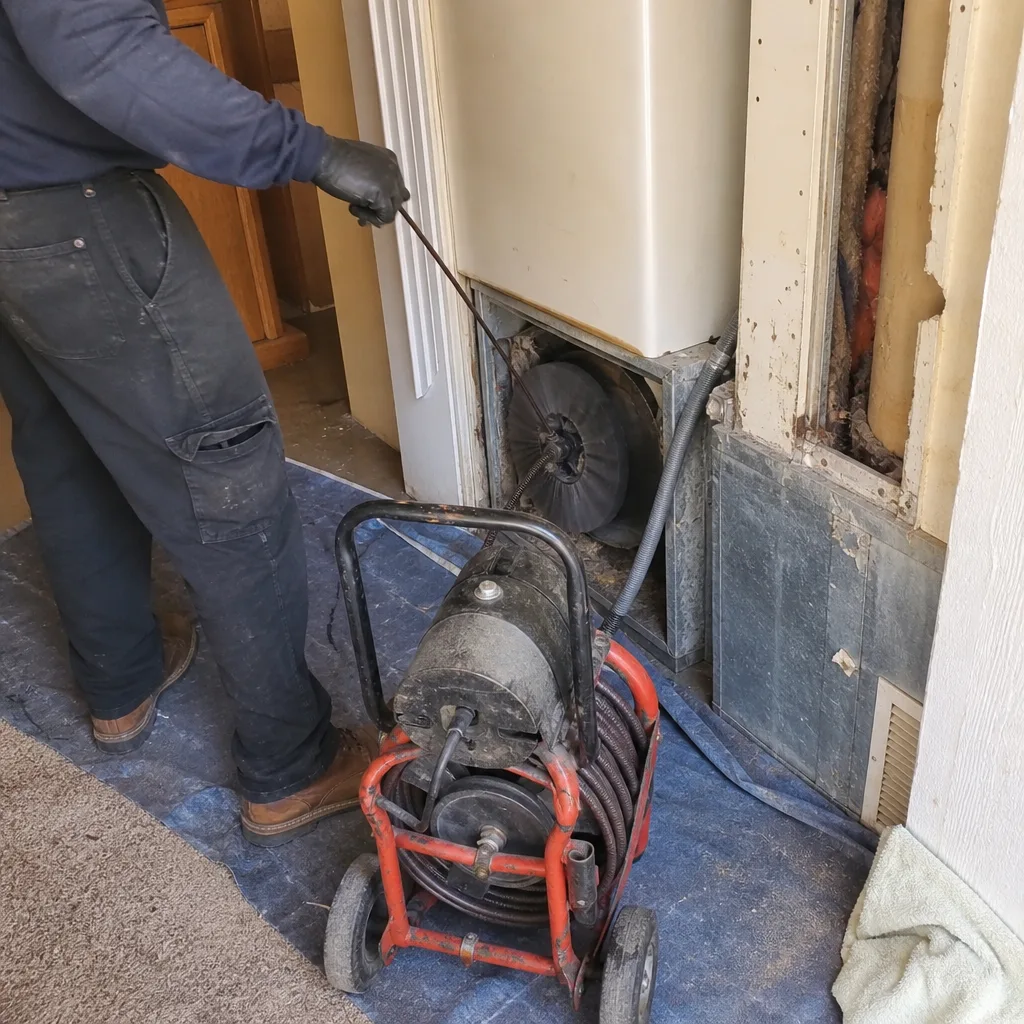
On the HVAC side, the warning signs of moisture problems include a musty smell when the system first kicks on, visible moisture or staining near the air handler, and water standing in the drain pan. A proper clean includes inspecting and clearing the coil housing and drain pan, not just the ducts. On the dryer side, lint accumulation in the vent line restricts airflow and traps heat, which is the fire risk no one should ignore. That’s why we treat dryer vent cleaning as its own serious service rather than an add-on.
If you’ve noticed a musty odor or a slow-drying dryer, both are worth a professional look. Call (866) 942-8025. We answer 24/7. Fast dispatch from 7am to 7pm, Sunday through Friday.
How a Professional Clean Actually Runs, Step by Step
Knowing what a professional clean involves helps you recognize a thorough job when you see one, and spot a rushed or surface-level visit. Every component of a full-system clean in Bakersfield follows a sequence, and each step depends on the one before it. Here’s the flow we follow.
- Inspection and assessment. Identify the system layout, note construction era and any visible breaches, and photograph the starting condition of key components.
- Containment setup. Connect high-volume negative air equipment and set up Abatement Technologies filtration so fine particulate is captured, not recirculated into your home.
- Deep cleaning of each component. Working from the farthest supply runs back toward the air handler, use rotary brushes and air whips to lift compacted dust from duct walls, plenum surfaces, the coil housing, and the drain pan.
- Register and grille cleaning. Both sides, plus the boots.
- Blower and air handler. Clean and inspect the fan and compartment.
- Treatment. Apply Guardsman-level protective treatments to help inhibit future buildup.
- Breach inspection and repair recommendation. Note any leaks or disconnections found and recommend air duct repair where needed.
- Documentation. Photograph each component after cleaning and provide the before-and-after record, plus a summary of work done.
The sequence matters. Pulling a system under negative pressure before cleaning means debris leaves the house rather than settling in it. Treating after cleaning means the protective layer goes on a clean surface. And the documentation at the end is your proof the whole sequence happened.
What Duct Cleaning Costs and Why Quotes Vary So Widely
Duct cleaning quotes in Bakersfield vary widely, and the range usually reflects scope rather than quality alone. A low number often means a surface vacuum of the visible registers, while a thorough quote reflects a full-system clean with commercial equipment and containment filtration. The right question isn’t “who’s cheapest,” it’s “what exactly does this price cover?” We set one flat price per system, agreed before work starts, with no per-vent pricing.
What drives the quote:
- Scope of components cleaned. Ducts only versus the full system including coil housing, drain pan, and blower.
- Number of systems and runs. A single system with a straightforward layout differs from a multi-system home.
- Access. Slab and chase construction from the 1970s can be harder to reach than a 1990s tract home with accessible flex runs.
- Condition found. Heavy accumulation, moisture issues, or breaches that need repair add work.
- Equipment and containment. Commercial-grade machines and Abatement filtration cost more to run than shop vacuums, and the result is different.
- Documentation. Photographed before-and-after evidence is part of the price, not an extra.
We give a written estimate that sets the final price, so there’s no surprise invoice after the technician is in your home. If a quote seems unusually low, ask what’s actually included and what equipment will be used. It’s the one question that reveals the most. For a full-system quote in Bakersfield, call (866) 942-8025. We answer 24/7. Fast dispatch from 7am to 7pm, Sunday through Friday.
Common Mistakes to Avoid
- Booking a surface vacuum and calling it a clean. Vacuuming the visible registers removes almost nothing from the return plenum or coil housing. In a Bakersfield home with years of valley dust, that’s a wasted visit.
- Not asking about equipment. A cleaner with consumer-grade equipment can’t remove what’s settled deep in the system. Ask what machines they’ll use and whether containment filtration is part of the job.
- Ignoring breaches before cleaning. Cleaning a leaky system lets contamination return through the gaps. A full-system clean includes inspecting for breaches and recommending repair.
- Skipping the coil housing and drain pan. These are the moisture-prone parts of the system in Bakersfield’s long cooling season, and they need cleaning and treatment, not neglect.
- Forgetting the dryer vent. Lint in the vent line is a fire hazard and a common oversight. Treat it as a separate service, not an afterthought.
- Accepting a job with no documentation. If the contractor can’t show you before-and-after photos of your own system, you have no way to verify the work.
- Choosing on price alone. The lowest quote is usually the narrowest scope. Ask what’s included and compare like for like.
See the difference
 Before
 After
 Before
 After
 Before
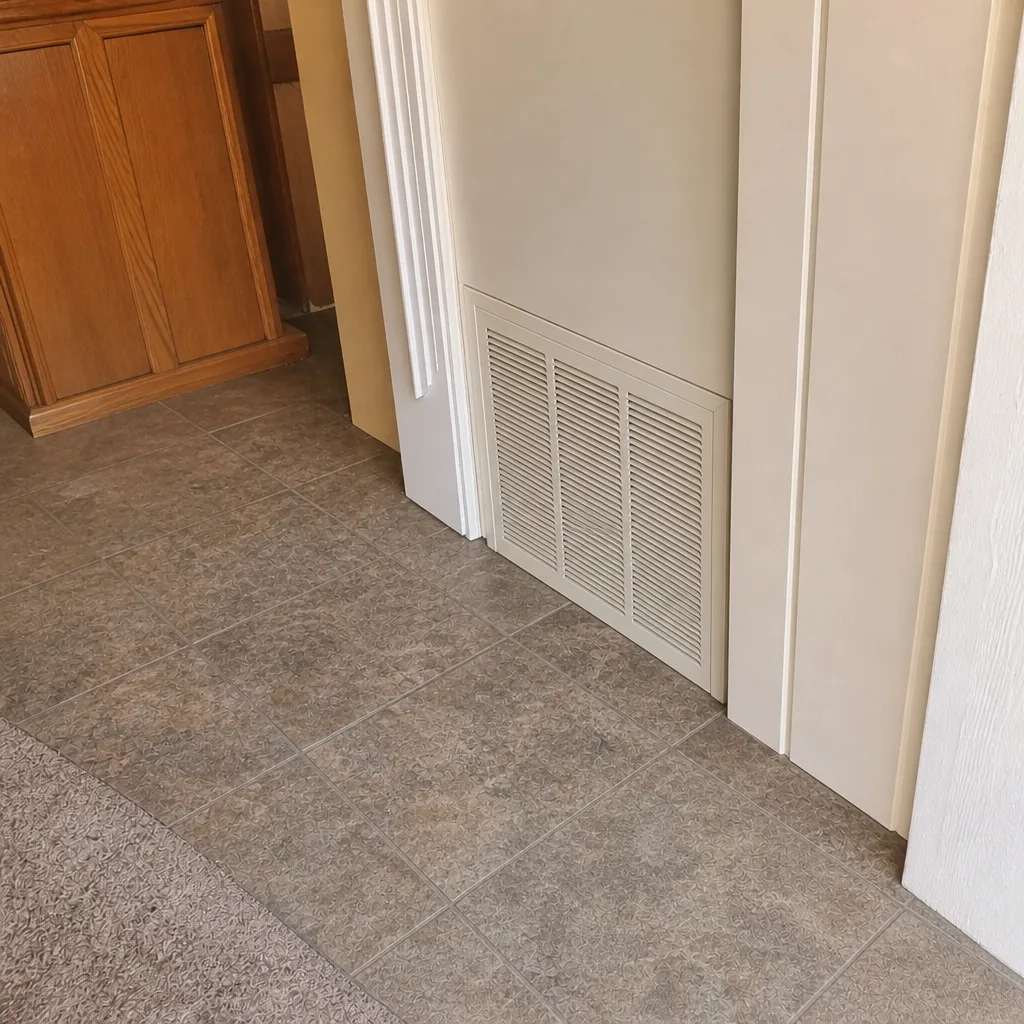 After
When to Call a Professional
Some issues are worth a professional look right away: a musty smell when the system first runs, visible dust blowing from registers, stains or moisture near the air handler, uneven cooling in Bakersfield’s summer heat, or a dryer that takes longer to dry clothes. If your home was built in a slab or tract era and the ducts have never been inspected, that’s another reason. And if you’re moving into a home in the area and want a clean baseline, a full-system clean is the place to start. Morningstar Air Duct Cleaning offers free estimates in Bakersfield, and we’ll show you exactly what’s in your system before recommending anything. Call (866) 942-8025. We answer 24/7. Fast dispatch from 7am to 7pm, Sunday through Friday.
Frequently Asked Questions
The price depends on scope, number of systems, and conditions found, and it’s set per job by a written estimate after we assess your system. A surface vacuum of the visible registers costs less but removes far less than a full-system clean including the coil housing and drain pan. Call (866) 942-8025 for an exact quote – estimates are free.
Cheaper quotes almost always mean a narrower scope: cleaning the visible registers with consumer-grade equipment instead of pulling the whole system under negative pressure with commercial machines and containment filtration. Ask what equipment will be used and which components will be cleaned. If a quote seems unusually low, that’s the reason. Call (866) 942-8025 to compare scope before you book.
Before-and-after photos of your own system, taken from matching angles and labeled by location. Reputable full-system cleaners provide them as a matter of course; if a contractor won’t, that’s a red flag. We document every component we clean. Call (866) 942-8025 to ask what documentation is included.
Most homes here benefit from a full-system clean roughly every few years, but Bakersfield’s particulate load, pets, allergies, and remodel history all affect the timing. If you notice musty smells, visible dust from registers, or uneven airflow, it’s worth an inspection sooner. Call (866) 942-8025 for an honest assessment of your system.
No. The dryer vent is a separate system, and it carries fire risk if lint builds up. We treat it as its own dedicated service rather than an add-on. If your dryer runs hot or takes longer to dry, that’s a reason to have the vent checked. Call (866) 942-8025 to book a dryer vent clean.
A full-system clean pulls the entire duct network under negative pressure and cleans supply lines, return plenums, the coil housing, the drain pan, and the blower with commercial-grade equipment and containment filtration. A surface clean touches the visible registers only. In Bakersfield, with the dust and particulate that settle here, the difference is substantial. Call (866) 942-8025 and we’ll walk you through what your home needs.
The Bottom Line
Bakersfield’s air is different from anywhere else in the country, and your duct system carries the proof: valley agricultural dust, inversion particulate, and summer grit layered through the returns and coil housing. A clean that empties the registers won’t touch what’s settled deep in the system. A full-system clean with commercial equipment, containment filtration, treatment, and before-and-after documentation will. That’s the standard we work to: clean, treat, and repair, with one flat price per system and photos of your own ducts. If your ducts have never been inspected, there’s no better time to start.
For more about our services in Bakersfield, or to book a full-system clean or air duct repair, call (866) 942-8025 for a free estimate. We answer 24/7. Fast dispatch from 7am to 7pm, Sunday through Friday.
Written by the team at Morningstar Air Duct Cleaning.